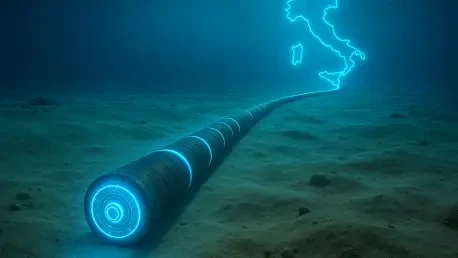

The Elmed project marks a groundbreaking milestone in energy infrastructure by linking the European grid directly to the renewable potential of North Africa. This ambitious undersea electrical corridor, connecting Tunisia with Sicily, serves as more than just a physical bridge; it represents a strategic pivot for Italy as it seeks to redefine its role within the European Union’s energy framework. By facilitating the exchange of high-voltage direct current power across the seabed, the initiative addresses the pressing need for grid stability while tapping into the abundant solar and wind resources of the Saharan region. As traditional reliance on fossil fuels wanes, the deployment of such advanced subsea systems provides a blueprint for how Mediterranean nations can leverage geographic proximity to achieve carbon neutrality goals through shared infrastructure investments. The shifting tectonic plates of global energy geopolitics have positioned Italy as a critical theater for the next generation of power transmission across the continent.
Engineering the Deep: The Technical Backbone of Interconnection
The technical execution of these underwater conduits relies on sophisticated High Voltage Direct Current technology, which minimizes energy loss over the long distances separating the North African coast from the Italian peninsula. Unlike traditional alternating current systems, HVDC allows for the bidirectional flow of electricity with unprecedented efficiency, making it the preferred choice for deep-sea installations. Central to this strategy is the Tyrrhenian Link, a massive project connecting Sicily with Sardinia and the Italian mainland. By integrating these disparate regions into a unified energy loop, Terna, the Italian grid operator, is effectively creating a submarine highway that can transport surplus renewable energy to industrial centers in the north. This complex web of cables, resting at depths exceeding several thousand meters, requires specialized vessel deployment and armored protection to withstand the harsh marine environment while ensuring continuous operational reliability.
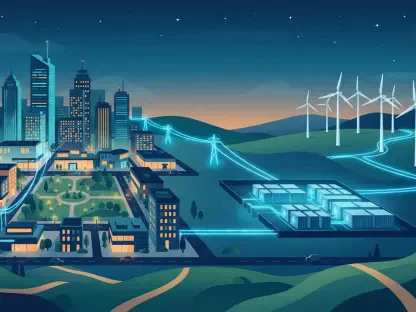
Integrating high-capacity subsea links necessitates a parallel evolution of land-based transmission stations and converter plants. These facilities act as the interface between the submarine cables and the national grid, converting direct current into the alternating current used by households and factories. The current expansion phase, spanning from 2026 to 2028, focuses on enhancing the resilience of the southern Italian nodes, which often experience bottlenecks due to the high volume of wind and solar power generated in Puglia and Sicily. By reinforcing these critical points, the Italian government aims to eliminate regional price disparities and reduce the risk of localized outages. This infrastructure does not merely serve as a passive conduit but functions as an active management tool, allowing grid operators to balance supply and demand in real-time across vast distances. Consequently, the modernization of these terrestrial assets is just as vital as the laying of the cables themselves.
Strategic Diplomacy: Shaping the Future of Regional Cooperation
The implementation of the Mattei Plan serves as the overarching political framework for these energy initiatives, emphasizing a non-predatory partnership with African nations. This approach focuses on mutual development, where Italy provides the technical expertise and capital for infrastructure while North African countries benefit from the industrialization of their renewable energy sectors. From 2026 to 2030, this collaborative model is expected to scale significantly, leading to the creation of thousands of specialized jobs in both regions. By investing in the production capacity of partners like Tunisia and Algeria, Italy is ensuring a reliable and sustainable supply of green hydrogen and electricity for years to come. This forward-thinking strategy acknowledges that the success of the European energy transition is inextricably linked to the economic stability of its southern neighbors. As such, the submarine cables represent the physical manifestation of a new era of cooperation, where energy flows act as the glue for a regional economy.
Stakeholders recognized that the successful integration of these submarine systems demonstrated how cross-continental energy collaboration was both technically feasible and economically essential. The next phase of development required standardized regulatory frameworks to facilitate seamless energy trading across maritime borders. Policymakers and industry leaders prioritized the harmonization of grid codes and the implementation of transparent pricing mechanisms to encourage further private sector participation. This proactive stance ensured that the infrastructure could adapt to evolving technological trends, such as the emergence of offshore floating wind farms and large-scale battery storage. By treating the Mediterranean as a single, interconnected energy market, Italy and its partners moved beyond fragmented national interests toward a collective vision of sustainability. The lessons learned from the Elmed and Tyrrhenian projects provided a clear roadmap for other regions looking to bridge the gap between energy-rich and energy-hungry territories.