
Donald Gainsborough has spent decades navigating the intricate corridors of policy and legislation, establishing himself as a premier authority on the systems that keep the public safe. As the leader of Government Curated, he brings a sharp, analytical lens to the structural challenges facing our nation’s emergency response networks. In this conversation, he explores the critical transition from outdated landline-era technology to modern IP-based systems, the legislative hurdles of reclassifying 911 professionals, and the profound human impact of ensuring our most essential lifeline is equipped for the 21st century. We discuss the necessity of a $15 billion infrastructure investment and how real-time data integration can transform the way dispatchers manage the chaos of active crises.
Many emergency centers still rely on landline-era technology that cannot receive video, photos, or text messages. How does this digital gap impact real-time response during active shootings or wildfires, and what specific technical steps are required to transition these legacy systems to modern IP-based networks?
The current digital gap creates a dangerous blind spot where dispatchers are forced to manage high-stakes crises like active shootings or fast-moving wildfires using tools designed 50 years ago. When a caller is hiding and unable to speak, the inability to receive a text or a silent video feed can be the difference between life and death. To fix this, we must replace these voice-only, legacy systems with secure, IP-based networks that can handle the massive data flow of the smartphone era. This technical transition involves moving away from physical copper wires and toward a “Next Generation 911” infrastructure that allows for a seamless exchange of data. By implementing these digital-first protocols, we ensure that the 650,000 people calling for help every day are no longer limited by the technological constraints of a bygone era.
During major disasters like hurricanes, emergency calls often get trapped within jurisdictional boundaries when local centers fail. Can you explain the mechanics of rerouting calls across state lines through a Next Generation 911 network and describe how these saved seconds translate into specific life-saving outcomes?
The tragedy of legacy systems is that when a local call center is flooded or loses power, the incoming calls often have nowhere to go, effectively trapping the victim’s plea for help. With a Next Generation 911 network, we transition to a cloud-compatible framework where calls and data can be rerouted instantly to a functioning center in a different county or even a different state. We saw this in action during Hurricane Helene in North Carolina, where a dedicated NG911-capable network allowed calls to flow seamlessly to available dispatchers, preventing a total communications blackout. Those saved seconds translate into first responders receiving accurate GPS coordinates and situational descriptions while the disaster is still unfolding. It replaces the frantic silence of a “busy signal” with a trained voice that can provide life-saving instructions to a person trapped by rising floodwaters.
A nationwide infrastructure upgrade for emergency services is estimated to cost roughly $15 billion. What are the long-term economic trade-offs of delaying this federal investment, and what metrics should be used to ensure that funding reaches both high-traffic urban centers and under-resourced rural communities?
Delaying the $15 billion federal investment is a classic case of being “penny wise and pound foolish,” as the cost of maintaining crumbling legacy systems while trying to patch in modern tech is ultimately more expensive. This financial burden currently falls on local agencies, creating a fragmented landscape where your zip code determines the quality of emergency care you receive. To ensure equity, we must use metrics that prioritize the “interoperability” of a region—measuring how effectively a rural center can communicate with a major urban hub during a multi-jurisdictional wildfire or storm. We need to focus on closing the divide so that a rural dispatcher has the same ability to receive a video of a car accident as someone in a major metropolis. This $15 billion is a modest sum compared to other national infrastructure projects, yet it provides a foundational security that supports every single citizen across the country.
Dispatchers are often classified as administrative support rather than protective service professionals. How does this specific label affect recruitment and access to public-safety benefits, and what practical changes would occur if they were reclassified alongside police officers, firefighters, and EMTs?
Labeling 911 dispatchers as “office and administrative support” is a profound clerical error that ignores the visceral, life-and-death nature of their daily work. This misclassification creates a massive barrier to recruitment because it denies these professionals access to the same specialized mental health programs and retirement benefits available to the field responders they direct. If we pass the 911 SAVES Act and reclassify them as “protective service professionals,” we finally acknowledge that they are the true “first first responders” who manage the initial moments of every heart attack and shooting. This change would lead to standardized training protocols and better retention rates, ensuring that when you call 911, the person answering has the institutional support needed to stay in the profession long-term. It moves the job from a “clerical role” to a respected career path, reflecting the reality of the stress and complexity they endure under the headset.
Modern networks allow for the automatic transmission of medical data and scene photos to emergency dispatchers. How should agencies manage this influx of complex data without overwhelming staff, and what new training protocols are necessary to help telecommunicators process visual information effectively under high stress?
The shift from hearing a crisis to seeing it is a seismic change that requires a total overhaul of how we train our 911 workforce. Agencies must implement smart filtering systems that can organize incoming photos and medical data so that the dispatcher isn’t buried in noise, but rather provided with the most relevant “digital clues.” We need new psychological training protocols that help telecommunicators process the visual trauma of a crime scene or a medical emergency, as seeing a tragedy is fundamentally different from hearing it described. This involves teaching “visual triage”—the ability to quickly scan a video or photo for weapons, hazards, or patient vitals—and integrating those insights into the instructions they give to first responders. By balancing advanced technology with robust human support, we ensure that dispatchers can use this data to save lives without sacrificing their own mental well-being.
What is your forecast for 911?
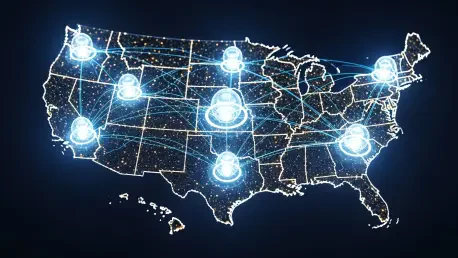
I foresee a future where the 911 system functions as a fully integrated, high-speed intelligence hub where “where is your emergency” is answered with instant data before the caller even speaks. Within the next decade, if we secure the necessary federal funding, we will see a nationwide network where a text, a video, and a patient’s heart rate from their smartwatch are all routed to a dispatcher in real-time. We will move away from the “siloed” approach of local jurisdictions and toward a truly national safety net that is resilient against both natural disasters and cyberattacks. Most importantly, the professionals at the center of this network will finally be treated with the dignity and professional status they have earned through decades of service. The technology is already here; once the policy catches up, the 911 system will become an unbreakable lifeline that is as smart and capable as the devices we carry in our pockets.