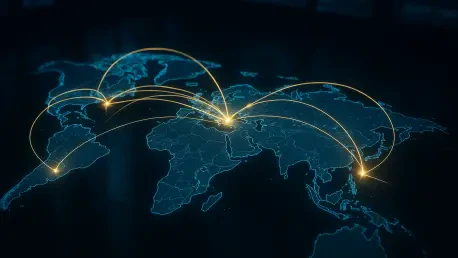

The calculated handshake between Vladimir Putin and Xi Jinping represents far more than a simple diplomatic formality; it signals a fundamental restructuring of the international order that has remained relatively static for decades. As these two leaders align their strategic interests, the traditional dominance of the West faces a challenge that is both systematic and ideological. This shift is not merely about trade disputes but about who gets to write the rules of global engagement for the coming century.
This subject is significant because it marks the end of the post-Cold War unipolar moment. The collaboration between Moscow and Beijing is effectively creating a gravitational pull that draws in other regional powers, creating a block that is increasingly immune to Western pressure. By presenting an alternative to the established financial and security architectures, they are redefining what it means to be a global superpower in the modern age.
From Cold War Rivals to “No Limits” Partners: The Historical Context
Long gone are the days of the Sino-Soviet split that once defined the Cold War era. Today, a shared sense of grievance against Western-led institutions has forged a “no limits” partnership that many observers once thought impossible. This evolution has transformed a cautious relationship into a deep, multi-layered alliance that serves as the bedrock for a new Eastern-centric geopolitical reality.
The current alignment grew out of a mutual realization that neither nation could achieve its long-term goals in isolation. While historical suspicions remain beneath the surface, the tactical advantages of cooperation have proven too great to ignore. This partnership has now entered a phase where the survival and success of one leader are intrinsically linked to the stability of the other.
Strategic Pillars of the Russia-China Alliance
The Economic Pivot to the East
From 2026 to 2028, the acceleration of energy infrastructure toward Asian markets will likely redefine global consumption patterns. Russia has redirected its vast natural resources away from European corridors, finding a voracious and reliable consumer in China. This pivot has rendered Western sanctions less effective than initially anticipated, as new trade routes and pipelines solidify the interdependence of the two economies.
The SCO as a Counterweight to the G7
The Shanghai Cooperation Organisation has matured into a formidable counterweight to the G7, offering a different model of regional integration. By including diverse nations like India, Pakistan, and Iran, the SCO represents a massive demographic and economic bloc that prioritizes state sovereignty and non-interference. This platform allows these nations to coordinate on security and economic policy without adhering to Western political benchmarks.
Military Coordination and “Solid” Diplomatic Ties
Military coordination has evolved from symbolic gestures to sophisticated joint exercises that signal a high degree of tactical interoperability. High-level summits are no longer just for the cameras; they are venues for synchronized diplomatic messaging that challenges Western narratives on global flashpoints. The “solid” nature of these ties provides a predictable anchor in an increasingly volatile international landscape.
What Sets This Partnership Apart: A Shared Revisionist Vision
What truly distinguishes this partnership is a shared revisionist vision that seeks to dismantle the universality of Western democratic values. Both leaders advocate for a world where different civilizational models coexist, effectively shielding their domestic policies from outside scrutiny. This ideological alignment provides a cohesive framework that transcends mere economic convenience, making the alliance more durable than a standard trade agreement.
This vision is built on the belief that the Western model is no longer the only viable path to prosperity and security. By championing a “multipolar” world, they offer a narrative that resonates with many nations in the Global South that feel marginalized by the current system. This approach creates a sense of shared destiny that is difficult for Western diplomacy to disrupt with traditional carrots and sticks.
The Current State of Affairs: Insights from the Bishkek Summit
At the recent Bishkek summit, the resilience of this bond was on full display as leaders gathered to discuss regional stability. Despite the ongoing pressures of international conflicts, the dialogue remained focused on consolidating economic independence and security cooperation. The presence of Iran and the involvement of dialogue partners like Turkey and Saudi Arabia highlighted the expanding reach of this alternative power center.
The summit emphasized that the partnership is moving beyond bilateral trade into the realm of regional security management. Leaders discussed the implementation of new financial clearing systems that bypass traditional banking networks, further insulating their economies from external interference. These developments suggest that the alliance is not just a reaction to Western policy but a proactive effort to build a parallel international system.
Reflection and Broader Impacts
Reflection
The strengths of this alliance lie in its pragmatic flexibility and the personal rapport between the two heads of state. However, the partnership is not without its inherent tensions, particularly regarding the growing power imbalance between a dominant China and a resource-dependent Russia. Navigating these internal dynamics while maintaining a united front against external pressure remains the central challenge for both capitals as they move forward.
Broader Impact
The broader impact of this consolidation is felt in every corner of global diplomacy, forcing middle powers to choose between competing spheres of influence. This reality has encouraged a new form of non-alignment where countries seek to leverage both sides for their own national interests. As the influence of the SCO grows, the traditional levers of Western economic and military power may find less traction in the Global South.
Navigating the Future of Global Geopolitics
The strategic maneuvers observed during this era redefined how sovereignty and international cooperation were understood on a global scale. Policymakers who moved toward diversifying their diplomatic portfolios and invested in regional projects outside traditional Western channels secured the most resilience. It was clear that the era of a single dominant superpower ended, replaced by a complex web of regional alliances that demanded a new brand of diplomatic agility from all participants. The transition toward a multipolar system necessitated a total reassessment of global supply chains and security pacts. It became essential for nations to focus on cross-cultural literacy and decentralized financial systems to maintain influence in a fragmented world. Those who prioritized building bridges between Eastern and Western blocs managed to thrive despite the shifting geopolitical sands.