
The legislative landscape of the United States in the current year has transformed into a complex and highly polarized patchwork of conflicting statutes where the legality of essential medical care depends entirely on state borders. This midyear environment is characterized by a strategic divergence between jurisdictions, as lawmakers across the country engage in a systematic tug-of-war over the fundamental definitions of reproductive autonomy and bodily integrity. While some regions have doubled down on total prohibitions that now extend into the digital realm, others have solidified their status as sanctuary zones through the implementation of unprecedented legal protections for both providers and patients. This period marks a definitive shift from the initial chaos of the post-Roe era toward a more entrenched and technologically sophisticated battleground, where the focus has moved beyond simple clinical access to the broader concepts of personhood, jurisdictional authority, and the right to privacy in an increasingly monitored society.
The Evolving Legal Status of Patients and Medical Procedures
The Escalation of Criminalization and Personhood Legislation
The first half of 2026 has witnessed an aggressive and unprecedented shift in restrictive legislative strategies, moving away from the historical focus on medical providers and toward the direct criminalization of patients. Legislatures in several states have introduced and advanced bills that explicitly remove previous exemptions for pregnant individuals, effectively opening the door for the prosecution of those seeking reproductive care. This evolution in legal strategy represents a stark departure from the traditional rhetoric that framed the patient as a second victim; instead, new proposals in some jurisdictions have gone as far as to classify the procurement of an abortion as a form of homicide. These measures are designed to create a culture of surveillance and fear, signaling a new era of state-level policy where the biological processes of the individual are subject to the same level of criminal scrutiny as violent felonies.
Parallel to this direct criminalization is the rapid proliferation of “personhood” language within state legal codes, which seeks to grant full legal rights to fetuses and embryos from the moment of conception. Currently, eighteen jurisdictions have successfully integrated varying degrees of this language into their statutes, creating a broad and often ambiguous legal framework that complicates everything from standard obstetric care to assisted reproductive technologies. The implications of these personhood laws are profound, as they potentially transform common medical occurrences, such as miscarriages or complications arising from in vitro fertilization, into potential crime scenes that require state investigation. While many of these bills face ongoing challenges in the courts, their presence in state law reflects a concerted effort to establish a legal environment where the state can intervene in the most private aspects of reproductive health under the guise of protecting fetal life.
The Political Separation of Abortion and Miscarriage Care
In an attempt to address the growing public backlash over medical delays and life-threatening complications caused by vague prohibitions, some lawmakers are now attempting to create a statutory distinction between elective abortion and the management of pregnancy loss. States such as South Dakota have spearheaded this movement by codifying miscarriage care as a separate medical entity, hoping to project a stance of medical safety while maintaining their overall restrictive frameworks. This legislative maneuver is largely seen as a response to high-profile cases where patients were denied emergency care until they were on the brink of sepsis, yet the language remains controversial. By framing miscarriage management as fundamentally different from abortion, these states aim to mitigate the political fallout from rigid bans without actually expanding the circumstances under which clinical intervention is legally permitted.
Medical experts and leading health organizations argue that this legislative separation is a distinction of political convenience rather than one of clinical reality. From a medical perspective, the management of a spontaneous miscarriage and the performance of an elective abortion often require the exact same medications, such as misoprostol and mifepristone, and the same surgical procedures, like dilation and curettage. By forcing clinicians to navigate a legal landscape that categorizes these identical procedures differently based on the intent or the state of the pregnancy, lawmakers have introduced a layer of administrative and legal risk that continues to delay critical care. This artificial division often leaves doctors in a precarious position, where they must weigh the immediate physical needs of their patients against the potential for criminal prosecution if a miscarriage management procedure is misinterpreted as a violation of state abortion prohibitions.
Jurisdictional Warfare and the Role of Telehealth
Protecting Remote Access via State Shield Laws
Telehealth has emerged as the most critical cornerstone of reproductive health access in 2026, functioning as a vital lifeline for patients residing in restrictive states who are seeking care from clinicians located in protected regions. The rise of comprehensive “shield laws”—a combination of statutes and executive orders—has provided a necessary legal buffer for medical professionals who provide remote consultations and medication prescriptions across state lines. These laws are specifically designed to prevent state officials from cooperating with out-of-state investigations, effectively blocking the extradition of providers and protecting them from the loss of their medical licenses or the seizure of their personal assets. By creating these legal safe harbors, protective states have facilitated a significant increase in remote healthcare provisions, ensuring that geography is no longer an absolute barrier to receiving essential medical services in a digital age.
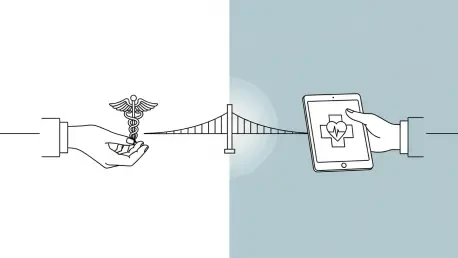
The implementation of these shield laws has successfully created a digital bridge between fragmented health systems, allowing for a level of continuity that was previously unthinkable. In the current year, clinicians in states like Massachusetts and Washington have utilized these protections to serve thousands of patients who would otherwise have been forced to travel hundreds of miles or seek unsafe alternatives. This shift toward a telehealth-centric model has not only increased the efficiency of care but has also decentralized the provision of medication abortion, making it much harder for restrictive jurisdictions to monitor or stop the flow of medical information and prescriptions. However, this success has also intensified the legal friction between states, as the conflict moves from physical clinics to the digital infrastructure of modern medicine, challenging the traditional limits of state sovereignty and the reach of local law enforcement in a connected nation.
The Legal Combat Over Medication Access
Conversely, restrictive jurisdictions have pivoted their attention toward attacking the distribution networks of medication abortion by specifically targeting the sale, mailing, and possession of abortion pills. Dozens of bills introduced during the 2026 legislative sessions have sought to criminalize these transactions, with some states taking the unprecedented step of integrating these medications into their controlled substances codes alongside high-risk opioids. This tactic is intentionally designed to provide a firm legal basis for the prosecution of out-of-state providers and the various support organizations that facilitate access through mail-order services. By categorizing these medications as dangerous substances, states are attempting to use existing drug trafficking laws to bypass the protections offered by shield laws, leading to an escalation in the legal warfare over how healthcare is delivered through the postal service.
This legislative focus on medication distribution has led to a high-stakes game of jurisdictional maneuvering, as states attempt to assert control over a supply chain that is inherently national and international in scope. Lawmakers in several Southern and Midwestern states have proposed the use of advanced digital monitoring to track the shipment of these pills, while also seeking to hold shipping companies and digital platforms liable for facilitating their delivery. This aggressive stance is a direct response to the effectiveness of telehealth shield laws, representing a desperate attempt to regain control over reproductive outcomes within their borders. As these restrictive measures clash with federal regulations and the interstate commerce clause, the resulting legal battles are expected to reshape the boundaries of state power and the degree to which a local government can interfere with the private delivery of federally approved medications.
Constitutional Protections and the Expansion of Preventative Care
The Power of State Constitutions and Ballot Initiatives
State constitutions have proven to be the most significant legal barrier to total abortion bans in 2026, with citizen-led ballot initiatives becoming the dominant trend for codifying reproductive rights directly into law. Throughout this year, courts in states like Arizona and Pennsylvania have utilized these constitutional frameworks and expanded equal rights protections to strike down restrictive mandates and telehealth prohibitions that were previously passed by state legislatures. These judicial victories are often the result of multi-year organizing efforts that have successfully shifted the legal conversation from statutory interpretation to fundamental rights. By amending state constitutions, voters have been able to bypass hostile legislatures, creating a more stable and permanent foundation for reproductive autonomy that is significantly harder to overturn through traditional political cycles.
Despite these significant judicial and electoral victories, the environment remains highly volatile due to intense and creative legislative pushback aimed at undermining the will of the voters. In several instances where constitutional amendments were passed, lawmakers have attempted to introduce new administrative hurdles, such as onerous clinic licensing requirements or restrictive zoning laws, that effectively serve as “backdoor” bans. This ongoing struggle between judicial interpretation and legislative maneuvering has created a state of constant legal flux, where the practical availability of care can change from week to week based on the latest court injunction or legislative session. The tension between voter-mandated rights and legislative attempts to circumvent those rights has highlighted a deep-seated conflict over the nature of democracy and the extent to which a government must adhere to the clear preferences of its constituents regarding bodily autonomy.
Establishing Statutory Rights to Contraceptive Services
Recognizing the inherent instability of abortion access in the current climate, many states have taken proactive measures to protect and expand access to contraception as a primary defense. This year has seen the introduction of over a hundred bills intended to establish a statutory right to birth control, serving as a preemptive strike against the rising tide of misinformation and the potential for future judicial restrictions on preventative care. These legislative strategies are not merely symbolic; they often include the removal of significant administrative barriers that have historically hindered access for marginalized populations. By codifying these rights, states are attempting to insulate contraceptive access from the broader legal battles surrounding abortion, ensuring that the full spectrum of reproductive healthcare remains available even in a shifting political landscape.
One of the most effective methods adopted by states to broaden contraceptive access involves allowing pharmacists to dispense hormonal birth control without a traditional doctor’s prescription. This policy shift has been instrumental in reaching low-income, rural, and high-risk populations who may lack the time or resources to navigate a formal medical appointment. Furthermore, many of the 2026 bills include mandates for insurance coverage that eliminate cost-sharing for a wide range of contraceptive methods, including long-acting reversible options like IUDs. These comprehensive efforts represent a holistic approach to reproductive health that prioritizes prevention and patient autonomy, seeking to reduce the need for more intensive interventions by making the tools for family planning as accessible and affordable as possible for every resident regardless of their socioeconomic status.
Implementing New Standards for Healthcare Autonomy
The midyear developments of 2026 highlighted the necessity for a more integrated and legally resilient approach to reproductive healthcare across the United States. Policy experts and medical leaders recognized that relying solely on judicial intervention was no longer a viable strategy in a landscape defined by rapid legislative shifts and jurisdictional conflicts. To address these challenges, several state governments moved to establish dedicated task forces focused on the digital privacy of health data, ensuring that patients and providers could engage in telehealth consultations without the risk of their private information being weaponized by out-of-state prosecutors. This focus on data sovereignty became a critical component of the defensive strategy, providing a technical layer of protection that complemented the existing legal shield laws.
Furthermore, the medical community took decisive steps to standardize miscarriage and abortion protocols under the umbrella of “emergency pregnancy care” to minimize the legal ambiguity that previously hindered clinical decision-making. By creating clear, evidence-based guidelines that emphasized the necessity of immediate intervention in cases of pregnancy complications, professional organizations helped to insulate doctors from the threat of prosecution for practicing standard medicine. This proactive standardization was a direct response to the confusing and often contradictory statutes passed by restrictive legislatures, offering a unified front that prioritized patient safety over political maneuvering. These efforts were reinforced by local municipalities that declared themselves reproductive healthcare sanctuaries, pledging to prioritize the protection of medical rights within their local jurisdictions regardless of broader state-level prohibitions.
Looking forward, the focus for advocates and policymakers shifted toward building a more robust infrastructure for interstate cooperation and clinical support. The success of ballot initiatives demonstrated a clear mandate for reproductive freedom, but the practical implementation of those rights required ongoing vigilance and technical expertise. Stakeholders identified the need for expanded legal literacy programs to help patients navigate the complex patchwork of state laws and understand their rights when crossing state lines or using mail-order services. By investing in these educational resources and strengthening the legal and technological protections for healthcare delivery, states sought to create a more equitable system where the quality and legality of medical care were no longer dictated by the arbitrary lines of a map. These actions established a blueprint for maintaining reproductive autonomy in an era of unprecedented legal challenges.