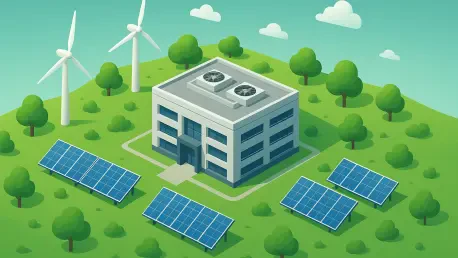

The massive physical footprint of modern data centers is forcing a profound rethink of Michigan’s industrial identity as the state attempts to balance technological ambition with the finite natural resources of the Great Lakes. The Great Lakes State is currently at a legislative crossroads as a surging demand for digital infrastructure clashes with growing environmental concerns. As Michigan positions itself in 2026 to become a premier destination for the global technology sector, a coalition of environmental advocates and community organizers is calling for a strategic pause. This push for a moratorium on data center expansion is not merely a rejection of growth, but a demand for comprehensive regulatory oversight. The following analysis explores the tension between economic ambition and resource preservation, examining how Michigan’s legislative decisions today will shape the state’s ecological and financial landscape for years to come.
The Evolution: From Manufacturing to Digital Infrastructure
Historically, Michigan’s economy was synonymous with heavy manufacturing and the automotive industry. However, as the global economy continues its transition toward digitalization, state leaders have sought to diversify by attracting high-tech investments. This shift gained momentum with the introduction of aggressive tax incentives designed to lure “Big Tech” entities. While these efforts were initially seen as a way to modernize the state’s industrial profile, the sheer scale of modern data centers was not fully anticipated. Understanding this transition is vital, as it highlights a fundamental shift from human-centric manufacturing to resource-centric digital processing, necessitating a new playbook for state regulators.
Resource Demands: The Reality of High-Density Computing
The Intensifying Strain on Michigan’s Power Grid
One of the most critical challenges posed by data center expansion is the immense “baseload” energy demand these facilities require. Unlike traditional factories that may operate in shifts, data centers run at high capacity 24 hours a day, acting as massive energy sinks. This constant demand threatens to destabilize Michigan’s existing electrical grid. There is a growing concern that the rapid influx of these facilities will force utility companies to prolong the use of fossil-fuel power plants, directly undermining Michigan’s statutory mandate to achieve 100% clean energy by 2040. Furthermore, without specific “Grid Impact Fees,” the financial burden of upgrading infrastructure to accommodate these tech giants may unfairly shift to residential ratepayers.
Water Stewardship: The Industrial Cooling Crisis
In a state defined by its relationship with the Great Lakes, the massive water consumption of data centers has become a primary flashpoint. Many large-scale facilities utilize evaporative cooling systems that can consume millions of gallons of water daily to prevent server racks from overheating. This process often results in significant water loss through evaporation rather than returning the resource to the local watershed. Environmentalists argue that Michigan’s water wealth should not be exploited for industrial cooling without strict mandates for closed-loop systems. The debate highlights a significant risk of “water mining” that could impact local water tables and the broader Great Lakes ecosystem if left unregulated.
Economic Realities: Analyzing the Benefit of Tax Exemptions
A point of contention in the legislative halls involves the actual economic return on investment for the state. Proponents of expansion point to Senate Bills 237 and 238, which seek to expand sales and use tax exemptions for data center equipment. However, critics highlight a stark “job-to-footprint” disparity. While a data center may occupy hundreds of acres and consume vast amounts of energy, it often employs only a fraction of the workforce required by a traditional manufacturing plant of the same size. This discrepancy raises questions about whether the long-term environmental costs and the loss of tax revenue are justified by the limited permanent employment opportunities these facilities provide to the local community.
Strategic Evolution: The Future of Responsible Development
The future of data centers in Michigan will likely be defined by a shift from growth at any cost to responsible development. Emerging trends suggest that if the moratorium succeeds in its goals, the industry will see the introduction of mandatory Power Usage Effectiveness (PUE) ratings and strict carbon neutrality commitments. We are likely to see a move toward “green” data centers that are required to fund new renewable energy projects rather than drawing from the existing grid. Additionally, as the AI revolution accelerates, the demand for high-density computing will only increase, potentially leading to innovative cooling technologies that do not rely so heavily on the state’s freshwater resources.
Policy Frameworks: Implementing Sustainable Oversight
To balance growth with conservation, Michigan must implement a multi-faceted regulatory framework. First, policymakers should consider “Grid Impact Fees” to ensure that developers fund the necessary electrical upgrades. Second, the state should mandate the use of closed-loop cooling technologies to protect the Great Lakes watershed. For businesses and investors, the move toward sustainability was no longer optional; adopting “green” infrastructure early mitigated the risk of future regulatory crackdowns. Communities also demanded transparency regarding the environmental footprint of proposed projects, ensuring that any new development provided a genuine net benefit to the public.
Final Assessment: Balancing Progress and Integrity
The movement for a moratorium in Michigan represented a pivotal moment in the governance of the digital age. It served as a reminder that the virtual world had a very real, physical presence that required concrete, steel, energy, and water. As Michigan weighed the prestige of Big Tech investment against the preservation of its natural heritage, the outcome provided a blueprint for other states facing similar dilemmas. Ultimately, the analysis concluded that the next steps involved ensuring the expansion of the digital economy did not come at the expense of the physical environment, securing a sustainable future for both the tech industry and the citizens of Michigan.