
The geopolitical landscape surrounding the Strait of Hormuz and the Bab al-Mandeb has shifted dramatically as these vital trade arteries transform from busy commercial corridors into hazardous active war zones. This transformation is not merely a regional concern but a global economic crisis that directly links military aggression to the rising costs of energy and consumer goods. As military friction involving various regional actors and international naval forces intensifies, the fundamental economics of maritime transport are being rewritten. Shipping companies, once focused on efficiency and schedule reliability, must now prioritize survival and risk mitigation in a marketplace defined by extreme volatility. The transition of these “choke points” into theaters of conflict has created a structural threat to the global supply chain that transcends temporary disruptions. Consequently, the stability of international trade is now precariously dependent on a highly unpredictable political climate where the cost of security often exceeds the value of the cargo being transported across these waters.
Hostilities and Financial Fallout: The Strait of Hormuz
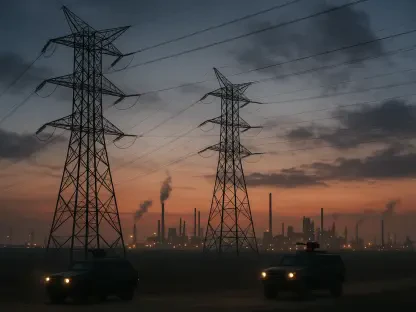
The Strait of Hormuz, which facilitates the passage of approximately twenty percent of the world’s daily oil consumption, has recently become the epicenter of a high-stakes military confrontation. The Iranian Revolutionary Guard Corps has aggressively asserted its presence within this narrow passage, employing tactics that include the deployment of sea mines and the direct seizure of commercial tankers. This hostile environment has precipitated a significant collapse in maritime traffic, as shipping lanes that once accommodated up to one hundred and forty vessels daily now see as few as ten during periods of peak tension. This staggering reduction reflects the tangible danger posed by active naval blockades that have effectively throttled one of the world’s most critical energy arteries. For many operators, the risk of vessel loss or catastrophic damage has reached a threshold where traditional navigation is no longer viable. The resulting bottlenecks have caused delays that ripple through global refineries and manufacturing hubs, signaling a deep shift in how maritime security is managed.
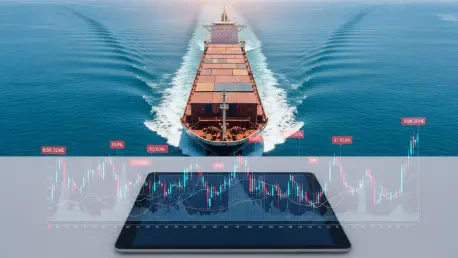
The most immediate economic manifestation of this regional instability is the extraordinary spike in maritime insurance rates, as underwriters struggle to quantify the risks of vessel destruction. War-risk premiums, which historically fluctuated between one and three percent of a vessel’s total hull value, have surged to as much as ten percent in the most dangerous sectors of the Persian Gulf. For a modern supertanker, this adjustment can result in an insurance invoice exceeding twenty million dollars for a single passage through the strait. While freight rates generally fluctuate based on seasonal demand, they currently remain nearly four times higher than the long-term average, indicating that the market is pricing in a permanent state of high-level risk. These financial burdens are not absorbed by the shipping lines alone but are instead passed through the supply chain, contributing to persistent inflationary pressures across the globe. Even with increased naval escorts provided by international coalitions, the insurance industry remains hesitant to lower rates until a verifiable de-escalation occurs.
Strategic Blockades: Long-Term Market Resilience
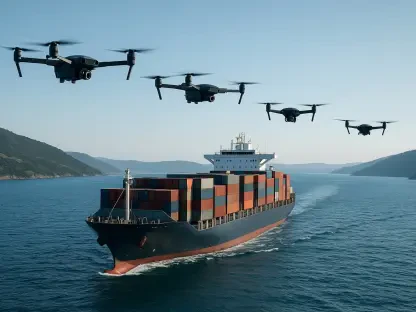
Simultaneously, the Bab al-Mandeb Strait is facing a distinct but equally severe crisis as Houthi rebels implement a calculated “siege-for-siege” strategy against vessels they perceive as hostile. Utilizing an array of sophisticated cruise missiles and autonomous aerial drones, these groups have successfully disrupted commercial shipping in the eighteen-mile-wide passage, leading to a thirty percent decline in daily transit activity. Although the insurance premiums in the Red Sea are currently lower than those seen in the Strait of Hormuz, they still represent a five-fold increase compared to historical norms for the region. This discrepancy suggests that while the threat profile is different from the state-level naval presence of Iran, it remains a primary concern for global maritime insurers and logistical planners. The ability of non-state actors to project power into these narrow waterways has forced a total re-evaluation of maritime defense strategies. Companies are now forced to choose between the high costs of insurance or the lengthy and expensive detour around the Cape of Good Hope.
To navigate this era of maritime volatility, stakeholders within the global trade network implemented several strategic shifts to mitigate the financial impact of rising insurance costs. Diversification of energy transit routes and the rapid expansion of land-based pipeline capacities became immediate priorities for nations seeking to bypass these dangerous maritime choke points. Furthermore, the shipping industry adopted advanced AI-driven risk assessment tools that allowed for real-time adjustments to vessel routing and insurance coverage based on localized threat levels. International maritime organizations also established new standardized security protocols to better protect commercial crews and assets in active conflict zones. While the high cost of insurance remained a significant hurdle, these proactive measures provided a framework for maintaining the flow of essential goods during periods of extreme geopolitical tension. The focus eventually transitioned toward long-term diplomatic engagement aimed at securing permanent safe-passage agreements for commercial shipping. By prioritizing technological innovation and international cooperation, the industry moved toward a more resilient model of global commerce that accounted for the inherent risks of regional instability.