
Statistical data reveals that children in South Central Los Angeles receive nearly half the park funding per capita compared to those living in the more affluent Westside neighborhoods. This gap illustrates how urban planning in 2026 still reflects historical patterns of neglect. The physical environment of Los Angeles is a primary driver of the extreme heat that disproportionately impacts low-income communities. While residents in wealthier zip codes enjoy the cooling effects of mature tree canopies and oceanic breezes, those in South Los Angeles navigate a landscape defined by expansive asphalt and a lack of protective greenery. This geographical divide is the result of decades-old policy decisions that prioritized industrial development and high-density infrastructure over the environmental well-being of marginalized populations, creating a city where access to a cool climate is treated as a luxury. This legacy of disinvestment has turned the simple act of being outdoors into a health risk for many.
The Historical Foundations: Redlining and Industrial Zoning
The current thermal disparities are fundamentally linked to the 1930s-era practice of redlining, where federal agencies mapped neighborhoods based on perceived investment risk. Southern Los Angeles was frequently designated as “hazardous,” a label that systematically denied these communities access to the mortgage loans and public investments necessary for sustainable urban development. While West Los Angeles was bolstered by capital that funded parks and extensive street-level greenery, redlined districts were left to be repurposed for industrial utility. This lack of initial investment prevented the growth of a robust tree canopy, which is essential for mitigating the effects of rising temperatures. Today, the absence of natural cooling infrastructure in these areas remains a persistent legacy of these discriminatory maps, demonstrating how financial exclusion in the past has morphed into environmental vulnerability in the present.
Complementing the financial exclusion of redlining were zoning laws that intentionally funneled industrial growth into the southern sectors of the city. While affluent neighborhoods were protected by strict residential zoning that preserved open space, South Los Angeles became a hub for manufacturing, warehouses, and heavy logistical infrastructure. These land-use decisions replaced permeable soil and vegetation with heat-absorbing materials such as wide concrete highways and sprawling parking structures. Unlike natural landscapes, these man-made surfaces trap solar radiation during the day and release it slowly throughout the night, creating a relentless cycle of heat exposure known as the urban heat island effect. This concentration of industrial activity and heat-retaining infrastructure reflects a planning philosophy that prioritized economic output over the basic physical comfort and health of individuals within these paved environments.
Infrastructure Gaps: The Science of Urban Heat
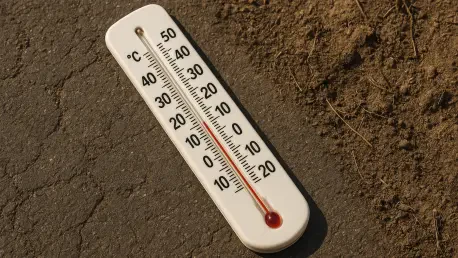
The physical manifestation of this planning gap is seen in the difference in tree canopy coverage across the city, which averages 21% citywide but drops to as low as 5% in specific South Los Angeles neighborhoods. Trees and green spaces are not just aesthetic additions; they are vital cooling tools that regulate temperature through shade and evapotranspiration. In neighborhoods without this coverage, the ground surface temperature can exceed the air temperature by dozens of degrees, turning sidewalks into hazardous corridors. This lack of natural air circulation forces residents to depend on mechanical cooling, which creates a significant financial burden for families already struggling with living costs. For those without reliable air conditioning, the environment offers no sanctuary, as the heat trapped by the concrete ensures that indoor temperatures remain dangerously high even during the evening hours. This creates a public health crisis where thermal stress is constant.
This disparity is further illustrated by the contrast between the unshaded public transit corridors and private oasis environments like the University of Southern California campus. While the university grounds offer lush landscaping and cooling infrastructure for affiliates, the surrounding South Los Angeles neighborhood remains largely unshaded, with bus stops that provide no protection from the solar glare. This exposure leads to an increased prevalence of heat-related illnesses, such as heat stroke, particularly among older residents and transit-dependent workers. The financial strain of maintaining a livable home temperature adds another layer of hardship, as residents are often forced to choose between paying exorbitant electricity bills and enduring life-threatening conditions. The current urban design essentially forces low-income individuals to pay a “heat tax,” either through utility costs or through the long-term deterioration of their health in an unshaded and unforgiving environment.
Strategic Interventions: Planning for Environmental Equity
Meaningful progress toward thermal equity required a multifaceted approach that combined technological upgrades with robust housing protections. Urban planners began prioritizing the installation of cool, heat-reflective pavements and the expansion of shaded transit structures in the hottest corridors. However, it was recognized that beautifying these neighborhoods often accelerated gentrification, as environmental improvements made areas more attractive to outside investors. To counter this, the implementation of the Community Opportunity to Purchase Act (COPA) allowed community organizations to acquire properties and preserve them as affordable housing units. By pairing climate adaptation measures with rent stabilization and “Just Cause” eviction ordinances, the city sought to ensure that long-term residents could benefit from new green infrastructure without being priced out. This strategy acknowledged that environmental justice cannot exist without securing the residential stability of the most vulnerable citizens.
The successful mitigation of heat inequity in Los Angeles hinged on the city’s transition toward a more equitable distribution of public resources and a commitment to undoing the legacy of redlining. By redirecting park funding toward South Los Angeles and prioritizing the needs of transit-dependent communities, municipal leaders transformed the urban landscape into a more resilient space for everyone. It was determined that the most effective solutions involved leveraging institutional influence to advocate for infrastructure that served the broader public good rather than isolated interests. These actions established a new standard for urban resilience, where stay-cool zones were recognized as a fundamental human right. Moving forward, the city maintained its focus on integrating environmental engineering with social policy to protect its residents from the ongoing challenges of global climate shifts. This comprehensive framework provided a sustainable model for other major metropolitan areas to follow.