
The rapid expansion of the northern metropolitan corridor has placed an unprecedented level of pressure on local municipalities to redefine how they approach long-term urban sustainability and resource management. Broomfield is currently navigating a pivotal transition as it initiates a comprehensive update to its long-range planning documents to better reflect the evolving needs of a diverse and growing population. This effort is not merely a bureaucratic requirement but a foundational shift toward a more resilient urban framework that prioritizes environmental stewardship and social equity. By reassessing the foundational Comprehensive Plan, the city aims to harmonize conflicting demands for high-density development with the preservation of the unique local character that defines the region. Planners are currently synthesizing data from recent demographic shifts to ensure that the revised strategy remains relevant for the next two decades. This proactive stance acknowledges that yesterday’s solutions cannot address tomorrow’s challenges.
Adapting Infrastructure for Sustainable Growth
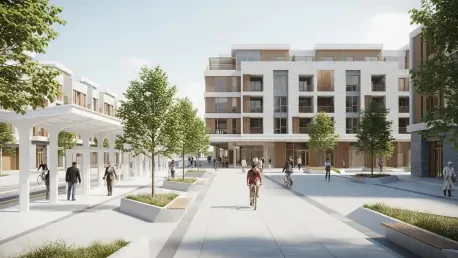
The focus on diversifying housing options represents a central pillar of the new initiative, targeting a broader range of price points to accommodate both the workforce and aging residents. Current zoning regulations are undergoing a rigorous evaluation to identify opportunities for mixed-use developments that blend residential units with commercial and retail spaces. This approach seeks to reduce car dependency while fostering vibrant neighborhoods where essential services are within walking distance of primary residences. Officials are particularly interested in the integration of “missing middle” housing types, such as duplexes and townhomes, which provide a bridge between single-family homes and high-rise apartments. By leveraging modern construction techniques and sustainable materials, these projects aim to minimize the environmental footprint while maximizing efficiency. The goal is to create a seamless transition between established districts and newly developed areas, ensuring that growth does not compromise the quality of life for existing citizens.
Beyond residential considerations, the initiative emphasizes the critical need for robust utility systems and water conservation strategies that can withstand increasingly unpredictable climate patterns. As the demand for resources continues to climb, the city is prioritizing the implementation of advanced graywater recycling and smart irrigation systems across public parks and private landscapes. This strategy extends to the preservation of open spaces and natural corridors, which serve as vital buffers against urban heat islands and provide essential habitats for local wildlife. Planners are working closely with regional water authorities to secure long-term rights and develop contingency plans for potential shortages. Moreover, the integration of green infrastructure, such as permeable pavements and bioswales, is being standardized for all new capital projects to manage stormwater runoff more effectively. These investments in the physical environment are designed to ensure that the city remains a viable and attractive place to live and work for the coming decades without depleting finite resources.
Enhancing Connectivity through Multimodal Innovation
A significant portion of the updated long-range plan is dedicated to the modernization of transportation networks, shifting the focus from traditional road widening to a more holistic multimodal approach. The introduction of intelligent transportation systems, including synchronized traffic signals and real-time transit tracking, is expected to improve flow and reduce congestion without the need for massive land acquisition. City planners are exploring the expansion of dedicated bike lanes and pedestrian pathways that connect major transit hubs with residential hubs and commercial centers. This digital and physical integration allows for a more flexible commute, encouraging residents to utilize public transportation or micro-mobility options like electric scooters and bicycles. Furthermore, the plan incorporates the rollout of a comprehensive electric vehicle charging network to support the transition toward cleaner energy sources. By investing in these technologies now, the city is positioning itself as a leader in urban mobility, ensuring that the movement of people and goods remains efficient even as the population density increases.
The initiative successfully established a framework that prioritized community engagement and transparent decision-making throughout the entire planning cycle. By hosting interactive workshops and digital town halls, the administration gathered diverse perspectives that informed the final version of the long-range strategy. Stakeholders identified key areas where past policies fell short and proposed actionable solutions that were subsequently integrated into the formal documentation. The process emphasized the importance of adaptability, ensuring that the plan could be adjusted as new technological advancements or economic shifts occurred. Regional partnerships played a vital role in aligning local goals with broader state-level objectives, particularly regarding environmental protection and regional transit expansion. This collaborative effort resulted in a comprehensive roadmap that balanced growth with sustainability, providing clear guidance for future land use decisions. The city moved forward with a renewed sense of purpose, equipped with a plan that was both ambitious and grounded in the practical realities of modern urban management and civic responsibility.