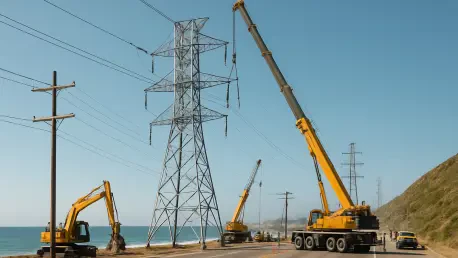

Over 500 utility poles and associated hardware are being replaced or reinforced along a major thoroughfare between the Orleans Parish line and Clearview Parkway. This massive infrastructure overhaul represents just one segment of a broader initiative aimed at fortifying Louisiana’s power delivery system against the escalating threats of tropical weather systems and extreme environmental stress. For years, residents of the Gulf South have navigated the aftermath of devastating storms that regularly compromised the electrical grid, leading to prolonged outages and economic stagnation. The current project along Airline Drive signifies a pivot toward proactive engineering rather than reactive repairs, marking a definitive commitment to long-term stability. By integrating modern materials and advanced structural designs, the utility provider aims to create a more durable network capable of sustaining service even under intense atmospheric pressure. This effort is a strategic redesign of energy pathways.
Structural Evolution: Upgrading Regional Infrastructure
Engineering for High Wind Environments
The transition from traditional wooden utility poles to reinforced steel and high-density concrete signifies a fundamental shift in how the regional grid is constructed to withstand hurricane-force winds. Many existing structures, some of which had reached the end of their functional lifespan, were designed for lower wind thresholds that no longer align with current meteorological trends. Under the new $270 million resilience plan, the replacement poles are engineered to remain upright in the face of gusts exceeding 150 miles per hour, providing a crucial safety margin during major weather events. This engineering approach involves deeper footings and more robust guy-wire configurations that stabilize the vertical load when the soil becomes saturated by rainfall. Furthermore, the insulators and cross-arms are being upgraded to polymer materials that offer superior resistance to corrosion. Such technical enhancements ensure that hardware does not fail.
Strategic Placement: Minimizing Service Disruptions
Strategic deployment of these upgrades focuses on high-traffic corridors and essential service zones where power restoration is most critical for public safety and economic recovery. By prioritizing segments between the Orleans Parish line and major junctions like Clearview Parkway, the project ensures that essential facilities, including emergency response centers and healthcare providers, remain connected through a more resilient primary feeder. The installation process itself utilizes specialized equipment to minimize lane closures on Airline Drive, balancing the need for rapid construction with the logistical requirements of the local population. Beyond the physical poles, the project includes the installation of heavier gauge conductors that can carry higher loads without overheating, which is important as peak demand rises. This systematic hardening of the grid backbone creates a ripple effect of reliability, where the core of the system remains intact even if localized lines fail.
Financial Strategy: Funding a Durable Future
Leveraging Federal Grants for Resilience
A significant portion of this $270 million investment is bolstered by a substantial federal grant of approximately $250 million, which allows the utility to accelerate these improvements without placing the entire financial burden on the local ratepayer base. This funding model reflects a collaborative approach between national energy policy and regional utility management, recognizing that a stable Gulf Coast grid is essential for national energy security. The allocation of these funds facilitates a comprehensive multi-year strategy that extends beyond 2026 and into 2028, ensuring that hardening efforts are part of a statewide network improvement plan. This financial infusion enables the purchase of advanced grid technology, such as automated reclosers and smart sensors, which can isolate faults within seconds to prevent widespread blackouts. By utilizing federal resources, the utility has been able to expand the scope of resilience work in surge zones.
Modernization Roadmap: Moving Toward a Smart Grid
The successful completion of the Airline Drive project provided the blueprint for subsequent hardening phases scheduled through 2028. Utility planners transitioned their focus to the integration of decentralized energy resources, such as microgrids and battery storage, which required the robust physical foundation established during this initial $270 million phase. This shift allowed for a more flexible response to grid stress, where localized power sources could support neighborhood loads during repair windows. By standardizing the use of steel alloys and smart switching technology, the region reduced its long-term maintenance liabilities and insurance premiums. Future initiatives prioritized the undergrounding of secondary lines in high-density residential zones, building upon the stability of the hardened primary corridors. The project ultimately demonstrated that infrastructure resilience was a prerequisite for economic growth and climate adaptation. Decision-makers used this rollout to optimize energy policy.