


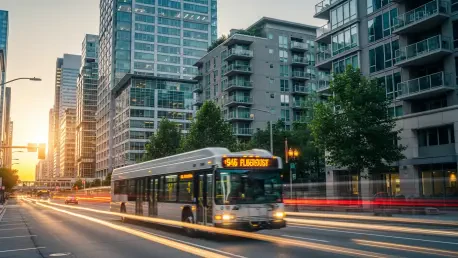

The current state of urban mobility in Columbia reflects a complex intersection of historical infrastructure choices and the rapidly evolving demands of a modernizing populace. As commuters navigate congested arteries like Gervais Street or Assembly Street, the limitations of the existing bus-centric framework become increasingly apparent to city planners and residents alike. Transitioning from a system that many perceive as a secondary option for those without vehicles to a robust, primary mode of transportation requires a fundamental shift in both investment and public perception. The challenge lies in creating a network that is not only reliable but also competitively efficient when compared to private vehicle travel. This evolution necessitates a departure from traditional scheduling models toward dynamic, data-driven approaches that prioritize high-frequency routes and seamless intermodal connectivity. By analyzing current traffic patterns, the city can identify critical gaps where the transit system fails to meet the needs of its workforce.
Modernizing Infrastructure: Technology and Strategic Planning
Implementing a comprehensive smart-signal priority system represents one of the most effective ways to reduce transit delays and improve the overall reliability of the Comet bus fleet. This technology allows transit vehicles to communicate directly with traffic controllers, extending green lights or shortening red cycles as buses approach busy intersections. When paired with dedicated bus lanes along high-traffic corridors like North Main Street, these technological enhancements can significantly decrease travel times, making the bus a more attractive alternative to driving. Furthermore, the integration of real-time tracking data into a mobile application empowers riders with precise arrival information, eliminating the uncertainty that often discourages potential users. This transparency is crucial for building trust within the community, as it provides commuters with the agency to plan their journeys with confidence. Beyond scheduling, such platforms can facilitate contactless payments and integrated ticketing.
Revitalizing public transit is inextricably linked to land-use policies that encourage transit-oriented development and higher density along established corridors. By incentivizing the construction of mixed-use residential and commercial properties near major transit hubs, the city can create a built-in rider base that finds public transportation to be the most convenient option for daily life. This approach reduces the reliance on sprawling parking lots, which often consume valuable real estate and create hostile environments for pedestrians and cyclists. Furthermore, local government entities can collaborate with major employers and educational institutions to provide subsidized transit passes as a standard employee benefit. These partnerships not only increase ridership but also alleviate the pressure on downtown parking facilities, which are often at or near capacity. Shifting the economic landscape to favor transit usage requires a combination of policy mandates and financial incentives that align interests between stakeholders.
The revitalization of the regional transit framework depended on a holistic strategy that prioritized the needs of the diverse population while embracing the latest advancements in automotive technology. Successful initiatives focused on expanding service hours to accommodate hospitality and healthcare workers who required reliable transportation outside of traditional peak times. Planners recognized that a rigid system could not survive in a dynamic economy, so they pivoted toward micro-transit options for less densely populated areas, providing on-demand service that fed into the main transit arteries. Community outreach programs effectively gathered feedback from residents, ensuring that the redesigned routes reflected the actual movement patterns of the people they served. By the end of this developmental phase, the city established a framework that significantly reduced traffic congestion. This commitment paved the way for future autonomous grid integration.







