
The breathtaking landscapes of the Hawaiian Islands provide a stunning backdrop for one of the most complex and urgent infrastructure overhauls currently taking place within the United States. As global weather patterns become increasingly unpredictable, the state has transitioned from a standard utility maintenance model to an aggressive strategy centered on total grid survivability and independence. This shift is not merely an environmental preference but a fundamental necessity driven by the reality that Hawaii is the most isolated population center on the planet. For residents, electricity is more than a convenience; it is a critical lifeline that must remain operational during the tropical storms and wildfires that have grown more intense over the last decade. By reimagining how power is generated and distributed, state planners are now focusing on creating a system that can withstand catastrophic impacts while maintaining the ability to restore service to essential facilities within minutes rather than weeks.
Navigating the Limits: The Challenge of Geographic Isolation
Hawaii’s energy landscape is defined by a unique set of constraints that do not exist for utilities located on the North American mainland, where interconnected regional grids allow for the rapid sharing of power and personnel. When a major disaster strikes a state like Florida or Texas, convoys of repair trucks from neighboring regions can arrive within hours to begin restoration efforts. In contrast, the Hawaiian archipelago is entirely dependent on its deep-water harbors and international airports to receive any form of external assistance, including heavy equipment and specialized technicians. If these logistics hubs are compromised by storm surges or seismic activity, the state is effectively on its own for the duration of the initial recovery period. This isolation necessitates a level of self-sufficiency that informs every aspect of local grid design, forcing utilities to prioritize local stockpiling and the construction of infrastructure that requires zero outside intervention.
The urgency behind these systemic changes is deeply rooted in the historical memory of past disasters that left communities in the dark for extended periods, such as the catastrophic aftermath of Hurricane Iniki. These events demonstrated that the state’s rugged and often vertical topography creates significant barriers to traditional repair methods, as many transmission lines cross remote ridges and valleys that are inaccessible to standard service vehicles. Lessons were also drawn from the prolonged recovery efforts seen in other island jurisdictions, underscoring the danger of relying on fragile, centralized systems in high-risk environments. State officials and energy experts have concluded that traditional methods of pole replacement and line stringing are no longer sufficient to meet modern safety standards. Consequently, the current focus has moved toward creating a hardened skeleton of infrastructure that can endure extreme wind loads and seismic shifts without succumbing to the structural failures seen in previous decades.
Strategic Investments: Hardening Physical Infrastructure
To address these vulnerabilities directly, the Hawaiian Electric Company has committed to an expansive investment strategy that allocates more than $100 million annually to the physical hardening of its delivery systems. A primary component of this initiative involves the systematic replacement of thousands of legacy wooden utility poles with modern structures made of reinforced steel or composite materials capable of withstanding hurricane-force gusts. Beyond structural upgrades, the utility has drastically expanded its vegetation management program, clearing brush and trees along more than 2,000 miles of power circuits across the islands. This aggressive pruning strategy serves a dual purpose: it prevents falling branches from downing lines during high winds and significantly reduces the volume of combustible material that could fuel wildfires. By creating these buffer zones, the state is protecting its energy assets while simultaneously safeguarding the surrounding communities from the risk of fire.
Modernization efforts also incorporate a suite of advanced technological tools designed to provide real-time situational awareness and predictive modeling for utility operators. High-resolution, AI-assisted fire-detection cameras now monitor high-risk corridors, while a dense network of weather stations provides hyper-local data on wind speeds and humidity levels. By employing a dedicated team of internal meteorologists, the utility can now anticipate localized threats and stage equipment in strategic locations before a storm even makes landfall. Furthermore, there is a concerted effort to relocate critical transmission lines from inaccessible mountain ridges to more manageable roadside locations. This move away from a reactive repair model ensures that maintenance crews can access damaged components using ground-based machinery rather than waiting for favorable flying conditions for helicopters. These technological and logistical shifts represent a fundamental change in how the grid is managed, prioritizing proactive mitigation over traditional recovery.
Decentralized Power: Microgrids and Local Resources
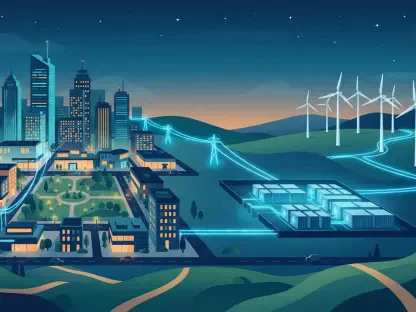
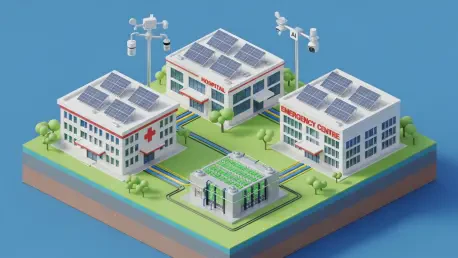
A cornerstone of the state’s long-term strategy for energy security is the implementation of microgrids, which are localized power systems that can disconnect from the main grid and operate independently during a failure. These systems are being strategically deployed at military installations, major hospitals, and community centers to serve as resilience hubs that maintain essential functions during widespread outages. By integrating onsite battery storage with renewable generation, these hubs provide a stable source of power for emergency communications, water pumping stations, and refrigeration for medical supplies. This structural decentralization ensures that even if a major transmission line is severed, the most critical components of society remain functional. These partnerships between the public sector and private utilities represent a shift toward a modular grid architecture, where the failure of one section does not necessarily lead to a total systemic blackout, thereby providing a more resilient foundation for recovery.
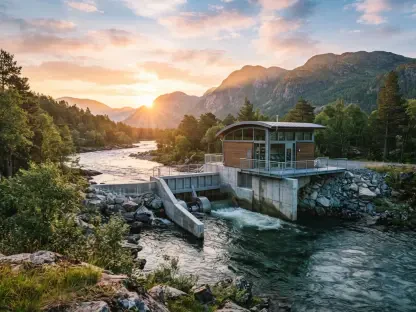
The island of Kauai has become a global benchmark for this transition, utilizing its independent utility cooperative to pioneer a move toward a 100% renewable power generation model. This evolution is driven as much by a desire for defensive independence as it is by environmental goals, as solar, hydroelectric, and biomass resources do not require fuel imports through vulnerable ports. By leveraging these local energy sources, the island has effectively insulated itself from the volatility of global oil markets and the logistical bottlenecks associated with maritime shipping. Additionally, the cooperative has invested heavily in steel transmission poles and drone-assisted damage surveys to ensure that any disruptions are identified and repaired with unprecedented speed. This closed-loop energy ecosystem demonstrates that a reliance on local resources can significantly enhance grid stability, providing a clear roadmap for other island communities looking to reduce their dependence on the fragile supply chains that currently sustain traditional power plants.
Future Stability: Policy and Personal Readiness
Financial support for these large-scale infrastructure projects is bolstered by significant federal contributions from the Department of Energy and the Federal Emergency Management Agency. These funds are meticulously managed by the Hawaii State Energy Office to ensure that investments are targeted toward projects that offer the highest return on resiliency, such as the burial of underground lines and the strengthening of harbor-side substations. These government-led initiatives are essential for covering the high capital costs associated with modernizing an aging grid in a challenging geographic environment. However, policy experts recognize that government spending alone cannot guarantee total grid reliability without a coordinated effort to streamline the permitting process for new renewable projects. By reducing administrative hurdles, the state is accelerating the deployment of localized energy storage systems that can act as a buffer during peak demand or unexpected generation shortfalls, further stabilizing the overall network for all consumers.
While large-scale institutional improvements provided the necessary framework for a modern grid, the final stage of this transition focused on the critical role of individual readiness and residential participation. State leaders encouraged homeowners to adopt personal backup solutions, such as battery storage for medical equipment, to ensure that the most vulnerable residents remained safe during the initial hours of any unforeseen outage. The successful integration of residential solar programs with utility-scale storage created a bidirectional energy flow that enhanced the flexibility of the entire system. Looking ahead, the focus must remain on the continuous evaluation of emerging climate threats and the rapid adoption of next-generation grid-forming inverters that can restart the system without external power sources. By maintaining a rigorous cycle of testing and infrastructure investment, the state secured a more stable future where energy independence and physical resilience are inextricably linked, providing a reliable foundation for the long-term prosperity of the Hawaiian people.