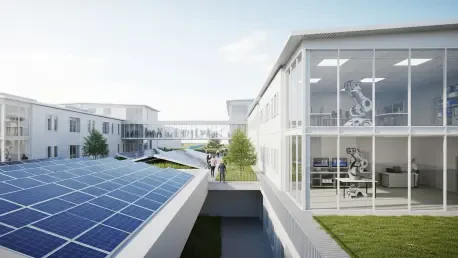

Wahpeton is not just another dot on the map of the Red River Valley; it is currently undergoing a transformative period that will define its economic and social landscape for the next half-decade. The city has moved beyond traditional planning to embrace a comprehensive roadmap that prioritizes sustainable growth and technological integration. This shift represents a departure from reactive governance, moving toward a proactive model where infrastructure and industry are harmonized. As the regional hub positions itself to meet the demands of a shifting global economy, the focus remains on creating an environment where both legacy businesses and tech startups can thrive. Through 2031, the emphasis lies on bridging the gap between historical manufacturing strengths and the emerging digital economy. This strategic foresight ensures that the community remains resilient in the face of demographic shifts. By leveraging its unique geographic position, the city is building a legacy of innovation.
Infrastructure Modernization and Community Resilience
Strengthening Utility Networks and Smart Integration
The modernization of physical infrastructure serves as the bedrock for all other strategic advancements within the city’s long-term vision. Engineers and city planners are currently prioritizing the overhaul of aging utility systems, ensuring that water management and energy distribution meet the rigorous standards of 2026 and beyond. This initiative extends beyond mere repairs; it involves the integration of smart sensors and IoT-enabled monitoring systems that provide real-time data on consumption and structural integrity. By deploying these technologies, the municipal government can anticipate maintenance needs before they become costly emergencies, effectively extending the lifecycle of public assets. Furthermore, the expansion of high-capacity broadband across the residential and commercial districts ensures that every corner of the city is equipped for the digital age. This level of connectivity is no longer a luxury but a fundamental requirement for attracting remote professionals and high-tech industries.
Expanding Digital Accessibility and Public Spaces
Parallel to digital upgrades is the deliberate focus on enhancing the aesthetic and functional quality of public spaces to foster community cohesion. The 2031 plan emphasizes the development of multi-use greenways and recreational corridors that connect the riverfront with the downtown core. These projects are designed to improve the quality of life for residents while simultaneously boosting property values and attracting tourism to the region. Thoughtful urban design, which includes pedestrian-friendly walkways and improved lighting, creates a safer and more inviting environment for commerce and socialization. This holistic approach to infrastructure recognizes that a city’s physical layout directly influences its social vitality and economic health. As these projects reach completion, the integration of sustainable materials and native landscaping will further solidify the city’s commitment to environmental stewardship. This ensures a balanced environment that caters to the needs of its diverse population.
Economic Diversification and Human Capital
Strengthening the Pipeline for Technical Innovation
Central to the economic strategy is the deepening of the partnership between local industries and the North Dakota State College of Science. This collaboration ensures that the educational curricula are precisely aligned with the evolving needs of regional employers in sectors like advanced manufacturing and renewable energy. Students are now benefiting from hands-on training in laboratories equipped with the latest robotics and automation technology, making them job-ready from the moment they graduate. This synergy not only provides a steady stream of skilled talent for local businesses but also encourages young professionals to remain in the area after completing their studies. By fostering an ecosystem of continuous learning, the city is effectively future-proofing its workforce against the disruptions caused by artificial intelligence and shifting global supply chains. The college acts as a beacon of innovation, drawing in talent from across the state and providing the intellectual capital necessary for success.
Realizing Long-Term Goals Through Strategic Policy
The implementation of the comprehensive strategic plan successfully established a framework for long-term prosperity and regional leadership. Local leaders recognized that the path toward 2031 required immediate action on housing accessibility and energy efficiency. They prioritized the development of high-density residential zones that appealed to young families and professionals, ensuring the city remained vibrant and growing. Decision-makers also integrated renewable energy solutions into municipal operations, which reduced long-term costs and enhanced sustainability. For those looking to replicate this success, the key resided in fostering transparent communication between the public sector and private enterprises. The city demonstrated that a commitment to technological parity and workforce development could revitalize even the most traditional industrial centers. By remaining adaptable and data-driven, the community overcame the challenges of a fluctuating economy and secured its place as a center of innovation.