
The roar of internal combustion engines is fading across major metropolitan areas as electric motors begin to dominate the asphalt, yet this transformation is no longer being won or lost in the design studios of automotive giants but rather in the concrete trenches where charging cables meet the grid. While the previous decade revolved around debunking the myth that electric cars were mere golf carts with limited performance, the challenge has pivoted toward a much more logistical and systemic hurdle. Manufacturers have successfully proven they can build vehicles with 400 miles of range and acceleration that rivals supercars, but these technical achievements lose their luster if the driver is left hunting for a functional plug in a dark parking lot. The mass market is now the target, and unlike early adopters who were willing to tolerate inconveniences for the sake of the environment or novelty, the current wave of consumers demands a level of reliability and ubiquity that mirrors the century-old gas station model. As the industry matures, the focus is expanding beyond the chassis to the complex web of hardware and software that keeps the wheels turning. This shift is turning charging infrastructure into the ultimate litmus test for whether the electric dream can truly go global or if it will remain a luxury for those with private garages and predictable commutes.
The Evolution of Market Priorities
Shifting From Product Focus to Ecosystem Reliance
For years, the primary conversation surrounding electrification was dictated by battery density and the reduction of manufacturing costs, yet a fundamental shift has occurred where the vehicle is no longer seen as an isolated product but as a component of a much larger energy ecosystem. This shift signifies that the “cool factor” of a new EV launch is quickly being overshadowed by the practical reality of how that vehicle fits into a driver’s existing lifestyle and schedule. Innovation in solid-state batteries or aerodynamic drag coefficients remains important, but these features are increasingly becoming secondary to the seamless integration of charging into the daily flow of commerce and personal travel. When a prospective buyer walks into a dealership today, the questions have moved from “How fast is it?” to “Where can I plug it in if I live in a high-rise?” This requires a holistic rethink of automotive business models, moving from a one-time sales transaction to a long-term service relationship where the car manufacturer or their partners must ensure the vehicle remains powered and ready. The industry is effectively transitioning from being purely about transportation to becoming a branch of the utility and digital service sectors, where the user experience is defined by the charger as much as the steering wheel.
Strategic investments are no longer just supporting new vehicle startups; they are pouring into high-capacity public networks and fast-charging corridors that connect disparate regions. With the infrastructure market expected to see significant annual growth through 2030, charging networks have officially become the most important strategic asset in the transition to clean energy. Venture capital that once chased the next “Tesla killer” is now flowing toward companies specializing in high-voltage hardware and AI-driven load management software. This capital reallocation highlights a growing understanding that the most advanced electric vehicle is worthless without a robust support system. Current economic trends indicate that regions with the most aggressive charging expansion are seeing the highest rates of vehicle adoption, proving that infrastructure is the lead indicator for sales rather than a lagging response. Large-scale developers are now incorporating mega-watt charging hubs into commercial real estate projects, treating them as essential utilities similar to high-speed internet or water. This trend underscores a broader move toward a model that prioritizes a complete transportation ecosystem over individual product performance, creating a new competitive landscape for both old and new players.
Addressing Accessibility and Consumer Trust
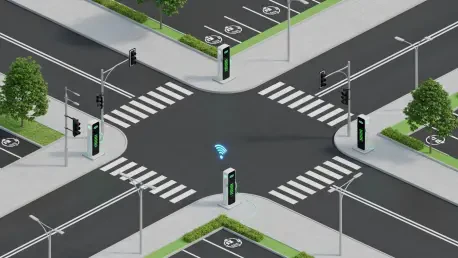
To support a diverse range of drivers, the charging backbone must address several different usage scenarios at once to ensure that no segment of the population is left behind in the green transition. Urban environments require high-density public plugs for apartment residents who cannot charge at home, while highway corridors need ultra-fast options to make long-distance travel feasible for families and travelers. Additionally, commercial logistics and public transit require high-uptime environments to ensure that delivery schedules and routes remain predictable and efficient. Without this multi-tiered approach, the electric vehicle market risks reaching a saturation point where only those with private driveways can participate. Real-world implementation in cities like Amsterdam has shown that curbside charging integrated into existing streetlights can bridge the gap for urban dwellers, but scaling this to massive sprawling metropolises remains a daunting task. The logistics sector faces even steeper hurdles, as heavy-duty trucks require specialized high-output stations that do not yet exist in sufficient numbers along major freight arteries. Addressing these diverse needs is not just about quantity; it is about the strategic placement of assets to create a truly inclusive network.
This physical expansion is essential for overcoming the psychological barriers that still prevent many people from switching to electric models. While “range anxiety” once dominated the conversation, modern drivers are more concerned with “infrastructure trust,” which is the belief that a charger will be functional and available when needed. There is a profound difference between seeing a charging icon on a map and arriving to find a working pedestal that accepts the driver’s preferred payment method without technical glitches. When networks become as visible and dependable as traditional gas stations, as seen in markets like Norway, consumer hesitation tends to disappear almost entirely. Trust is built through consistent performance and transparent data, such as real-time occupancy status and accurate pricing information. If a driver experiences a “dead plug” more than once, it can permanently damage their perception of the technology, leading to negative word-of-mouth that no amount of marketing can fix. Consequently, the industry is moving toward stricter service-level agreements and remote monitoring to ensure that chargers are not just present but are actually operational 99% of the time. This reliability is the new frontier of brand loyalty and public confidence.
Managing Technical and Industry Pressures
Strengthening the Grid and Urban Systems
Building an expansive network is not just about installing more plugs; it requires a massive transformation of the existing energy grid to handle the unprecedented load of millions of vehicles. Fast-charging stations draw an immense amount of power, often equivalent to an entire neighborhood’s peak usage, meaning local grids often need upgrades to their transformer capacity and transmission resilience. In many older urban areas, the underground copper and substation hardware were never designed for this level of intensity, leading to potential bottlenecks that can delay station deployment by years. Smart charging technologies are being deployed to balance this demand, using software to manage power flow during peak hours and prevent grid destabilization. By utilizing vehicle-to-grid (V2G) systems, electric cars can even act as giant batteries, feeding power back into the system during surges and receiving it during lulls. This bi-directional flow turns the car from a passive consumer into an active participant in grid stability, but it requires a level of communication between the vehicle, the charger, and the utility provider that is still in the early stages of wide-scale rollout.
Effective infrastructure also requires a deep integration with smart-city planning and renewable energy goals to ensure that the shift to electric power is truly sustainable in the long run. For electric vehicles to be truly clean, their charging points should ideally be tied to solar power and on-site energy storage systems that reduce reliance on coal or gas-fired plants. Countries like Singapore are already using this approach, treating infrastructure as a core part of urban development to ensure that energy demand is managed through strategic planning rather than reactive patches. This involves “charging hubs” that combine retail, leisure, and high-speed energy transfer, allowing the grid to handle concentrated loads more predictably. Integrating these systems requires collaboration between urban planners, electrical engineers, and private developers who must align their long-term visions. When charging is treated as a foundational element of city architecture, it ceases to be a nuisance and becomes a catalyst for further innovation, such as autonomous shuttle fleets that return to these hubs for automated power replenishment. The goal is to create a symbiotic relationship where the growth of the vehicle fleet actually improves the resilience and cleanliness of the city’s energy profile.
Navigating Competition and Standardization
As the market matures, the ability to provide easy charging access has become a significant competitive advantage that separates successful manufacturers from those struggling to gain traction. Some automakers, most notably Tesla, built their own proprietary networks early on to give their customers peace of mind and gain a foothold in the market, creating a “walled garden” effect. Today, more companies are forming strategic partnerships with energy providers to create branded ecosystems, recognizing that the charging experience is now a key part of brand loyalty. A driver who enjoys a seamless, one-tap charging experience with a specific brand is far more likely to remain loyal to that manufacturer for their next purchase. Conversely, companies that leave their customers to fend for themselves on fragmented, third-party networks often see lower satisfaction scores and higher churn. This has led to a gold rush where automakers are scrambling to secure “preferred partner” status with major charging operators, ensuring their customers get priority access or discounted rates. The competition is no longer just about the leather in the seats or the size of the touchscreen; it is about who can offer the most effortless refueling experience.
Despite this growth, the industry still struggles with fragmentation and a lack of universal standards which can make long-distance travel a frustrating exercise in digital juggling. Inconsistent payment methods, varying plug types, and different software systems often require drivers to carry dozens of different apps and RFID cards just to move across state lines or international borders. The companies and governments that successfully implement interoperable systems will likely lead the next phase of growth, as the ultimate test for the industry is whether it can provide a seamless experience for everyone. There is a growing push for “Plug & Charge” standards where the vehicle and the station communicate directly, handling authentication and billing without the user ever touching their phone. However, achieving this level of harmony requires competitors to share data and agree on protocols, which often clashes with their desire to maintain proprietary advantages. The tension between open-access public policy and private corporate interests remains one of the greatest hurdles to a unified network. Those who prioritize the user’s ease of use over narrow competitive gains will ultimately be the ones who define the standard for the next century of mobility.
Securing the Path to Total Electrification
The road ahead demanded a fundamental reimagining of how urban spaces were designed and how energy was distributed to meet the needs of a mobile population. Success was achieved by those who prioritized the standardization of payment systems and the physical reliability of hardware over proprietary exclusivity. Governments that integrated charging requirements into building codes and provided tax incentives for private network expansion saw the fastest rate of return on their environmental investments. Stakeholders eventually recognized that the transition was not merely about replacing one fuel source with another, but about building a resilient, interconnected infrastructure that could withstand the demands of millions of simultaneous users. By focusing on grid resilience and ensuring that fast-charging corridors were as common as highway exits, the industry finally broke the remaining barriers to total electrification. The ultimate lesson was that the vehicle was only as good as the network supporting it, and the future of mobility was secured through collaboration rather than isolation. Strategic shifts toward universal access and high-uptime maintenance protocols ensured that the electric vehicle became a permanent fixture of modern life, rather than a niche experiment. Professionals across the sector worked toward a future where the power grid and the transportation network operated as a single, efficient organism.