
While utility crews work to restore service, former NBA player Glenn Robinson has donated one hundred thousand dollars to provide relief for Northwest Indiana residents suffering from the extended power outage. This significant gesture comes as frustration reaches a boiling point among community members who have been without electricity for several consecutive days. The regional utility provider, NIPSCO, has faced intense scrutiny regarding its communication protocols and the speed of its mobilization efforts after a severe weather front decimated overhead lines. Thousands of residents in Gary, Hammond, and Merrillville have expressed their ire through social media and public forums, citing a lack of accurate restoration estimates and poor coordination. Local businesses have also suffered, with many forced to remain closed, leading to substantial economic losses that ripple through the local economy. The gap between corporate messaging and the lived reality of these customers remains vast and problematic.
Infrastructure Strain and the Limits of Current Response
The technical challenges facing NIPSCO stem from a combination of antiquated transmission systems and an increasingly volatile climate that regularly tests the limits of the existing grid. While the company has deployed hundreds of technicians and contracted mutual aid from neighboring states, the sheer volume of downed trees and tangled wires has made the physical work of repair exceptionally hazardous and slow. Engineers have noted that the reliance on aging wooden poles and outdated transformer designs has contributed to a cascading failure effect, where one localized fault leads to widespread outages across several municipal sectors. This mechanical vulnerability is compounded by the fact that many of these distribution lines are located in heavily wooded residential areas, making access for heavy bucket trucks difficult during muddy, post-storm conditions. Until the utility prioritizes a comprehensive hardening of the regional infrastructure, these types of prolonged blackouts are likely to remain a recurring threat.
Beyond the physical restoration of power, the psychological toll on the community has been exacerbated by a perceived lack of empathy from utility leadership. Many vulnerable citizens, including the elderly and those with chronic health conditions, found themselves trapped in homes without temperature control or the ability to charge essential medical equipment like oxygen concentrators. Community centers and local fire departments attempted to fill the void by opening cooling and charging stations, but these resources were quickly overwhelmed by the massive scale of the demand. This disconnect has led to a grassroots movement calling for more rigorous accountability measures and a reimagined approach to disaster management. Critics argue that a company with such a significant market share should have more robust contingency plans that go beyond simply reacting to disasters after they occur. The focus has now shifted toward how the utility manages its internal resources during the critical first hours of an emergency.
Strategic Modernization: Implementing Grid Resilience
The Indiana Utility Regulatory Commission has begun investigating the systemic failures that allowed this outage to persist for such an extended period. State legislators are now weighing the possibility of mandating higher reliability standards that could include financial penalties for utilities that fail to meet specific restoration benchmarks. One proposed solution involves the strategic implementation of microgrid technology, which would allow critical facilities like hospitals and water treatment plants to operate independently from the main grid during a failure. Furthermore, there is a renewed push for the selective undergrounding of power lines in high-risk zones, despite the initial capital costs associated with such an undertaking. Advocates for this approach point to its long-term cost-effectiveness, as it significantly reduces the need for emergency repairs and vegetation management. The transition toward a more resilient energy distribution model is no longer seen as a luxury but as a vital necessity for regional stability.
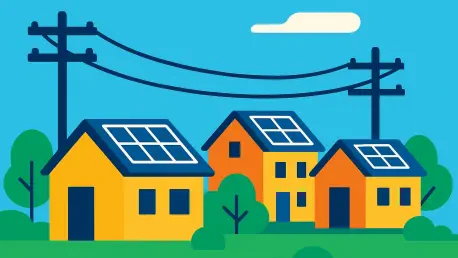
Community leaders established a multi-agency task force to bridge the communication gap between utility providers and emergency responders. They prioritized the development of a localized energy resilience plan that integrated residential solar arrays and battery storage systems into the broader municipal strategy. Residents took proactive measures by investing in smart-home technology that provided real-time data to utility repair teams, effectively pinpointing failures before they escalated into neighborhood-wide blackouts. Local governments also revised zoning ordinances to require more aggressive tree-trimming schedules near primary distribution hubs, which mitigated the risk of falling debris during high-wind events. These collective actions shifted the focus from reactive disaster response to a model of proactive preparedness and self-sufficiency. By diversifying energy sources and upgrading the underlying communication infrastructure, the region laid the groundwork for a more stable and reliable future for all its citizens.