
Industrial solarization is moving beyond theoretical goals to practical applications by targeting energy-intensive public service operations for immediate decarbonization. This strategic shift was formally announced at the COP31 summit in Antalya, where the International Solar Alliance (ISA) and the Jospong Group of Companies unveiled a comprehensive solarization roadmap for Africa. Unlike previous initiatives that focused on isolated generation projects, this partnership integrates renewable energy directly into the operational fabric of municipal and industrial sectors. By combining ISA’s technical and financial expertise with the Jospong Group’s vast African footprint, the roadmap establishes a scalable blueprint for sustainable development. The initiative prioritizes immediate impact by focusing on essential services like waste management and agriculture, ensuring that clean energy investments lead to tangible economic benefits. This methodology aims to bridge the energy access gap for the 600 million Africans currently living without reliable power while simultaneously modernizing the continent’s infrastructure.
Integrated Solutions for Essential Infrastructure
Modernizing Waste Management and Fleet Logistics
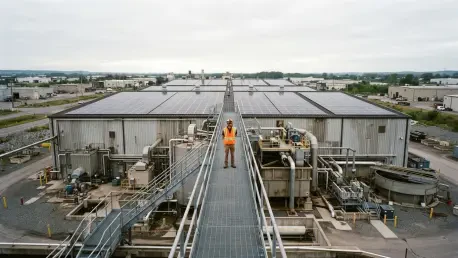
A cornerstone of the new roadmap involves the industrial solarization of the Jospong Group’s 36 waste treatment facilities across Ghana. These plants are traditionally energy-intensive, requiring consistent power to manage urban sanitation and environmental health. By transitioning these operations to solar energy, the partnership transforms existing public service sites into decentralized green hubs that operate independently of the national grid. This transition not only lowers operational costs but also provides a replicable model for other African markets where the Jospong Group currently maintains a presence. Integrating solar arrays directly into waste management infrastructure ensures that the energy produced has a guaranteed, high-volume consumer, making the project significantly more attractive to long-term investors. This infrastructure-led approach demonstrates how private-sector waste logistics can catalyze broader national energy transitions by creating stable demand for renewable power.
The roadmap further extends this industrial transition by supporting an ambitious program to convert 1,000 diesel waste-collection trucks to electric power. This fleet electrification initiative is supported by the development of solar-powered mini-grids and dedicated charging infrastructure designed to withstand demanding operational environments. Transitioning away from internal combustion engines reduces logistical exposure to fluctuating fossil fuel prices while significantly lowering the carbon footprint of municipal services. The integration of energy storage systems within these mini-grids ensures that the solar energy generated during the day can support charging cycles throughout the night, maximizing the utility of the installed capacity. This comprehensive ecosystem of distributed generation and clean transportation highlights the potential for solar technology to revolutionize urban logistics. By addressing both stationary and mobile energy needs, the partnership creates a unified energy framework that enhances the efficiency of essential municipal operations across the region.
Advancing Solar Irrigation and Technical Capacity
Recognizing that African economies remain highly sensitive to rainfall variability, the roadmap specifically targets the agricultural sector through solar-powered irrigation. This initiative provides a clean, reliable energy source for water management, allowing farmers to maintain consistent crop cycles regardless of seasonal shifts. By reducing the reliance on expensive diesel generators and unpredictable weather patterns, solar irrigation increases overall yields and strengthens regional food security. The transition to clean energy in farming operations is a vital step toward economic resilience, as it protects agricultural productivity from the volatility of fossil fuel prices. Furthermore, the deployment of these systems serves as a proof of concept for distributed renewable generation in rural areas, where traditional grid expansion remains prohibitively expensive. This targeted intervention ensures that the benefits of solar technology reach beyond urban centers, empowering small-scale producers and fostering sustainable growth across the continent.
To sustain the long-term viability of these renewable energy projects, the partnership has authorized the creation of a specialized Solar Academy. This institution is designed to provide comprehensive technical training for the local workforce, focusing on the installation, maintenance, and operation of advanced solar systems. By addressing the current shortage of local expertise, the academy ensures that the technical value chain remains within Africa, fostering job creation and industrial autonomy. This educational focus is paired with efforts to bridge the renewable investment gap, which saw Africa receive a disproportionately small share of global capital despite its immense solar potential. The roadmap successfully presented a cohesive package of industrial demand and sovereign-backed frameworks to improve project bankability for international financiers. Ultimately, the success of this partnership depends on its ability to synchronize renewable energy investment with the delivery of essential public services. The project effectively demonstrated that linking clean power to established industrial assets provided a stable and predictable pathway for large-scale decarbonization.