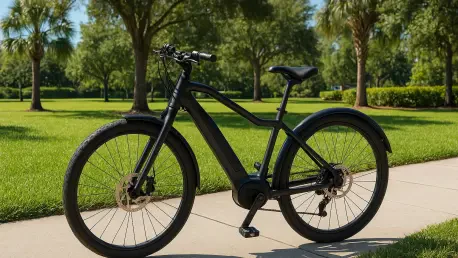

Educational initiatives like school-based bike rodeos are being paired with new legislation to ensure young riders understand the risks of operating motorized transport. Orange County, Florida, is currently navigating a pivotal transition in its local transportation landscape as electric micromobility devices become a staple of daily commuting and recreational activity. The rapid proliferation of these vehicles has outpaced existing legal frameworks, leaving a significant void in how high-powered machines are managed on public infrastructure. Local officials are now stepping forward with a comprehensive ordinance designed to clarify the rules of the road and the sidewalk, focusing on the protection of pedestrians and the safety of younger operators. This legislative movement is not merely a reaction to technology but a necessary response to the evolving ways residents navigate their communities. By addressing the overlap between traditional bicycles and motorized transport, the county aims to establish a sustainable model that preserves the utility of electric bikes while curtailing the dangers associated with their misuse in high-traffic pedestrian zones.
Mitigation: The Public Health Crisis
The medical community has been increasingly vocal about the alarming rise in traumatic injuries associated with high-speed electric micromobility devices. The American College of Surgeons has formally identified e-bikes and their high-powered counterparts as an emerging public health hazard, citing data that suggests a sharp increase in the severity of accidents compared to traditional cycling. Unlike conventional bicycles, which rely on human power and generally lower speeds, e-bikes allow inexperienced riders to maintain velocities that dramatically amplify kinetic energy during a collision. This shift has resulted in a higher frequency of traumatic brain injuries, internal organ damage, and complex orthopedic fractures that require intensive surgical intervention. Medical experts note that the lack of standardized training for operators, combined with the accessibility of these devices to minors, has created a volatile environment where the risks often outweigh the benefits of convenient transportation.
The call for stricter regulation is further bolstered by a series of local tragedies that have left a lasting impact on the Orange County community. Board members and safety advocates have pointed to specific instances where young riders, operating vehicles capable of reaching nearly 30 miles per hour, were involved in fatal or life-altering crashes. These incidents have highlighted the inadequacy of current zoning and traffic laws, which often fail to distinguish between a low-power pedal-assist bicycle and a high-speed electric motor vehicle. The proposed ordinance seeks to honor the memory of those affected by implementing proactive measures that reduce the likelihood of such events. By viewing the issue through the lens of public health, the county is prioritizing the physical well-being of its citizens over the convenience of unregulated speed. This approach signals a shift toward a more protective regulatory environment where the safety of children and pedestrians is the non-negotiable foundation of urban planning.
Technical Classification: E-Bikes Versus E-Motos
A central pillar of the proposed ordinance is the establishment of clear, technical definitions that align local rules with Florida state statutes while adding necessary refinements for high-powered machines. Under the new framework, e-bikes are categorized into three distinct classes based on their motor assistance and maximum speed. Class 1 and Class 2 e-bikes are restricted to a top speed of 20 miles per hour, with the former requiring pedaling and the latter offering a throttle. Class 3 e-bikes, which are intended for more experienced riders, can reach up to 28 miles per hour but must be pedal-assisted. A critical requirement for any device to be classified as an e-bike is the presence of fully operable pedals. This technical detail is vital for law enforcement, as it provides a clear visual and mechanical standard to differentiate between a bicycle and a motorized vehicle, ensuring that only appropriate devices are allowed on trails and shared paths.
In contrast to standard e-bikes, the ordinance introduces a specific classification for “e-motos,” which are essentially electric motorcycles that have previously operated in a legal gray area. These devices often lack functional pedals and possess motors that exceed the 750-watt limit set for electric bicycles. By defining e-motos separately, the county is effectively removing them from sidewalks and non-motorized trails. These high-powered vehicles will now be required to adhere to the same standards as traditional gas-powered motorcycles, including mandatory registration, insurance, and licensing for the operator. This move targets the growing trend of manufacturers installing decorative or non-functional pedals on high-speed machines to bypass safety regulations. By closing this loophole, Orange County ensures that any vehicle capable of high speeds and heavy acceleration is confined to the roadway, where the infrastructure is better equipped to handle the physical demands and risks of motorized traffic.
Behavioral Standards: Operational Speed Limits
The proposed ordinance shifts the regulatory focus from the mechanical nature of the device to the behavior of the operator, acknowledging that safety is often a matter of how a vehicle is used rather than what it is. Technology in the micromobility sector evolves at a rapid pace, with new devices like electric skateboards and unicycles appearing on streets every year. To keep the legislation relevant, the county is proposing strict behavioral standards that apply across the board, regardless of the specific technology being utilized. This strategy ensures that the rules remain enforceable even as new gadgets enter the market. The primary objective is to cultivate a culture of responsibility among riders, emphasizing that the privilege of using public space comes with the obligation to respect the safety of others, particularly those who are walking or using manual transport.
At the heart of these behavioral rules is the implementation of strict speed limits tailored to the environment. To protect pedestrians, the ordinance mandates a maximum speed of 10 miles per hour for any micromobility device operating on a sidewalk or shared-use path. This limit is designed to provide operators with sufficient reaction time to avoid collisions in unpredictable pedestrian environments. On public roads and designated bike trails, the speed limit is set at 28 miles per hour, aligning with the capabilities of Class 3 e-bikes. Furthermore, the proposal explicitly prohibits reckless maneuvers such as “street takeovers,” wheelies, and other stunts on public property. These activities are viewed as significant distractions and hazards that endanger both the rider and bystanders. By setting clear boundaries for acceptable conduct, the county hopes to reduce the number of preventable accidents and ensure that public spaces remain welcoming for residents of all ages.
Strict Enforcement: Parental Accountability
To ensure that the new regulations are more than just suggestions, the ordinance provides law enforcement officers with expanded authority to handle violations. This includes the power to issue citations and levy financial penalties against riders who exceed speed limits or engage in prohibited behaviors. One of the more significant deterrents included in the proposal is the ability for the county to impound devices that are being operated in a dangerous manner or that have been improperly classified to evade motor vehicle laws. The prospect of losing an expensive piece of equipment is intended to serve as a strong incentive for riders to comply with the rules. The county believes that consistent enforcement is necessary to change the current “wild west” atmosphere surrounding electric transport and to demonstrate that public safety is a top priority for local government.
A unique feature of this legislation is the inclusion of parental responsibility clauses, which hold guardians accountable for the actions of their minor children. Recognizing that many of the most dangerous behaviors are exhibited by young riders who may not fully grasp the consequences of their actions, the ordinance allows for fines and citations to be issued to parents in the event of repeated violations. This provision is designed to encourage parents to take an active role in educating their children about traffic safety and the proper use of motorized equipment. It also addresses the reality that many high-speed e-bikes are purchased by adults for their children without a complete understanding of the legal or physical risks involved. By placing a degree of liability on the household, the county aims to foster a more informed and cautious generation of riders, ensuring that the transition to electric mobility does not come at the cost of community safety.
Legislative Landscape: Advocacy and Education
The move toward local regulation in Orange County is occurring against a backdrop of complex state-level politics. Earlier this year, a legislative effort to track and report micromobility crash data was vetoed at the state level, leaving local municipalities to gather their own evidence and form their own safety protocols. This lack of a unified state-wide mandate has placed the burden of leadership on counties like Orange, which are seeing some of the highest rates of e-bike adoption in the region. Advocacy groups, such as Bike/Walk Central Florida, have been instrumental in supporting these local efforts, providing expert testimony and pushing for rules that prioritize the most vulnerable road users. These organizations argue that in the absence of state action, local ordinances are the most effective tool available to prevent further tragedies and to create a structured environment for new transportation technologies.
Beyond the legal text, the county is emphasizing the importance of community education as a long-term solution to safety concerns. Programs like school-based bike rodeos and safety clinics are being integrated into the broader strategy to ensure that riders of all ages understand how to navigate their environment safely. These initiatives provide practical, hands-on training that covers everything from helmet use to the proper way to yield to pedestrians. The goal is to move beyond a purely punitive system and instead create a community where safety is a shared value. By combining education with enforcement, Orange County is positioning itself as a leader in the responsible integration of electric micromobility. This dual approach is seen as the most viable path forward, balancing the demand for modern, eco-friendly transportation with the fundamental necessity of protecting public health and maintaining order on the streets.
Future Considerations: Sustainable Urban Mobility
The proposed framework for Orange County represented a significant step toward a more organized and safer urban environment. By the time these rules were debated, it was clear that the era of unregulated high-speed micromobility had reached its limit. The county successfully identified that the distinction between a bicycle and a motor vehicle was not just a technicality but a critical safety barrier. The transition to behavior-based enforcement allowed for a more flexible approach that could adapt to the rapid innovation of the electric vehicle market without requiring constant legislative updates. This foresight ensured that as new devices appeared, the primary goal of pedestrian protection remained intact. The focus on speed caps and the prohibition of stunts provided law enforcement with a clear mandate to intervene before accidents occurred, effectively cooling the tensions between different types of road and sidewalk users.
Moving forward, the integration of these rules should be viewed as a blueprint for other jurisdictions facing similar challenges. The actionable next steps involve the continuous monitoring of accident data and the adjustment of infrastructure to better accommodate the different classes of electric vehicles. This may include the expansion of protected bike lanes that can safely handle Class 3 speeds, thereby removing high-speed traffic from sidewalks entirely. Furthermore, continued partnership with educational institutions will be essential to maintain a high level of awareness among young riders. As the county moves toward a more electrified transport grid, the success of this ordinance will depend on the consistent application of its principles and the willingness of the community to embrace a more disciplined approach to mobility. The long-term insight gathered from this process suggests that safety and innovation can coexist, provided there is a firm legal foundation that prioritizes human life above all else.