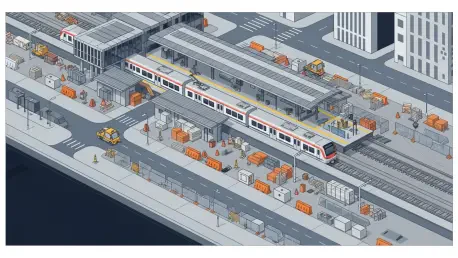

The Puget Sound region currently faces a critical juncture where the ambition of rapid transit expansion meets the inevitable reality of aging infrastructure upkeep. Sound Transit officials recently unveiled a comprehensive proposal that would see temporary but significant service reductions beginning in early 2027 to address a mounting backlog of critical repairs. This initiative targets several key corridors of the Link light rail system, particularly the older segments that have weathered decades of constant use and environmental stress. As the regional network prepares to grow toward the Eastside and South King County, the agency argues that a proactive approach is necessary to prevent catastrophic failures later. These planned disruptions reflect a shift in priority from pure growth to operational resilience, forcing a difficult dialogue between city planners and daily commuters who rely on the reliability of the light rail. This strategy signals a new era of transit management where sustainability takes precedence over immediate convenience.
Technical Requirements for System Integrity
At the heart of the proposed 2027 service cuts lies a series of complex engineering projects that cannot be safely or efficiently completed during the short nightly windows when trains are not running. One of the most pressing concerns involves the replacement of worn-out plinths—the concrete structures that support the rails—within the Downtown Seattle Transit Tunnel. Decades of heavy vibration and water ingress have compromised these supports, leading to speed restrictions that already hamper daily operations. Furthermore, the overhead catenary system requires extensive modernization to ensure it can handle the increased electrical load of a fully expanded fleet. Engineers pointed out that deferring these tasks any longer would result in unplanned emergency closures that would be far more disruptive to the public than a scheduled maintenance window. By consolidating these high-impact tasks into a focused period, the agency aims to maximize the longevity of the existing rail infrastructure for the next few decades of use.
Coordinating these maintenance windows requires a delicate balance between engineering requirements and the regional schedule for opening new light rail extensions. Sound Transit planners selected the 2027 timeframe because it precedes the anticipated surge in ridership associated with future line completions toward the north and south. Executing the most invasive work now ensures that when the system reaches its full regional capacity, the core segments will be capable of supporting high-frequency service without frequent technical interruptions. This proactive scheduling also allows for the synchronization of various projects, such as signal upgrades and station refurbishments, which are often handled by different contractors. This holistic approach reduces the total number of days the system must operate at reduced capacity. The agency emphasized that while the short-term impact on travel times will be palpable, the alternative is a crumbling network that fails to meet the basic expectations of a modern metropolitan area for commuters.
Strategic Implications for Regional Mobility and Reliability
To mitigate the impact on the hundreds of thousands of daily riders, Sound Transit is developing a robust mitigation plan that includes enhanced bus bridges and increased frequency on alternative routes. During the periods of single-tracking or localized station closures, specialized shuttle buses will mirror the rail path to maintain connectivity between major hubs. Communication strategies are also being overhauled to provide real-time updates and clear signage to help commuters navigate the changing landscape. Transit advocates have expressed concerns about the burden placed on low-income communities who lack alternative transportation options, prompting the agency to prioritize frequency in those specific areas. The success of these efforts depends on the seamless integration of Sound Transit services with local partners like King County Metro and Community Transit. By fostering these inter-agency partnerships, the region can maintain a semblance of normalcy despite the heavy construction requirements that will dominate the environment throughout the year.
The planning phase for these 2027 maintenance cycles established a clear blueprint for how the region intended to safeguard its multibillion-dollar transit investment. Transit officials conducted extensive public outreach to gather feedback on service priorities, ensuring that the final schedule reflected the needs of the most vulnerable commuters. They finalized a series of actionable recommendations that included the pre-positioning of maintenance equipment and the early procurement of long-lead materials to avoid construction delays. This forward-thinking strategy moved away from reactive repairs and instead embraced a model of predictive maintenance that leveraged data analytics to identify potential failure points before they occurred. By the time the proposal reached the final approval stage, a consensus had emerged that temporary sacrifices in frequency were a necessary trade-off for long-term reliability. These steps provided a framework for future projects, highlighting the importance of including lifecycle costs in every plan.