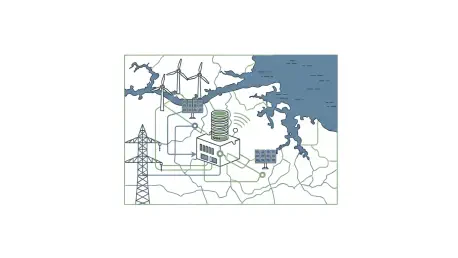

The rapid expansion of generative artificial intelligence and high-density cloud computing has transformed the digital landscape from a perceived intangible ether into a sprawling network of industrial-scale physical facilities. These data centers, once relegated to the status of background infrastructure, are now emerging as the primary focus of a sophisticated new wave of environmental litigation that challenges the long-held assumption of digital exceptionalism. As these facilities increasingly compete with local communities for limited water supplies and stress national power grids to their breaking points, legal experts are witnessing a fundamental shift in how climate-related lawsuits are structured and argued. No longer content with targeting traditional polluters like coal plants or chemical manufacturers, litigants are setting their sights on the very engines that power our modern digital lives. This new legal frontier forces a reckoning between the insatiable demand for technological growth and the finite capacity of our planet to sustain such rapid industrial expansion.
Theoretical Evolution: A New Framework for Digital Infrastructure
The legal landscape surrounding data centers is currently undergoing a significant evolution characterized by three distinct schools of thought regarding environmental accountability. The first perspective argues that traditional environmental doctrines, such as the precautionary principle, are simply being redirected toward a new and rapidly expanding industry. Under this view, data centers are treated like any other heavy industrial project that must prove its footprint does not cause irreparable harm to the surrounding ecosystem. However, a second, more strategic view focuses on the concept of carbon lock-in, where the construction of a massive data hub represents a long-term commitment to high energy demand that may span several decades. This perspective suggests that building such facilities can effectively trap a region into a specific energy trajectory, potentially making it impossible to pivot toward more sustainable goals without abandoning existing infrastructure investments.
A third and even more transformative legal perspective focuses on the concept of societal compatibility, which asks the judiciary to move beyond assessing the localized impact of a single project. This approach encourages judges to consider the big picture, questioning whether the placement of a massive digital hub aligns with the broader public needs of a community or a nation. For instance, in regions where water scarcity is a persistent threat, the legal system is increasingly being used to determine if a data center’s cooling requirements should take priority over agricultural irrigation or residential consumption. This treats the data center not as an isolated commercial venture, but as a deeply integrated component of a complex social and environmental system. By shifting the focus from individual compliance to systemic harmony, this school of thought represents a significant departure from historical industrial law and places technology within the same limits as other physical resources.
Precedent: The Hydrological Impact in Chile
A landmark legal battle in Chile regarding a major Google data center project has established a critical precedent for how climate change is handled within the courtroom. The project originally received environmental approval based on plans to extract groundwater from an aquifer located in a region that has been suffering from a decade-long drought. Despite the company proposing a significant technical adjustment to switch from water-based cooling to air-cooled systems, the court intervened with a ruling that fundamentally altered the requirements for environmental impact assessments. The court determined that the original approval process was insufficient because it relied primarily on historical water data rather than looking forward at future climate projections. This was a clear signal that the era of relying on past environmental stability was over, and that companies must now prove their projects can withstand the specific pressures of a warming world.
This judicial decision marks a pivotal turning point in climate litigation by elevating future environmental conditions from a minor detail to a core legal requirement. By forcing regulators and corporations to account for how climate change will affect resource availability decades into the future, the Chilean court has introduced a new level of rigor into the development process. It sends an unmistakable message to the global technology sector that technical fixes and efficiency improvements, while valuable, may not be enough if the foundational environmental review ignores the long-term reality of a changing planet. As a result, developers are now finding that they must provide sophisticated hydrological modeling that accounts for declining precipitation levels and rising temperatures. This case has effectively bridged the gap between scientific climate forecasting and binding legal obligations, ensuring that future projects are vetted against the actual conditions they will face during their operational lifespan.
Energy Sovereignty: Managing the Cumulative Strain on Power Grids
In Ireland, the focus of climate litigation has pivoted from water usage to the stability and carbon intensity of the national electricity grid. Data centers in the country now consume more than twenty percent of the total available electricity, which has created an immense challenge for meeting national decarbonization targets. Advocacy groups and environmental organizations have initiated legal challenges against the government, arguing that allowing the sector to expand without strict limits makes it practically impossible to adhere to legally binding carbon budgets. The core of this legal argument revolves around the cumulative impact of the entire industry rather than the specific emissions or energy use of any single facility. This represents a move toward holistic planning where the total capacity of the grid is managed as a finite public resource that cannot be entirely dominated by one specific commercial sector.
This Irish litigation model demonstrates that the digital economy is no longer viewed as a specialized industry that is exempt from the strictures of national environmental policy. When the growth of a single sector threatens to derail a country’s entire strategy for reaching zero-emissions targets, the courts are being asked to decide if the collective cost to society is simply too high to justify. This systemic approach to litigation suggests that technological innovation does not provide a company with an inherent right to bypass the physical and logistical limits of a nation’s existing energy infrastructure. Consequently, the focus has shifted toward requiring data center operators to provide their own dedicated renewable energy sources or to participate in grid-balancing schemes that prioritize residential needs during peak demand. The legal system is thus becoming a tool for enforcing energy sovereignty, ensuring that the digital world operates within the physical bounds of what the grid can safely and sustainably provide.
Judicial Oversight: The Changing Role of Courts in Resource Allocation
As these high-stakes cases move through the judicial systems of various nations, judges are increasingly finding themselves forced into the role of resource managers. Historically, the task of deciding who received priority access to water, land, or electricity was left to government administrators and utility operators who worked within bureaucratic frameworks. However, as these resources become increasingly scarce due to the combined pressures of industrial growth and climate change, the judiciary is being called upon to make substantive choices. Courts must now weigh the economic benefits of a multi-billion-dollar tech investment against the essential needs of local communities and the long-term health of the environment. This represents a significant expansion of judicial influence, as legal rulings now directly shape the industrial and ecological future of entire regions through the allocation of vital public resources.
The shift in judicial responsibility has profound implications for regions like Central Europe, where countries are currently competing to attract massive technology investments while simultaneously trying to green their domestic industries. If national governments fail to provide clear and transparent plans for how limited electricity and water will be shared, the courts will inevitably become the final arbiters of those decisions. This lack of clear policy creates a climate of uncertainty that can actually deter responsible investment, as companies fear that a project approved by a government agency could later be halted by a judicial ruling. The era of digital exceptionalism, where technology projects were fast-tracked due to their modern appeal, is rapidly ending. Law is beginning to hold the virtual world accountable to the physical reality of the planet, requiring a level of transparency and resource planning that was previously reserved for the most traditional and polluting industries.
Strategic Imperatives: Navigating the Intersection of Technology and Ecology
To thrive in this new legal environment, technology companies must adopt a proactive strategy that moves beyond simple regulatory compliance and toward genuine ecological integration. This involves the implementation of advanced cooling technologies that minimize or eliminate water consumption, such as closed-loop liquid cooling or innovative heat-reuse systems that provide warmth to local communities. Furthermore, data center developers must engage in deep collaboration with utility providers to ensure that new facilities are matched with an equivalent increase in local renewable energy capacity. By becoming active participants in the greening of the power grid rather than just passive consumers of electricity, these companies can mitigate the risks of litigation. Clear communication with local stakeholders and a commitment to transparency regarding resource usage are no longer optional extras but are essential components of a successful and legally resilient project development strategy.
The era of unchecked digital expansion eventually encountered the hard physical limits of a warming planet as courts established firm boundaries for resource consumption. Legal strategies matured to reflect a reality where technology was no longer seen as a weightless utility but as a heavy industrial sector with significant ecological obligations. Companies that proactively integrated climate resiliency into their fundamental design paradigms successfully mitigated their litigation risks while those that ignored local hydrological and energetic constraints faced costly delays and project cancellations. Governments realized that waiting for the judiciary to manage resource scarcity was an inefficient way to govern, leading to more robust legislative frameworks for digital growth. Ultimately, the integration of long-term environmental forecasting into industrial planning became the standard operational procedure for the entire sector. These developments ensured that the digital economy contributed to, rather than detracted from, the global effort to maintain a stable climate for future generations.