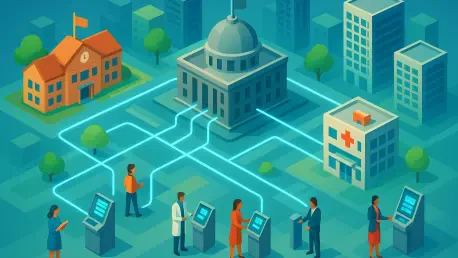

The Milburn Review aims to utilize enhanced data connectivity to link young people with critical employment and training opportunities across their local regions. This strategic pivot reflects a broader shift toward digital devolution, where central authorities transfer technological oversight to regional leaders who possess a granular understanding of their community’s unique needs. By empowering local governments with the tools to manage their own digital ecosystems, the initiative seeks to eliminate the disconnect between national policy and local reality. Currently, regional councils are leveraging sophisticated data-sharing protocols to identify skill gaps and match them with real-time labor market demands. This approach not only streamlines the transition from education to employment but also ensures that public funding is directed toward high-impact programs. As municipal leaders gain greater control over their digital infrastructure, they are better positioned to foster innovation and drive economic growth within their specific regions.
Transforming Local Governance Through Data Integration
Digital Empowerment: Real-Time Analytics in Action
Municipalities are increasingly deploying centralized data platforms that aggregate information from diverse sources, including traffic sensors, air quality monitors, and public utility meters. This integration allows local administrators to make informed decisions based on empirical evidence rather than historical projections. For instance, smart traffic management systems now utilize predictive algorithms to adjust signal timings in response to real-time congestion, significantly reducing commute times and carbon emissions. Furthermore, these platforms enable more efficient management of public housing and infrastructure maintenance by predicting failures before they occur. By decentralizing the control of these systems, local authorities can tailor solutions to the specific geographic and demographic challenges of their regions. The result is a more responsive and agile public sector that can adapt to changing conditions with speed. This technological empowerment serves as the cornerstone of governance.
Service Integration: Breaking Down Institutional Silos
Breaking down the traditional silos between different public service departments remains a primary objective of the current digital devolution strategy. By implementing interoperable software solutions, health services, social workers, and educational institutions can now share critical data securely and instantaneously. This holistic view of the individual ensures that vulnerable citizens receive comprehensive support tailored to their specific circumstances. For example, if a student begins to struggle academically, linked data systems can alert social services to potential issues at home, allowing for early intervention that prevents more serious problems later. The transition toward shared digital workspaces also reduces administrative overhead, as local officials no longer need to navigate fragmented systems to access necessary information. These collaborative frameworks foster a culture of transparency and accountability, ensuring that public resources are utilized effectively to improve well-being.
Infrastructure and Cybersecurity in a Decentralized Landscape
Network Security: Resilience at the Decentralized Edge
As local authorities assume greater responsibility for their digital infrastructure, the need for robust cybersecurity measures at the regional level has become paramount. Current initiatives prioritize the deployment of edge computing architectures, which process data closer to the source rather than relying on centralized national servers. This decentralized approach not only improves system performance but also enhances security by limiting the impact of potential data breaches. Localized threat intelligence centers are being established to monitor regional networks for suspicious activity, providing a tailored defense against cyber threats that specifically target municipal services. By investing in advanced encryption and multi-factor authentication protocols, regional leaders are building a resilient digital foundation that protects sensitive citizen data. This focus on security is essential for maintaining public trust as more services move online, ensuring that local teams can manage these systems.
Strategic Evolution: Establishing a Sustainable Framework
The implementation of digital devolution necessitated a fundamental rethink of how public services were structured and delivered. Stakeholders discovered that localizing the management of digital assets led to higher efficiency and improved public satisfaction ratings across various sectors. To sustain this momentum, regional leaders recognized the need to prioritize the ongoing training of their workforce, ensuring that public employees remained proficient in emerging technologies like artificial intelligence. They also focused on establishing clearer data governance frameworks that balanced innovation with privacy protection. Moving forward, it was essential for local authorities to collaborate with private sector partners to co-create solutions that addressed specific community challenges. By fostering an environment of continuous improvement and adaptation, municipalities ensured that their digital infrastructure remained robust. This proactive approach allowed local governments to transition from reactive providers to architects of prosperity.