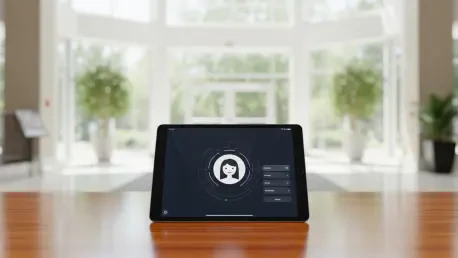

Modernizing public service often involves overcoming entrenched bureaucratic hurdles that have historically left citizens struggling with confusing forms and lengthy response times for basic record requests. In Morris County, New Jersey, a significant milestone has been reached with the deployment of the state’s inaugural generative artificial intelligence assistant specifically tailored for the Clerk’s Office. This sophisticated digital tool transitions the department from a traditional, static information model to an interactive, conversational experience that provides immediate and accurate guidance to the public. By utilizing advanced natural language processing, the system bridges the gap between complex legal requirements and the practical needs of residents. This initiative serves as a critical blueprint for local governments seeking to enhance operational efficiency while maintaining the high standards of accuracy required for public land records and legal documentation in a modern digital landscape. The implementation reflects a commitment to ensuring that information is no longer hidden behind jargon.
Digital Innovation in Public Service
Streamlining Constituent Access to County Records
The implementation of this AI assistant focuses on streamlining the way constituents access the extensive databases maintained by the County Clerk, ranging from property deeds to election results. For many years, navigating these records required a specialized understanding of database architecture or direct assistance from county staff members. The new conversational interface allows users to inquire in plain English, receiving responses that are contextually relevant and grounded in official protocols. For example, a resident seeking to understand the process for filing a trade name or renewing a notary commission can now receive a step-by-step walkthrough instantly. This shift from keyword-based searches to semantic understanding significantly reduces the time spent on administrative inquiries. Furthermore, by automating these routine interactions, the Clerk’s Office can reallocate human resources toward more complex tasks that require personalized attention and expert legal review while maintaining high service standards.
Accuracy and Localization in Legal Guidance
Beyond basic information retrieval, the AI is programmed to handle the specific nuances of Morris County’s regulatory environment, ensuring that the guidance provided is consistently accurate and up-to-date. In New Jersey, where administrative rules can be exceptionally detailed, having a localized AI model ensures that citizens do not receive generic or incorrect legal information. The system underwent rigorous training on official schedules, legislative changes, and procedural mandates to ensure it reflects current laws. This localized approach is vital for maintaining the integrity of public records, as even minor filing errors can lead to significant legal complications or financial delays for property owners. By providing 24-hour support, the AI effectively expands the availability of county services, allowing residents to obtain necessary information outside of traditional business hours, which fosters a more inclusive and accessible government for those with restrictive schedules and varying professional needs.
Security Standards and Long-Term Implementation
The successful integration of this generative tool demonstrated that local governments could leverage automation to improve citizen engagement without sacrificing the security of official records. In the coming years, the Clerk’s Office planned to expand these capabilities by incorporating multi-language support and integrating the assistant with more diverse archival systems to provide a truly comprehensive digital experience. Municipal leaders elsewhere should observe this model as a practical example of how to modernize legacy systems to meet the expectations of a tech-savvy public. The project proved that the strategic application of artificial intelligence could bridge the divide between complex bureaucracy and user-friendly service. By focusing on localized data and secure frameworks, Morris County established a new standard for civic technology. The transition underscored the importance of forward-thinking leadership in navigating the digital demands of the current era for all public agencies across the entire state.