Imagine a world where an autonomous AI system, designed to optimize traffic flow, malfunctions and causes a massive pile-up on a major highway, leading to countless injuries, a scenario that isn’t a distant sci-fi plot but a potential reality that lawmakers in California and New York are striving

In a world where artificial intelligence decides who gets a loan, diagnoses illnesses, and even influences criminal justice, a chilling question emerges: who watches the watchers? Picture a hospital AI misdiagnosing a patient due to unseen bias in its training data, or a hiring algorithm quietly

Setting the Stage for AI in Governance Imagine a political landscape where complaints about campaign tactics, such as intrusive robocalls, are addressed not by human officials but by an algorithm in mere seconds, marking a significant shift in how governance operates. This scenario is no longer a

Imagine a world where government services anticipate needs before they are even expressed, where traffic congestion is predicted and mitigated before rush hour, and where public health crises are tracked with pinpoint accuracy to save lives. This is no longer a distant vision but a tangible reality

In an age where cyber threats loom larger than ever, state and local governments across the United States find themselves at a critical juncture, grappling with unprecedented risks to essential infrastructure and public services. From devastating ransomware attacks to sophisticated breaches powered
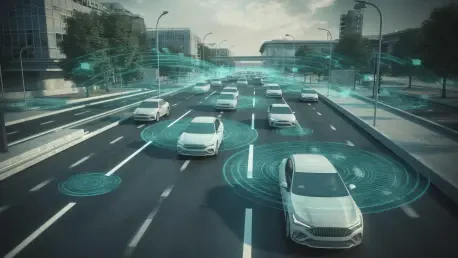
Autonomous vehicles (AVs) have become increasingly prevalent in urban landscapes, redefining transportation paradigms while simultaneously presenting new challenges in traffic management and road safety. One poignant example of their integration into cityscapes is found in Austin, Texas, where