

The rapid acceleration of federal technology has reached a historic milestone as the U.S. Department of Transportation dismantles decades of procedural delay through a high-octane integration of artificial intelligence. This technological pivot marks a new era where public service efficiency

The rapid contraction of the Office of Personnel Management has evolved from a targeted administrative reorganization into a full-scale test of whether a modern government can function effectively after losing more than a third of its most experienced human resources experts. This dramatic 35%

The transformation of global trade from a predictable set of logistics routines into a high-stakes instrument of geopolitical strategy has fundamentally altered how successful enterprises must approach regulatory oversight. For decades, the movement of goods across borders operated under a veil of

The digital architecture supporting state unemployment benefits often resembles an aging skyscraper that has been held together by nothing more than rusted bolts and hope for over half a century. For decades, the public sector operated under the assumption that if a system was not completely
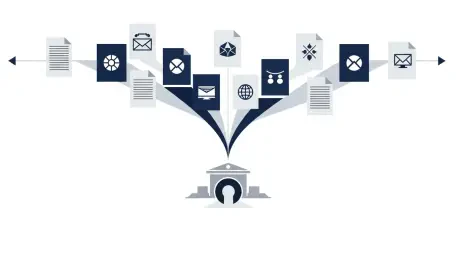
Public service delivery has undergone a fundamental shift as government agencies move away from the administrative failures of the past and toward a digital-first governance model. The era of the "administrative train wreck," characterized by massive backlogs and inaccessible services, has reached

The digital battlefield has fundamentally shifted from a theater of human-led skirmishes to a landscape where autonomous systems orchestrate the most sophisticated breaches without any meaningful manual oversight. This transition marks a departure from the era when artificial intelligence served