

The recent allocation of federal funds from the Centers for Medicare and Medicaid Services is designed to provide long-term sustainability for Alabama's struggling rural hospitals. Governor Kay Ivey has signaled a new era for public health by directing $144 million toward the Alabama Rural Health

The Congressional Budget Office projects that as many as 7.5 million Americans could lose their healthcare coverage by 2034 due to these rigorous new eligibility requirements. As the clock ticks toward the January 1, 2027, implementation deadline, state governments find themselves in a frantic race

Official Metropolitan Transportation Authority records for the first half of 2026 reveal a staggering $35.7 million revenue shortfall across the city's bus network. This financial chasm represents more than just an accounting error; it marks a fundamental clash between Mayor Zohran Mamdani’s vision
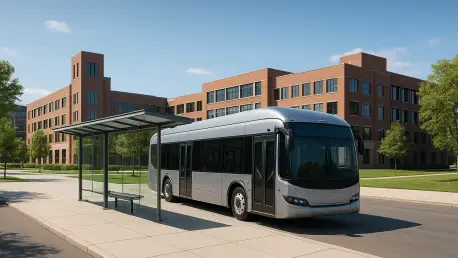
Academic retention is now at the center of the transit debate as students in lower-income brackets struggle to manage the increased costs of daily commuting to campus. The decision by Cleveland State University to allow its partnership with the Greater Cleveland Regional Transit Authority to expire

Tokyo is pioneering a doctrine of overall national strength that integrates advanced military technology with industrial policy and economic security to ensure long-term regional stability. This pivot represents the most significant transformation in the nation's post-war trajectory, moving away

The Ministry of Planning and Budget has revealed plans to increase government spending by 90 trillion won in a single year to address systemic structural issues. This aggressive fiscal pivot signals a significant departure from the conservative spending models that have historically defined the