

Today, we’re thrilled to sit down with Donald Gainsborough, a political savant and leader in policy and legislation, who heads Government Curated. With his deep expertise in government technology and accessibility, Donald offers invaluable insights into the pressing challenges and opportunities

As we dive into the transformative potential of artificial intelligence in state and local government, I’m thrilled to sit down with Donald Gainsborough, a political savant and leader at Government Curated. With his deep expertise in policy and legislation, Donald has been at the forefront of

As we dive into the world of civic technology and digital accessibility, I'm thrilled to sit down with Donald Gainsborough, a political savant and leader in policy and legislation at the helm of Government Curated. With his extensive expertise, Donald has been instrumental in shaping how government
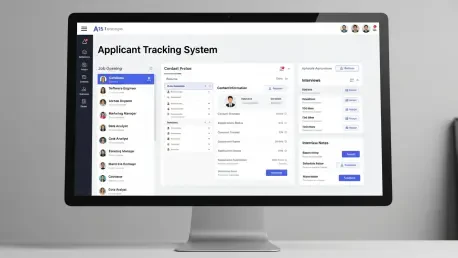
Imagine a local government struggling to fill critical positions, with hiring processes dragging on for nearly a year, leaving staff overwhelmed and public services delayed, a scenario that highlights the urgent need for efficient recruitment solutions. Applicant Tracking Systems (ATS) have emerged

Imagine a state gearing up for an important election, only to find tens of thousands of voter applications trapped in a digital quagmire, risking the democratic rights of countless citizens and creating widespread frustration. This is the reality unfolding in Texas, where the rollout of the updated

Imagine a city where traffic flows seamlessly, public inquiries are resolved in seconds, and urban planning decisions are driven by precise, data-backed predictions, transforming the way municipalities operate. This is not a distant dream but a reality unfolding in municipalities that have embraced