
Global trade frameworks are undergoing a radical metamorphosis as the traditional pursuit of raw volume gives way to a sophisticated focus on decarbonization and ethical industrial integration. The launch of the Clean Trade and Investment Partnership (CTIP) between the European Union and South Africa serves as a primary example of this evolution, shifting the focal point from simple tariff reduction to a comprehensive alignment of climate goals and economic growth. This new era of cooperation aims to do more than just facilitate exchange; it seeks to modernize entire industrial value chains by integrating sustainability into the core of the bilateral relationship. By moving away from extractive economic models, the CTIP establishes a precedent for how developed and developing nations can synchronize their regulatory environments to foster long-term energy security and environmental responsibility. This partnership represents a fundamental change in how international trade can be harnessed to address the requirements of a warming planet while ensuring industrial competitiveness.
Reimagining Economic Cooperation Through Sustainability
Strategic Alignment and Investment Stability
Establishing a predictable regulatory landscape is essential for the massive capital expenditures required for large-scale renewable energy and green infrastructure projects across the region. The CTIP addresses this by creating a unified framework that streamlines technical standards and investment rules between the European Union and South Africa, thereby reducing the bureaucratic friction that often stalls international industrial ventures. When investors face a maze of conflicting regulations, they tend to demand higher risk premiums, which can make essential green projects prohibitively expensive or even unfeasible in the long run. By harmonizing these guidelines, the partnership provides the long-term certainty necessary for private equity and institutional investors to commit substantial resources to emerging green technologies. This stability is not merely about convenience; it is a strategic tool designed to lower the cost of capital and accelerate the deployment of advanced technologies like carbon capture.
Beyond legal harmonization, the partnership emphasizes a joint commitment to transparent governance and the protection of long-term investments through robust dispute-resolution mechanisms. This focus on institutional integrity ensures that the transition to a low-carbon economy is not undermined by political shifts or economic volatility that could otherwise deter international participation. As South Africa works to rebuild its industrial base, the presence of a clear, mutually agreed-upon roadmap with the EU provides a sense of security that extends to both multinational corporations and local medium-sized enterprises. This collaborative environment encourages the formation of joint ventures, where European technological expertise meets South African industrial capacity, creating a symbiotic relationship that goes beyond mere financial transactions. By fostering an ecosystem of trust and predictability, the CTIP allows for the phased implementation of complex projects that might take decades to fully mature.
Global Shifts and Supply-Chain Resilience
The global economy is currently navigating a period of profound restructuring as major powers seek to de-risk their supply chains and reduce their dependence on single-source providers of essential goods. The CTIP is a strategic response to this trend, positioning South Africa as a key node in the European Union’s effort to diversify its industrial inputs and secure its energy future through sustainable partnerships. Rather than continuing the historical pattern of buyer-seller relationships centered on raw commodities, this framework promotes a deeply integrated industrial model that prioritizes resilience and ethical sourcing. This transition is particularly critical for “hard-to-abate” sectors such as steel and heavy manufacturing, where the shift to carbon-neutral production requires a steady and reliable supply of green energy and specialized raw materials. By fostering these deep ties, the EU ensures that its path toward carbon neutrality is supported by a stable network of partners.
This pursuit of resilience also involves a proactive approach to addressing the vulnerabilities exposed by recent global disruptions, highlighting the necessity of localized manufacturing and shorter logistics loops. Within the CTIP framework, there is a clear emphasis on building capacity within South Africa to handle more complex stages of the production process, which in turn reduces the environmental footprint of long-distance shipping. This localized focus not only enhances the security of supply for the European market but also contributes to the industrial stability of the southern African region by creating more robust domestic industries. As global geopolitical tensions continue to reshape trade routes, the partnership acts as a stabilizing force, ensuring that the transition to green technology is not derailed by external shocks or supply shortages. Consequently, the agreement serves as a prototype for a new kind of “green diplomacy,” where economic interests are linked to climate goals.
Building the Foundation for a Low-Carbon Economy
Modernizing South Africa’s Energy Grid
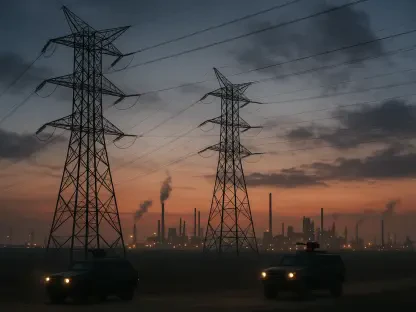
One of the most significant obstacles to a successful green transition in South Africa remains the dated and overstretched electrical grid, which currently lacks the capacity to integrate vast amounts of new renewable energy. To combat this, the CTIP prioritizes the massive undertaking of constructing approximately 14,500 kilometers of new high-voltage transmission lines through a combination of public and private investment. This modernization effort is crucial because much of South Africa’s wind and solar potential is located in remote provinces far from the industrial heartlands that consume the most power. Without a sophisticated and reliable grid, even the most ambitious renewable energy projects would remain stranded, unable to deliver clean electricity to the factories and homes that need it most. The partnership provides not just the capital but also the technical expertise from European utilities to manage the complexities of modernizing a national grid while maintaining operational stability.
Furthermore, the focus on grid infrastructure extends to the implementation of smart grid technologies and advanced energy storage solutions that are essential for managing the inherent intermittency of solar and wind power. By integrating these digital tools, South Africa can move away from its historical reliance on coal-fired baseload power, which has led to chronic electricity shortages and economic stagnation in recent years. The CTIP facilitates the transfer of knowledge regarding grid balancing and demand-side management, allowing the local utility to operate with greater flexibility and responsiveness to changing energy patterns. As these upgrades take shape from 2026 to 2030, they will create a foundation upon which private developers can confidently build new generation capacity, knowing the network can support their output. This systematic overhaul of the energy infrastructure is a prerequisite for any broader industrial success, ensuring that the country’s transition is built on a network capable of meeting demands.
Adding Value to Critical Mineral Resources
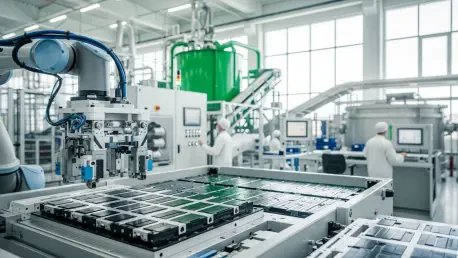
South Africa possesses an extraordinary concentration of the minerals required for the global energy transition, yet for decades, the primary economic benefit has been derived from the export of these resources in their rawest forms. The CTIP seeks to fundamentally change this dynamic by incentivizing downstream processing and the local manufacturing of high-value components, such as fuel cells and battery modules. This strategy focuses on moving South Africa up the value chain, ensuring that a larger share of the economic wealth generated by the green revolution stays within its borders to support local jobs and industrial innovation. For the European Union, this approach provides a more secure and ethical supply of critical materials like platinum and manganese, which are indispensable for its own green automotive and aerospace sectors. By supporting the development of local refineries, the partnership reduces the carbon intensity of products by processing materials closer to where they are extracted.
The final phase of this mineral strategy involved a significant investment in human capital and the alignment of educational programs with the needs of a modern green industry. Under the CTIP, there was a concerted effort to foster partnerships between European technical universities and South African vocational colleges to train a workforce capable of managing sophisticated manufacturing processes. This focus on skills development ensured that the local population could actively participate in and benefit from the new industrial opportunities created by the shift toward sustainable production. As South African companies began to produce advanced components for export, they gained access to the EU’s vast internal market under preferential terms that rewarded high environmental and labor standards. This created a powerful incentive for businesses to adopt the best available technologies, driving a cycle of continuous improvement that elevated the entire industrial landscape while contributing to global climate objectives.