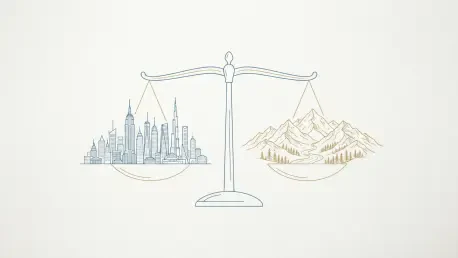

Phil Weiser’s unexpected decision to oppose Amendment 87 highlights a growing divide between Colorado’s moderate leadership and its increasingly progressive legislative base. For several decades, the Centennial State has utilized a flat 4.4% income tax rate, but this new ballot initiative seeks to replace it with a graduated, progressive system. By lowering rates for those earning under $500,000 and increasing them for the top tier of earners, the measure aims to generate approximately $2 billion annually for K-12 education, healthcare, and childcare. While the proposal is designed to provide a tax break for nearly 97% of residents, it has sparked an intense ideological battle that transcends simple party lines. The political fallout from the amendment has become most apparent through the strategic opposition of high-profile Democratic leaders. Weiser has aligned himself with the outgoing Governor in opposing the measure just before the election. This move signals a cautious approach to fiscal policy that prioritizes stability over reform.
The Ideological Rift Within the Democratic Party
A Fracture Between Moderates and Progressives
The dispute over Amendment 87 has exposed a deep rift between the moderate-libertarian wing and the progressive wing of Colorado’s Democratic establishment. Figures such as Governor Jared Polis and U.S. Senators John Hickenlooper and Ken Salazar lead the opposition, arguing that a tax hike on high earners could damage the state’s economic competitiveness. This faction often aligns with business interests that view a graduated tax as a threat to future growth. Their resistance highlights a desire to maintain Colorado’s reputation as a business-friendly environment despite the growing demand for increased public spending. This group generally believes that stability in the tax code is more valuable than the immediate injection of revenue. They argue that the sudden shift from a predictable flat tax to a multi-tiered system could lead to capital flight, where wealthy residents or businesses move to neighboring states with more favorable tax climates like Wyoming or Utah.
Beyond the simple economic arguments, this fracture reflects a broader debate about the identity of the state’s leadership in a rapidly evolving political climate. The moderate wing remains convinced that Colorado’s historical success was built on a unique blend of social liberalism and fiscal restraint. By rejecting Amendment 87, these leaders are essentially signaling to the national business community that Colorado remains a safe haven for investment. They worry that a progressive tax structure represents a slippery slope toward even more aggressive redistributive policies that could alienate the swing voters who have kept the party in power. This internal friction has created a complex landscape where traditional allies find themselves on opposite sides of the television airwaves. The opposition from the top of the ticket—specifically Weiser and Polis—suggests a cautious approach to economic policy that prioritizes stability and clear administrative frameworks over bold changes.
Champions of Social Investment and Infrastructure
In contrast, the progressive wing, led by U.S. Senator Michael Bennet and supported by the Colorado Democratic Party, views the amendment as a vital tool for social equity. These proponents argue that the current flat tax is outdated and fails to provide the necessary resources for a rapidly growing state with significant infrastructure needs. By framing the measure as a way for the wealthy to pay their fair share, they aim to address the rising cost of living for working families who have struggled with inflation and housing costs. This group sees the $2 billion in potential revenue as an essential investment in the state’s human capital, from early childhood education to broader healthcare access. They contend that a modern economy requires a modern tax code, one that recognizes the widening gap between the ultra-wealthy and the middle class. To them, the revenue is not just a collection of numbers but a lifeline for failing school systems.
Supporters of the amendment have also pointed to the long-term benefits of investing in a robust social safety net. They argue that by funding universal childcare and improving school quality, the state will create a more capable and productive workforce for the next decade. This perspective suggests that fiscal responsibility should be measured by the health and education of the populace rather than just the simplicity of the tax form. Progressive advocates have worked tirelessly to demonstrate that the tax burden for the vast majority of Coloradans will actually decrease under the new plan. They emphasize that the current system is regressive in practice because lower-income individuals spend a higher percentage of their earnings on basic necessities that are also taxed. By shifting the weight to those who have benefited most from the state’s economic boom, proponents believe they are fostering a more sustainable and inclusive future for all residents, regardless of zip code.
Misinformation and the Path Forward
Dark Money and the Campaign of Confusion
The campaign surrounding Amendment 87 has been increasingly defined by aggressive dark money spending and the spread of misleading information that has clouded the public discourse. Critics have faced significant backlash for circulating claims that the amendment would tax Social Security and veterans’ benefits—claims that supporters and independent fact-checkers have denounced as demonstrably false. The presence of these high-spending groups, often funded by anonymous donors from outside the state, has turned the tax debate into a battle of soundbites rather than a serious discussion on policy. This environment of uncertainty has made it difficult for voters to distinguish between genuine fiscal concerns and coordinated political sabotage. Such tactics are often designed to exploit the fears of seniors and veterans, two demographics that are highly active in Colorado elections. The noise created by these advertisements has often drowned out the specific details.
The tension reached a boiling point when Governor Polis echoed some of these concerns, leading to a public spat with the amendment’s backers over the potential for judicial interpretation. Proponents were quick to point out that the legislative language specifically protects certain retirement incomes, yet the Governor’s initial hesitation provided fuel for the opposition’s fire. Although he later offered a partial retraction, the damage to the proposal’s public image was already done. This internal Democratic conflict has provided a unique opportunity for opponents to claim that even the state’s highest leaders do not trust the measure’s wording. The result has been a confused electorate that is unsure of the amendment’s true impact on their personal finances. As dark money continues to flood the airwaves, the fundamental question of tax fairness has been replaced by questions of legal ambiguity. This lack of clarity has become a primary hurdle for the measure.
Finding Common Ground Amidst the Conflict
Despite the fierce disagreement over how to restructure the tax code, a surprising consensus emerged regarding the state’s spending limits and the need for more resources. Both factions of the Democratic Party signaled their support for Proposition NN, a measure that allowed the state to bypass certain Taxpayer’s Bill of Rights restrictions to fund education. This suggested that while Colorado’s leaders were fundamentally divided on the methods of tax collection, they remained unified in the belief that the state must find ways to retain more revenue for public services. The support for Proposition NN from both Phil Weiser and Michael Bennet indicated that the party still agreed on the ultimate goal, even if the road to get there was paved with ideological landmines. This shared vision for a better-funded school system provided a rare moment of clarity in an otherwise fractious election cycle. It showed that the desire to improve public infrastructure remained a core value.
The ultimate fate of Amendment 87 served as a bellwether for which faction would guide Colorado’s economic identity in the coming years. Voters were tasked with deciding between a traditional flat tax that offered stability and a graduated system that promised significant social investment. This decision forced a broader conversation about what kind of state Colorado wanted to be as it navigated the complexities of 2026 and beyond. Leaders who advocated for a more cautious approach focused on the risks of administrative confusion, while those seeking reform highlighted the moral necessity of addressing wealth inequality. This debate ensured that regardless of the final vote count, the conversation about tax equity moved to the forefront of the political agenda. Future legislative sessions were expected to grapple with these same themes as lawmakers looked for alternative ways to fund essential services without alienating the business community. The conflict ultimately redefined the boundaries of political discourse in the state.