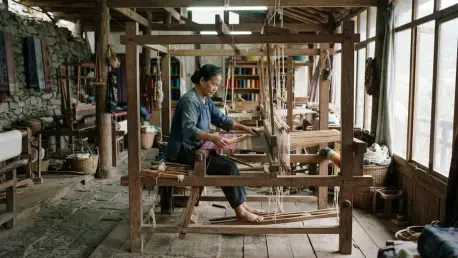

The Department of Industries is hosting outreach programs to educate local stakeholders on how to navigate the complexities of international trade and supply chains. This initiative represents a fundamental realignment of the regional economy, moving away from a traditional focus on domestic consumption toward a proactive, export-oriented manufacturing model. By 2026, the state will have already established a robust framework that allows local entrepreneurs to compete effectively on the global stage. This transition is not merely about increasing production volume but involves a comprehensive modernization of the industrial landscape, ensuring that rural craftsmanship and high-quality agricultural outputs are integrated into global value chains. The focus is now on empowering small-scale producers with the necessary branding and packaging standards required for foreign markets. By bridging the gap between local production and international requirements, the state is positioning itself as a competitive player in the global trade arena.
Strengthening Local Infrastructure
Optimizing District Administration: Structural Changes
To ensure these strategic goals are met at the ground level, the state has decentralized its economic agenda by granting district magistrates and police officials specific mandates to support local industry. This administrative reorganization requires officials to move beyond their traditional duties and take an active role in fostering a pro-business environment through monthly consultative meetings with entrepreneurs. Such an approach is vital for identifying and removing bureaucratic hurdles that historically impeded industrial growth. By resolving security concerns and infrastructure gaps in real time, the government has created a more stable and predictable environment for long-term investment. This decentralization ensures that the state’s industrial policy is not just a high-level vision but a functional reality across every district. The resulting administrative accountability has significantly reduced the time required for business approvals, allowing local manufacturers to respond more quickly to the evolving demands of the global export market.
Promoting Regional Specialization: Specialized Hubs
The revitalization of the One District One Product initiative is a cornerstone of this structural reform, designed to capitalize on the unique geographical strengths of the region. By designating a specific, distinctive product for each district, the state has been able to create specialized centers of excellence that are better equipped to handle large-scale, export-ready production. This strategy fosters regional pride while ensuring that technical training and financial resources are used to maximize the impact of localized industries. These centers provide artisans and farmers with access to shared processing facilities and quality-testing laboratories, which are essential for meeting stringent international standards. This regional specialization helps in preserving traditional skills that might otherwise be lost, while simultaneously scaling up production to meet the requirements of large international buyers. By focusing on niche strengths, the state is building a diversified yet cohesive industrial identity that projects a message of quality and reliability to global trade partners.
Expanding Product Reach
Leveraging High-Value Exports: Global Branding
Several high-value “hero products” have emerged as the vanguard of the state’s international expansion, with Geographical Indication tags providing a competitive edge for items like Shahi Lychee and Bhagalpur Silk. The region’s dominant position in the production of makhana has been further leveraged by positioning it as a premium superfood for the increasingly health-conscious international consumer base. This move requires a shift from bulk commodity exports to the development of sophisticated, retail-ready brands that can command higher prices on the international market. The state government is actively supporting these efforts by providing subsidies for modern packaging technology and helping producers navigate the complex certification processes required by foreign regulators. By emphasizing the unique history and nutritional profile of these products, the state is carving out a distinct niche in the global market. This focus on high-value items ensures that the benefits of international trade reach the primary producers, creating a more sustainable and profitable model for the state’s traditional agrarian sectors.
Developing Manufacturing Clusters: Industrial Growth
Industrial expansion is also moving beyond agriculture through the aggressive development of manufacturing clusters in urban hubs such as Gaya and Muzaffarpur. These clusters are being specifically designed to support light manufacturing and leather goods, providing the logistical and production capacity necessary to handle significant international orders. A notable success story includes the regional footwear industry’s expansion into the Russian market, which has served as a blueprint for other manufacturing sectors looking to scale globally. The government has prioritized the construction of modern industrial parks equipped with reliable utilities and streamlined transport links to major ports. These facilities reduce the operational costs for manufacturers and make the region a more attractive destination for both domestic and foreign direct investment. By creating these integrated manufacturing zones, the state is transforming its economic base and ensuring it can contribute meaningfully to broader national trade objectives, shifting from a labor-surplus region to a high-productivity manufacturing center.
Strategic Outcomes: Future Insights
The comprehensive economic reforms undertaken by the state have successfully laid the groundwork for a more resilient and globally integrated industrial sector. By fostering collaboration between district administrators and local entrepreneurs, the government effectively addressed long-standing bureaucratic and logistical challenges. The focus on high-value exports and specialized manufacturing clusters has already begun to shift the regional economic narrative toward one of innovation and quality. Looking forward, the next logical step involves the deeper integration of digital trade infrastructure to connect local producers directly with global e-commerce platforms. Strengthening the network of commercial ambassadors within the diaspora will also be crucial for identifying emerging market trends and building new trade corridors. The state’s journey toward becoming a global trade hub proved that targeted policy interventions and administrative accountability can transform traditional industries into modern economic engines. Sustaining this progress will require a continuous commitment to quality standards and the adoption of cutting-edge production technologies.