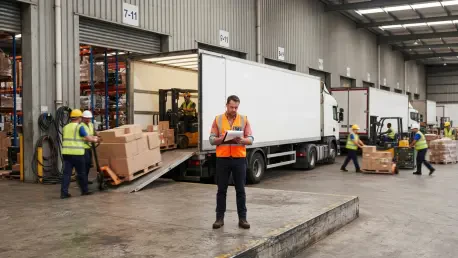

The intricate network of federal highways crisscrossing Mexico represents the fundamental lifeblood of the nation’s commercial vitality, especially as the Ministry of Infrastructure, Communications, and Transportation enacts a comprehensive shift toward a self-regulation model for heavy-duty freight. This strategic move is not merely a bureaucratic update; it is a fundamental reimagining of how the state and private transport sectors interact. By introducing the Responsible Permit Holder for Regulatory Compliance framework, the government aims to decentralize the enforcement of weight and dimension standards, placing the onus of safety and infrastructure preservation directly on the carriers. This shift reflects a maturing market where digital maturity and internal accountability are becoming the benchmarks for operational excellence.
The Evolving Landscape of Mexican Freight Transportation
The trucking industry in Mexico facilitates the movement of the vast majority of both domestic and international goods, effectively serving as the backbone of the national economy. This sector is defined by a diverse ecosystem of stakeholders, ranging from massive multinational logistics corporations to small, independent owner-operators. Each must navigate a complex set of technical standards regarding vehicle weight and dimensions, which have historically been enforced through traditional roadside inspections. However, the recent legislative pivot emphasizes a move toward professionalization, where the ability to demonstrate digital integration and operational transparency is now as essential as the physical transportation of cargo itself.
In response to growing pressures to improve road safety and maintain the integrity of aging highway infrastructure, the Ministry of Infrastructure, Communications, and Transportation (SICT) has transitioned to the Responsible Permit Holder model. This approach aims to streamline oversight by recognizing companies that maintain effective internal controls. For freight operators, the program presents a significant opportunity to formalize compliance practices and strengthen shipment traceability. While the immediate goal is regulatory adherence, the broader implication is a more efficient logistics network that prioritizes systematic planning over reactive enforcement.
Modernizing Operations Through Strategic Compliance
Shifting Toward Digital Integration and Process Controls
The transition from manual logging to real-time digital monitoring represents one of the most significant shifts in the modern history of Mexican freight. Traceability has evolved from an operational luxury into a strict requirement for any carrier seeking to qualify for self-regulation status. Market drivers, including the urgent need to reduce bottlenecks at federal inspection points and enhance shipment accuracy, are compelling carriers to adopt standardized loading procedures. These technological influences provide a granular view of fleet performance, allowing companies to identify and rectify weight deviations before a vehicle ever initiates its journey on the highway.
Furthermore, the integration of these digital systems allows for a more seamless exchange of data between warehouse management systems and transportation management platforms. By creating a unified digital record, companies can prove their compliance history at the touch of a button, moving away from the era of disorganized paperwork. This modernization effort also reduces the likelihood of human error during the loading process, as automated sensors and scales provide immediate feedback to dock workers. Consequently, digital integration is becoming the primary tool for carriers to demonstrate that they are capable of managing their own regulatory standing without constant government intervention.
Market Projections for Regulated Logistics Systems
Economic data suggests that as Mexico continues to cement its role as a pivotal player in global trade, particularly through the lens of nearshoring, the demand for certified or responsible carriers will experience substantial growth. Future growth projections indicate that from 2026 to 2028, companies that invest in sophisticated weighing infrastructure and digital compliance platforms will likely capture a larger share of the premium freight market. Shippers are increasingly prioritizing partners who can guarantee minimal regulatory delays, making self-regulation status a powerful competitive differentiator.
While the initial capital required for equipment such as weighing scales or the 32,000 UMA-equivalent bonds is substantial, the long-term performance indicators point toward a more efficient, higher-margin industry for authorized participants. The return on investment is expected to manifest through lower administrative penalties and more predictable delivery windows. As the market consolidates, firms that fail to adopt these regulated systems may find themselves restricted to lower-tier cargo categories where margins are thinner and regulatory scrutiny is more disruptive.
Navigating the Hurdles of the Self-Regulation Framework
The pathway to achieving self-regulation status is characterized by significant administrative and financial complexities that can be daunting for even the most established firms. Smaller operators, in particular, face a steep climb in meeting the five-stage approval process mandated by the General Directorate of Federal Motor Transportation (DGAF). This process includes not only the submission of detailed documentation but also rigorous on-site inspections of physical facilities, equipment, and information systems. The challenge lies in proving that internal procedures are robust enough to consistently meet the NOM-012-SCT-2-2017 standards without external prompting.
Beyond the immediate financial burden of bonds and equipment calibration, carriers must manage the internal challenge of coordinating disparate departments. Warehouse loading crews, fleet managers, and IT specialists must work in unison to ensure that every shipment is recorded and reported accurately. To bridge this gap, many firms are turning to third-party compliance specialists and integrated transportation management systems (TMS) to automate the data flow. These solutions are becoming essential for maintaining the high level of accuracy required to avoid the loss of authorization, which can occur if repeated weight or dimension violations are detected.
Furthermore, the necessity of maintaining permanent digital records creates a continuous demand for cybersecurity and data integrity. Carriers must ensure that their compliance data is protected from tampering while remaining fully accessible to federal authorities for verification. This dual requirement for security and transparency adds another layer of operational cost. However, the move toward this structured framework is forcing an industry-wide cleanup of data practices, which ultimately benefits the transparency of the entire supply chain and reduces the potential for corruption during traditional roadside stops.
Strengthening the Legal and Technical Regulatory Framework
The updated standards established by the SICT are firmly rooted in the existing technical limits of NOM-012-SCT-2-2017, but they introduce a renewed focus on internal accountability. By establishing the Responsible Permit Holder for Regulatory Compliance framework, the government has effectively shifted the burden of proof from the roadside inspector to the carrier’s internal digital records. Compliance now requires the maintenance of technical specifications and loading records for three-year intervals. This regulatory evolution does not eliminate the possibility of random inspections; rather, it creates a dual-layer system where physical verification acts as a check against digital reports.
This framework also emphasizes the shared responsibility between the permit holder and the shipper. Accurate weight information must be provided at the point of origin, and loading processes must be documented to show that the cargo distribution meets all safety parameters. The legal implications of this shift are profound, as the digital records maintained under the self-regulation program can be used as evidence in both administrative and legal proceedings. By formalizing these technical requirements, the SICT is building a more predictable legal environment for freight transport, which is essential for attracting long-term investment into the Mexican logistics sector.
Anticipating the Future of Mexican Road Freight
Looking ahead, the industry is likely to witness a consolidation of carriers as the technical demands of compliance become more specialized. Future market disruptors will likely include fully automated weighing systems and artificial intelligence-driven loading software that can predict and eliminate human error in weight distribution. These technologies will allow for even more precise control over vehicle dynamics, further reducing wear and tear on both the equipment and the federal highway network. As global economic conditions demand more sustainable and safer logistics, these self-regulation standards will likely expand to cover environmental emissions and driver fatigue monitoring.
The industry is clearly heading toward an era of smart compliance, where innovation serves as the primary tool for maintaining regulatory standing and competitive advantage. In the coming years, the integration of telematics with federal databases could allow for dynamic weight limits based on route conditions or vehicle health. This data-centric approach will transform the relationship between the government and the transport sector from one of suspicion to one of collaboration. Ultimately, those who embrace these technological shifts today will be the ones defining the safety and efficiency standards of the entire North American logistics corridor.
Summary of Prospects for Industry Stakeholders
The introduction of these self-regulation standards marked a definitive turning point for the Mexican logistics sector, as it transitioned from a reactive enforcement model to one of proactive management. While the administrative obligations and technical investments appeared substantial at the outset, the potential for improved operational planning and streamlined inspections offered a clear path toward modernization. Stakeholders recognized that these changes were not merely a regulatory hurdle but a strategic opportunity to invest in a digital infrastructure that enhanced both safety and efficiency. The success of the program hinged on the ability of carriers to balance new fiscal costs with the operational benefits of a professionalized transportation network.
Authorities and industry leaders alike prioritized the creation of a more transparent environment, which helped to reduce the frequency of unauthorized weight deviations on federal highways. The implementation process encouraged carriers to adopt more sophisticated loading controls and real-time monitoring systems, which in turn improved the overall reliability of the freight system. By shifting the responsibility of compliance to the permit holders, the framework fostered a culture of accountability that extended from the warehouse floor to the corporate office. Moving forward, the industry prepared for a landscape where technical excellence and regulatory compliance became inseparable from commercial success.