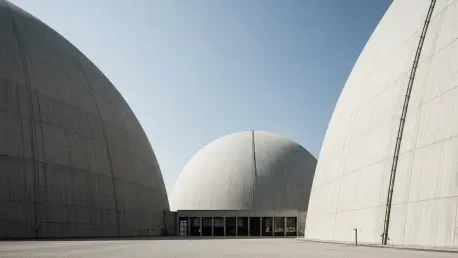

The construction of the Rooppur Nuclear Power Plant has transformed the diplomatic landscape between Dhaka and Moscow from a series of transactional trade agreements into a profound, sixty-year strategic alliance. This monumental undertaking, which carries an estimated price tag of approximately thirteen billion dollars, represents the most significant infrastructure investment in the history of Bangladesh, with the Russian government providing nearly ninety percent of the necessary capital. Unlike typical road or bridge construction, the implementation of nuclear technology creates a unique level of bilateral dependency that effectively anchors the foreign policies of both nations for the foreseeable future. This financial and technical entanglement serves as a cornerstone for a new era of cooperation, moving beyond simple diplomatic gestures to a state of permanent structural integration. The sheer scale of the project underscores a fundamental shift toward a long-term energy security strategy that defines the nation’s regional role and future economic trajectory.
Structural Integration: The Long-Term Bonds of Nuclear Cooperation
The specific nature of nuclear energy infrastructure fosters a “sticky” relationship that binds the buyer to the supplier’s proprietary technology, safety protocols, and operational standards for decades. For Bangladesh, this commitment necessitates a total immersion into the Russian nuclear ecosystem, which encompasses everything from the initial delivery of enriched uranium fuel to the highly complex and sensitive task of managing spent nuclear waste materials. This technical integration ensures that the foundational engineering of the power sector follows Russian standards, making it nearly impossible to pivot to alternative providers without incurring astronomical costs or safety risks. The operational longevity of the VVER-1200 reactors means that several generations of specialists will be trained specifically on Russian systems, creating a professional class whose expertise is inherently tied to Moscow’s technological framework. Such deep-seated technical ties create a lasting bond that persists regardless of external pressures.
Strategic Stability: Leveraging History for Energy Independence
Historical sentiments and urgent economic imperatives have combined to solidify this massive commitment, as the project addresses a critical need for stable, base-load electricity to support industrial growth. Bangladesh views its current cooperation with Moscow through a historical lens of gratitude for the support provided by the Soviet Union during the 1971 War of Independence, providing a moral and political foundation for the current partnership. As we progress through 2026, the plant’s anticipated contribution of 2,400 megawatts of electricity is essential for insulating the domestic economy from the extreme price volatility often found in global fossil fuel markets. By securing a reliable energy source that is less susceptible to the fluctuations of the international natural gas trade, the government is making a calculated bet on Russian technology to provide the stability required for long-term economic planning. This shift represents a transition toward a more resilient and centralized energy infrastructure.
Geopolitical Influence: The Mechanics of Russian Nuclear Diplomacy
From the perspective of the Kremlin, the development at Rooppur serves as a flagship example of “nuclear diplomacy,” a strategic tool used to maintain global influence by embedding Russian interests into the critical infrastructure of foreign nations. By deploying state-owned entities like Rosatom to build and maintain reactors, Russia secures a long-term presence in strategically important regions that is far more durable and resistant to change than traditional foreign direct investment or trade deals. This strategy creates a lasting bond that is difficult for any client nation to dissolve, primarily because the specialized nature of the facility makes the cost of switching to a different technology provider prohibitive. This form of soft power allows Moscow to maintain a seat at the table in South Asian geopolitics, using high-tech exports to counterbalance the influence of other global powers. The project thus functions as a permanent diplomatic anchor that ensures a continuous dialogue between the two sovereign nations.
Cultural Convergence: The Local Impact of International Expertise
This strategic footprint is not merely confined to high-level diplomatic meetings; it is visibly and physically manifested within the local community surrounding the Rooppur site. The continuous presence of thousands of Russian engineers, technicians, and administrative staff has catalyzed the development of a unique cultural enclave, complete with Russian-language signage, specialized restaurants, and local markets catering to international tastes. This physical reality turns a previously rural district into a vibrant hub of cross-cultural interaction where the two populations collaborate daily on complex technical challenges. Such a localized presence acts as a living symbol of the partnership, humanizing the technical agreement and creating interpersonal ties that reinforce the formal state-to-state commitments. The integration of foreign specialists into the local social fabric illustrates how large-scale infrastructure projects can fundamentally reshape the cultural geography and local economy of a region over time.
Political Resilience: Maintaining Commitments Through Leadership Shifts
A defining characteristic of the Rooppur agreement is its remarkable resilience in the face of domestic political transitions and regional instability within the South Asian landscape. Despite changes in leadership and periods of internal friction, the nuclear project has remained a protected priority for successive administrations, demonstrating that massive infrastructure commitments often become institutionalized. These projects develop a momentum of their own, becoming so vital to the national interest that they are shielded from the typical cycles of partisan politics or shifts in governing philosophy. However, this deep-rooted connection to Moscow presents a significant challenge for foreign policy, as the nation must navigate a complex path between its energy reliance on Russia and its vital economic ties to Western markets. Maintaining this balance requires a sophisticated diplomatic strategy to ensure that energy security does not come at the expense of crucial trade relationships with other major global economic powers.
Technical Sovereignty: Establishing Frameworks for Operational Autonomy
To ensure the long-term success of this bilateral initiative, stakeholders established a robust framework for technology transfer and safety oversight that prioritized the development of local human capital. Officials recognized that the survival of the project depended on creating a sustainable pipeline of domestic nuclear engineers who could eventually manage the facility with minimal foreign intervention. Consequently, the government implemented rigorous training programs in partnership with academic institutions to bridge the technical gap and reduce the dependency on external contractors for daily operations. This proactive approach allowed the nation to mitigate potential risks associated with prolonged technical reliance and fostered a sense of ownership over the national energy grid. Furthermore, diversifying the supply chain for secondary components became a critical strategy for maintaining operational continuity during periods of global logistical disruptions. These targeted steps secured the project’s long-term viability.