
Public infrastructure projects may suffer as the net impact of new UK funding is diminished by significant reductions in capital investment for the coming fiscal year. Finance Minister Elin Jones is currently preparing to present a draft budget that reflects the most challenging economic conditions the Welsh Government has faced in recent memory. This fiscal plan arrives as the administration warns that the purchasing power for everyday public services will decrease by 0.5% in real terms during the next cycle. Persistent inflation remains a primary obstacle, with the Office for Budget Responsibility projecting an average rate of 3.4% throughout the year. Such economic pressures effectively neutralize the nominal gains provided by the UK Government, leaving Welsh ministers with little room for maneuver. The struggle to maintain existing service levels while addressing new demands creates a precarious environment for policymakers. These tight constraints are not merely abstract numbers but represent a fundamental shift in how the nation must prioritize its limited financial resources.
Balancing Healthcare Demands With Fiscal Reality
A critical component of this budget analysis involves the increasingly difficult trade-offs required to sustain the National Health Service. Historically, the Welsh healthcare system has required a consistent 3.6% annual spending increase to keep pace with an aging population and rising treatment costs. However, experts from Wales Fiscal Analysis indicate that meeting this gold standard today would necessitate aggressive cuts of approximately 3.8% across nearly all other governmental departments. This includes vital areas such as local governments, education systems, and transportation networks. Even if the current administration chooses to limit the NHS increase to half of its historical average, other public services would still be forced to absorb significant reductions of roughly 1.9%. The dilemma highlights a stark reality where the health of the population seems to come at the direct expense of the infrastructure and educational foundations that support social mobility and economic growth for future generations.
While the UK Government recently announced a funding package worth £450 million for Wales to be distributed over the next four years, the actual benefit for the immediate fiscal year is surprisingly limited. The net impact of this cash injection is largely offset by simultaneous reductions in capital funding intended for long-term infrastructure projects and public buildings. This shift suggests that while there may be some relief for operational costs, the ability to build new schools, upgrade hospitals, or improve the roadway system remains severely hampered. The mismatch between operational needs and capital investment creates a long-term deficit that could affect service delivery for years to come. Consequently, the government must find creative ways to stretch every pound, often choosing between maintaining current staff levels and repairing the very facilities where those staff work. This strategy of managing immediate crises at the cost of long-term development represents a significant risk for the regional economy.
Local Stability and Political Negotiation
The fiscal outlook is somewhat bolstered by stronger-than-expected performance in local revenue streams, with devolved taxes and business rates projected to contribute £184 million more than initial forecasts suggested. This unexpected windfall plays a crucial role in narrowing the budget gap created by the shrinking value of the UK block grant. Without these additional local funds, the scale of the necessary cuts would likely be far more severe, potentially reaching into essential community services that have already been trimmed significantly. Despite the need for austerity, the Welsh Government maintained specific social support measures to protect vulnerable residents, such as the continuation of a £100 cost-of-living payment for households in lower property tax bands. This initiative, costing approximately £120 million, remains a non-negotiable priority for the administration. By matching previous support levels, the government provided a degree of stability for families struggling with high energy costs, even while managing the broader departmental reductions.
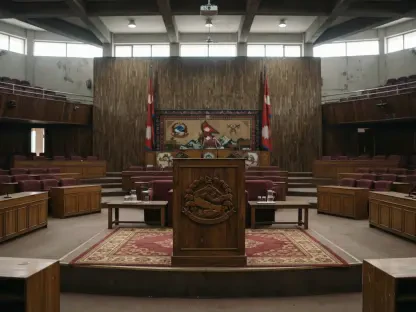
The political journey of this budget proved to be as complex as the financial figures, requiring intense negotiation within the Senedd. Because Plaid Cymru held 43 of the 96 seats, the administration was forced to seek alliances with other parties to secure a functional majority for the final vote in late February. Legislative leaders recognized that failure to reach an agreement before the April 1 deadline would have triggered legal provisions limiting government spending to a mere fraction of previous levels. Such a scenario would have caused unprecedented disruption to essential public services, making compromise an absolute necessity for all involved parties. Ultimately, the process emphasized the need for a collaborative approach to fiscal responsibility, where healthcare demands were weighed carefully against the stability of local government. Future cycles were expected to require more refined strategies for integrating technology and efficiency to bridge the gap between rising costs and limited funding. Leaders moved to focus on preventive healthcare models to reduce strain.