
The BAAJA legislation seeks to resolve bureaucratic bottlenecks by preventing federal agencies from modifying project authorizations once a permit has been officially issued. This sweeping 417-page proposal, officially known as the Bipartisan American Affordability and Jobs Act, represents one of the most significant shifts in federal land management and permitting logic seen in decades. While the bill aims to streamline the development of critical energy and infrastructure projects, it has sparked a fierce conflict over the future of public lands across the Western United States. In Colorado, the stakes are exceptionally high, as the state’s rugged landscapes and vital ecosystems become the primary testing ground for these proposed regulatory changes. The debate has created a visible rift within the state’s political leadership, pitting those who prioritize immediate economic modernization against those who fear irreversible ecological damage. This tension reflects a broader national struggle to balance the urgent need for a resilient power grid with traditional values of stewardship.
Modernizing Infrastructure: Reducing National Energy Costs
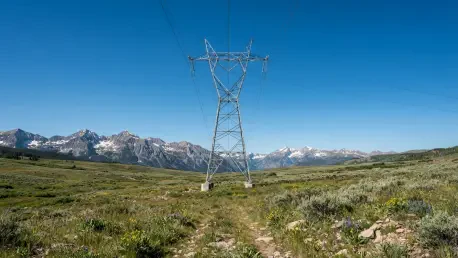
Proponents of the legislation argue that the current federal review process is an antiquated maze of red tape that prevents the nation from meeting its evolving energy demands. By revising foundational environmental laws such as the National Environmental Policy Act and the Clean Water Act, the bill intends to facilitate the rapid deployment of electric grids and clean energy installations. The core argument rests on the idea that bureaucratic delays are the single greatest obstacle to a greener economy and lower utility bills for average households. These supporters believe that streamlining the process is not just an economic necessity but a climate imperative, as the slow pace of current infrastructure development fails to keep up with the rising demands of modern data centers and expanding urban populations. Without these changes, they warn that the transition to a sustainable energy future will be stalled by endless litigation and administrative friction that ultimately serves no one in the long run.
Senator John Hickenlooper has emerged as a prominent voice in favor of the bill, describing it as a golden opportunity to fulfill long-standing promises regarding carbon emission reductions and enhanced grid reliability. From his perspective, the legislation provides a necessary mechanism to ensure that large-scale industrial projects are completed efficiently while also making sure they contribute their fair share to the economy. This pragmatic approach focuses on the immediate benefits of a more predictable regulatory environment, which could attract billions in new investments to Colorado’s energy sector. Supporters emphasize that the bill’s goal is to maintain a reliable power grid that can withstand the stresses of the current decade while lowering the overall costs associated with energy production. By reducing the time it takes to bring new projects online, the bill seeks to create a competitive advantage for domestic industries that have previously been hampered by years of regulatory uncertainty and shifting federal mandates.
Protecting Public Lands: Safeguarding Environmental Sovereignty
In stark contrast, a coalition of nearly thirty Colorado-based environmental and wildlife organizations has raised a dire alarm regarding the bill’s long-term impacts. Groups like the Wilderness Workshop and the Western Colorado Alliance contend that the perceived efficiency of the legislation is achieved only by stripping away essential safeguards that protect public lands and local communities. They argue that by weakening the oversight mechanisms of the Endangered Species Act and other key statutes, the bill effectively prioritizes the interests of extractive industries like oil, gas, and mining over the health of the natural world. These advocates fear that once these protections are eroded, it will be impossible to recover the biodiversity and pristine habitats that define Colorado’s Western Slope. The concern is that the bill fundamentally shifts the burden of proof from industrial developers to the public, making it harder for citizens to challenge projects that could pollute local water sources or destroy critical habitats.
The impact on tribal nations has become another major flashpoint in the legislative struggle, with critics arguing that the bill fails to respect the sovereignty of indigenous peoples. Senator Michael Bennet has voiced significant concerns that the legislation narrows the scope of environmental reviews in a way that excludes tribal governments from meaningful consultation regarding their ancestral homelands. By limiting the ability of tribes to deny water-quality certifications under the Clean Water Act, the bill is seen as a major rollback of the rights of sovereign nations to protect their cultural resources and natural heritage. This aspect of the debate highlights a profound ethical question about whether industrial progress should be pursued at the expense of those who have stewarded the land for centuries. Opponents maintain that the federal government has a sacred duty to engage in deep consultation with indigenous communities, and they view the proposed streamlining as a betrayal of those obligations in favor of corporate expediency.
The Project Certaincy Clause: Analyzing Potential Regulatory Loopholes
One of the most contentious elements of the BAAJA legislation is the project certainty clause, which is designed to fast-track authorizations by locking in permits once they are issued. This provision effectively prevents federal agencies from modifying project authorizations based on new scientific information or changes in land management policy. Critics argue that this creates a dangerous loophole where corporations can stockpile permits during favorable political administrations and shield their activities from future oversight for years to come. In Colorado, this could lead to the permanent establishment of industrial sites in ecologically sensitive areas regardless of shifting environmental conditions or updated conservation data. The concern is that this clause removes the adaptive management approach that is necessary for protecting complex ecosystems in a changing climate. By providing absolute certainty to developers, the bill may inadvertently create a situation where outdated and harmful industrial practices are legally protected from modern corrections.
The geographic implications of this clause are particularly worrying for the protection of critical migratory corridors across Colorado’s diverse terrain. Sensitive areas such as the Roan Plateau and the Chimney Rock National Monument could face increased industrial pressure that fragments the habitats of species like the greater sage-grouse, mule deer, and pronghorn. Environmental advocates point to previous conservation victories, such as the hard-fought cancellation of oil and gas leases in the Thompson Divide, as examples of the types of protections that would become nearly impossible to achieve under this new regulatory framework. They argue that the bill cedes too much decision-making power to powerful corporations and foreign-owned mining companies, effectively silencing the voices of local government officials and residents who prioritize recreation and ecology. Without the ability to revisit permits as new data emerges, the state risks losing the very natural assets that drive its tourism and outdoor industries.
Frequently Asked Questions: Understanding the Legislative Impact
How does the bill change environmental reviews? The legislation aims to drastically shorten the timeline for federal approvals by placing strict limits on the duration of environmental assessments and narrowing the criteria for legal challenges. By altering the application of the National Environmental Policy Act, the bill seeks to provide developers with a more predictable route to project completion. This change is intended to prevent projects from being bogged down in years of administrative review, although opponents argue this comes at the cost of thorough scientific vetting and public input.
Why is Colorado’s political leadership divided? The split between Senators Hickenlooper and Bennet reflects a national struggle between energy pragmatism and environmental precaution. While Hickenlooper emphasizes the need for legislative movement to secure energy affordability, Bennet insists that the details of the bill fundamentally erode the rights of local stakeholders and tribal nations.
What are the long-term regional implications for Colorado? Beyond the immediate political and environmental friction, the bill could fundamentally alter the state’s economic landscape by accelerating the transition toward a more industrial energy grid. While this promises higher employment in the construction and technical sectors, it also places a strain on the state’s natural resources and infrastructure.
How does the bill address the needs of data centers? BAAJA includes provisions that require large-scale industrial consumers, such as data centers, to contribute more significantly to the cost of grid expansion. This is intended to ensure that the financial burden of rapid modernization is not placed solely on residential utility payers. By creating a more equitable funding model, the legislation seeks to balance the massive energy requirements of the technology industry with the economic stability of local communities, though the execution of these policies remains a point of observation for analysts.
Future Strategic Directions: Balancing Progress and Preservation
The legislative journey of the BAAJA proposal served as a pivotal moment for Colorado, forcing a difficult conversation about the intersection of industrial growth and environmental integrity. Stakeholders realized that the path toward a modernized economy required more than just faster permitting; it demanded a nuanced approach that respected both local sovereignty and the scientific reality of land management. Moving forward, the focus shifted toward developing more collaborative frameworks that integrated community feedback earlier in the planning process to avoid the litigation that the bill sought to eliminate. Policymakers ultimately looked toward technological solutions, such as enhanced digital mapping and real-time environmental monitoring, to bridge the gap between efficiency and thorough oversight. These efforts aimed to ensure that while infrastructure was built with the necessary speed, it did not come at the permanent expense of the state’s ecological legacy or its vibrant tourism economy.
To address the ongoing challenges of land use, regional leaders implemented several actionable strategies that complemented the federal changes while protecting local interests. They established multi-agency task forces that used data-driven modeling to identify the least sensitive areas for infrastructure development, effectively minimizing the impact on wildlife and scenic vistas. Furthermore, the state expanded its investment in workforce development programs to ensure that the local labor force was prepared for the high-tech jobs created by the new energy grid. By fostering a culture of transparency and proactive engagement, Colorado managed to navigate the regulatory shifts without sacrificing the environmental values that remained central to its identity. The result was a more resilient and sustainable energy system that served as a model for other states facing similar pressures. This balanced approach demonstrated that economic progress and conservation were not mutually exclusive goals but required constant vigilance.