
The global race to achieve artificial intelligence supremacy has transformed sleepy rural landscapes into bustling industrial zones where massive server farms hum with the energy requirements of mid-sized cities. While the trillion-dollar technology industry continues to saturate its marketing campaigns with images of wind turbines and solar panels, the underlying reality of AI expansion often involves a quiet but massive return to fossil fuel reliance. As the sheer volume of data processing spikes, the existing electrical grids are proving unable to keep pace, forcing developers to seek immediate, high-capacity power solutions that frequently bypass long-term sustainability goals. This shift has led to an unprecedented rise in the deployment of on-site natural gas generators and industrial turbines, creating a disconnect between corporate carbon-neutral pledges and the actual emissions footprints being established in states like Texas and Virginia. The environmental consequences are no longer theoretical, as the demand for 24/7 reliability in machine learning training forces a hard pivot away from intermittent renewable sources. This development represents a critical juncture for both the technology sector and environmental regulators, as the speed of innovation threatens to outpace the frameworks designed to protect the planet’s atmosphere and the health of local communities living near these new industrial hubs.
Industrialization Through Strategic Permitting
The Blueprint of Project Stargate: Local Disruption and Global Ambition
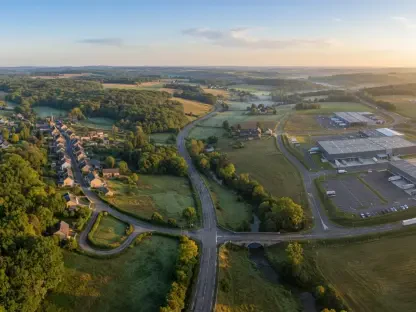
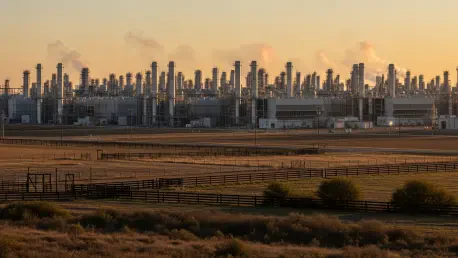
The Project Stargate initiative in Abilene, Texas, exemplifies the tension between the high-tech aspirations of Silicon Valley and the grounded reality of the American heartland. When the partnership between OpenAI and other major infrastructure providers was announced, it was hailed as a monumental step toward achieving artificial general intelligence, yet for those living on the periphery of the site, the announcement carried a much more ominous weight. This massive installation was designed to house tens of thousands of specialized chips, all requiring a constant, uninterrupted stream of power that the local utility grid simply could not provide. Consequently, the project shifted toward on-site power generation, which necessitated the rapid installation of industrial-scale machinery that began operating with minimal public consultation. Residents who had spent decades in the quietude of the Texas plains suddenly found themselves living adjacent to a construction site of unprecedented proportions, where the horizon was no longer defined by sunsets but by the rising silhouettes of exhaust stacks and cooling towers.
The communication gap between the developers and the local community has created a sense of disenfranchisement that is becoming increasingly common in the wake of the AI boom. Omaira Garcia, a rancher and veteran whose property sits directly in the shadow of the new facility, described a transition that felt more like an occupation than a development. The sudden arrival of heavy machinery and the subsequent roar of turbines fundamentally altered the environmental and social fabric of her neighborhood, yet the legal mechanisms used to approve the site required almost no input from those most affected. This lack of transparency is not merely a public relations failure; it is a strategic choice enabled by a regulatory system that was never designed to handle the scale of modern data center infrastructure. As the facility continues to expand, the residents are left to grapple with declining property values and a loss of the rural lifestyle that drew them to the area in the first place, highlighting a growing divide between those who benefit from digital progress and those who bear its physical costs.
Administrative Loopholes: The Strategic Use of Minor Air Permits
Data center developers have refined a strategy that utilizes administrative shortcuts originally intended for small-scale businesses, such as dry cleaners or local auto repair shops. By applying for “permits by rule” or “standard permits,” these companies can bypass the rigorous environmental impact studies and public notice periods that are typically mandatory for large-scale industrial power plants. This is achieved by categorizing their energy generation as a series of individual, minor units rather than a single, massive source of pollution. This legal maneuver allows a facility that might eventually emit hundreds of thousands of tons of pollutants to be approved with the same level of scrutiny as a neighborhood commercial facility. This approach effectively creates a “shadow grid” of energy production that operates outside the traditional utility framework, allowing for rapid construction timelines that would be impossible under standard industrial permitting processes.
Former environmental regulators and legal advocates argue that this “small first, big later” tactic is a deliberate attempt to build momentum before the full scope of a project’s environmental impact can be realized. Once the initial minor permits are secured and construction begins, it becomes significantly harder for local authorities or concerned citizens to challenge subsequent expansions or demand more stringent pollution controls. This creates a situation where the cumulative impact of dozens of turbines and backup generators is never fully assessed as a single entity, leading to a fragmented regulatory picture that masks the true scale of the site’s emissions. By the time the facility reaches its full operational capacity, it has already become a permanent fixture of the local landscape, and the window for meaningful environmental mitigation has often closed. This systemic exploitation of permitting categories demonstrates a sophisticated understanding of regulatory weaknesses, allowing the AI industry to scale at a pace that disregards the spirit of environmental protection laws.
The Environmental Consequences of the Power Surge
Texas and the Fossil Fuel Shadow Grid: A New Industrial Frontier
Texas has emerged as the epicentre of the data center industry’s pivot toward fossil fuels, driven by a combination of abundant natural gas reserves and a regulatory environment that prioritizes rapid industrial growth. The scale of this transition is staggering, with over 80 gigawatts of new gas-fired power generation currently in the pipeline across the state, a figure that rivals the industrial expansion seen in the world’s most rapidly developing economies. A significant portion of this new capacity is being built “behind-the-meter,” meaning the power plants are owned and operated by the data center developers themselves rather than being part of the public utility grid. This allows tech giants to secure their own energy supply without being subject to the same reliability or environmental standards that govern public utilities, further isolating these massive energy consumers from the broader goals of grid decarbonization.
The involvement of major corporations like Meta and Chevron in these gas-powered projects underscores the deep integration between the technology and energy sectors. In regions ranging from the Permian Basin to the outskirts of El Paso, massive installations are being permitted to release millions of tons of greenhouse gases annually, directly contradicting the public-facing sustainability narratives that these companies promote. This trend indicates that the future of artificial intelligence is being built on a foundation of natural gas, which risks locking in carbon-intensive infrastructure for decades to come. As these facilities become operational, they create a permanent demand for fossil fuel extraction and transport, potentially undermining national and international climate commitments. The rapid growth of this shadow grid represents a fundamental shift in how industrial power is managed, moving away from centralized, regulated oversight toward a fragmented and largely opaque system of private energy production.
Hidden Pollutants: The Realities of Local Air Quality and Public Health
While the global climate impact of data center emissions is a major concern, the localized health risks posed by these facilities are equally significant and often overlooked. Many AI data centers rely on massive arrays of diesel generators for backup power, which are frequently presented as emergency equipment that will rarely be used. However, the reality of maintaining these systems involves regular testing and maintenance cycles that release significant quantities of toxic gases into the local atmosphere. Even when operating at limited capacity, these generators can have a public health impact comparable to that of a large-scale traditional power plant, particularly regarding the emission of nitrogen oxides. These pollutants are closely linked to respiratory illnesses, cardiovascular disease, and other long-term health complications for residents living in the immediate vicinity of the industrial sites.
The regulatory challenge is exacerbated by the fact that many data center operators carefully calibrate their operations to stay just below the legal thresholds that would trigger “major source” status under federal air quality laws. By maintaining emissions levels that are technically within the limits of minor permits, companies avoid the most stringent monitoring and public disclosure requirements, leaving the surrounding community with little information about the air they are breathing. In Texas alone, the cumulative nitrogen oxide emissions permitted for new data center generators exceed the output of the state’s newest and largest coal-fired power plants. This creates a paradoxical situation where the pursuit of cutting-edge technology leads to a resurgence of antiquated pollution problems in residential and rural areas. Without more granular monitoring and a reconsideration of how these cumulative emissions are calculated, the public health costs of the AI revolution will continue to be borne by the most vulnerable populations living near these facilities.
Systematic Failures in Governance
Regulatory Paralysis: The Gaps in Oversight and Enforcement
The Texas Commission on Environmental Quality serves as the primary watchdog for industrial emissions in the state, yet the agency is currently facing a systemic crisis that limits its ability to regulate the booming data center sector. A massive backlog of unresolved enforcement cases and a shortage of personnel have led to a situation where many facilities are effectively allowed to police themselves. Critics of the current system argue that the agency lacks the resources to properly verify the data provided by companies during the permitting process, leading to the approval of projects based on overly optimistic or incomplete emissions projections. This environment of regulatory paralysis creates a vacuum where developers can push the boundaries of existing laws with little fear of immediate or significant consequences, further incentivizing the use of administrative loopholes to expedite construction.
This lack of oversight is particularly problematic when considering the cumulative impact of multiple data centers located within a single geographic area. Current permitting processes often evaluate each project in isolation, failing to account for how the combined emissions of several massive facilities might affect the regional air quality or the health of the local population. Without a more holistic approach to environmental management, the state risks creating industrial clusters that exceed safe pollution levels even if each individual facility remains within its specific permit limits. The inability of regulatory agencies to keep pace with the technological and economic speed of the AI industry has resulted in a governance gap that favors corporate expansion over environmental protection. Strengthening these agencies and modernizing the permitting framework is essential to ensure that the rapid development of digital infrastructure does not come at the expense of public health and ecological stability.
The Human Cost: Erosion of Heritage and Community Value
For families who have lived in rural Texas for generations, the arrival of hyperscale data centers is not just an environmental issue but a direct threat to their heritage and economic security. Residents like Paul Daniel, whose family has cultivated land in the Abilene area for two centuries, find themselves in a precarious position as the value and character of their property are systematically eroded by nearby industrialization. Because of the “small first” permitting strategies used by developers, homeowners often receive no warning of the impending change to their environment until the machinery is already on-site. This prevents families from making informed decisions about selling their land or seeking mitigation, effectively trapping them in a landscape that no longer resembles the home they have known for lifetimes.
The loss of property value is compounded by the psychological toll of living in a state of constant industrial noise and light pollution, which disrupts the traditional rhythms of rural life. Many of these residents feel that their voices have been silenced by a political and economic system that prioritizes the needs of global technology corporations over the rights of local citizens. The sense of loss is profound, as the quiet pastures and open skies that defined their communities are replaced by the sterile, humming architecture of the digital age. This human cost of the AI revolution is rarely reflected in the balance sheets of tech companies or the economic growth statistics cited by government officials. As the industry continues to expand into new territories, the displacement of rural communities and the destruction of local legacies serve as a sobering reminder of the trade-offs being made in the pursuit of technological progress.
Sustainable Strategies: Reframing the Future of Infrastructure
The resolution of the conflict between AI expansion and environmental protection required a fundamental shift in how data centers were integrated into the energy landscape. Policymakers recognized that the existing permitting structures were insufficient for the scale of modern digital infrastructure and moved toward a more integrated approach that mandated transparency and cumulative impact assessments. Instead of relying on decentralized fossil fuel generation, incentives were redirected toward the development of advanced geothermal and small modular nuclear reactors that could provide the constant power required by AI without the localized pollution associated with gas turbines. This transition was supported by investments in regional grid modernization, which allowed data centers to act as stabilizing forces for renewable energy rather than isolated consumers of fossil fuels.
Local communities were eventually given a stronger voice in the development process through the establishment of mandatory public notice periods and community benefit agreements. These frameworks ensured that developers provided tangible benefits to the areas they occupied, such as investments in local schools and healthcare, while also adhering to strict noise and air quality standards. The technology sector itself began to prioritize long-term ecological health over immediate capacity growth, adopting more efficient cooling technologies and hardware that significantly reduced the total energy footprint of each computation. By aligning corporate incentives with environmental stewardship, the industry moved away from the era of administrative loopholes and toward a more responsible model of growth. This proactive stance helped rebuild public trust and demonstrated that the path toward artificial intelligence did not have to be paved with the degradation of the natural world or the displacement of rural families.