
The ongoing debate surrounding local government reform in New Zealand often centers on financial sustainability, yet it also presents a rare chance to redefine governance through the lens of indigenous heritage. While central government officials scramble to address rising infrastructure costs and the burden on taxpayers, Māori leaders in the Manawatū-Whanganui region are looking far beyond the next fiscal year. They recognize that the current push for reform offers a rare opening to dismantle the arbitrary boundaries established during the colonial era and replace them with a system that reflects the organic identity of the land. Instead of merely rearranging administrative chairs, these leaders are advocating for a holistic transformation that integrates ancestral wisdom with modern governance. This shift represents a move away from seeing a region as a collection of assets and liabilities toward viewing it as a living ecosystem where the health of the community and the environment are inextricably linked together.
Grounding Governance: In Heritage and Nature
Prioritizing Cultural Continuity: Over Political Cycles
The fundamental tension in modern local government often stems from the misalignment between short-term electoral incentives and the enduring needs of the landscape and its people. Political cycles in New Zealand operate on a three-year rotation, which frequently encourages decision-making that prioritizes immediate optics or temporary savings over generational stability. Māori perspectives offer a necessary corrective to this myopia by emphasizing a “thousand-year” outlook that views current leaders as temporary stewards of an eternal legacy. By grounding governance in cultural continuity, the focus shifts toward building institutions that can withstand the whims of changing political administrations. This approach ensures that long-term environmental protections and social programs are not dismantled whenever a new council is sworn into office. It suggests that the legitimacy of a governing body should be measured not by its efficiency in the short term, but by its ability to preserve the heritage and resources of the region for the future.
Mapping Boundaries: To Natural Landscapes
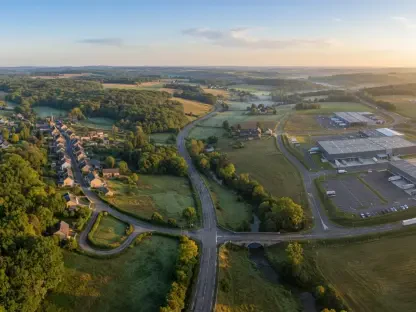
The traditional method of drawing administrative boundaries often relies on straight lines and population clusters that bear little resemblance to the physical reality of the environment. Māori leaders advocate for a radical departure from this colonial model, proposing instead that new authorities should be defined by the natural contours of the landscape. Centering governance around major geographical features, such as Te Kāhui Maunga—the mountain peaks where the headwaters of the Whanganui and Rangitīkei rivers begin—aligns management with the natural flow of water and life. By using a river system like Te Awa Tupua as a foundational reference point, the council can develop more coherent environmental policies that treat the entire catchment as a single, living entity. This geographical alignment ensures that the administration of resources is naturally integrated with the ecosystems they depend on, rather than being fragmented across artificial political borders. Such a model recognizes that the health of the community is tied to the land.
Safeguarding Representation: And Legal Commitments
The Critical Role: Of Māori Wards
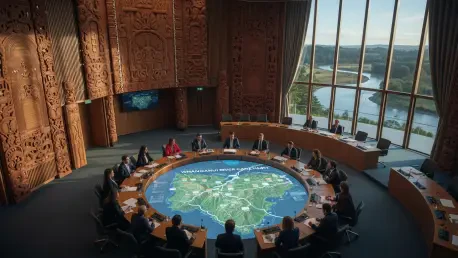
Representation remains a cornerstone of the reform debate, as the potential for larger, consolidated councils raises concerns that minority voices will be marginalized in favor of metropolitan interests. Dedicated Māori wards have emerged as a vital mechanism for ensuring that indigenous perspectives are formally integrated into the highest levels of local decision-making. These wards are not merely symbolic gestures but are essential tools for maintaining a direct link between iwi interests and the legislative process that governs their lands and resources. Without these guaranteed seats, there is a legitimate concern that smaller or more remote rural communities will see their influence diluted by a centralized authority focused on urban population centers. The presence of Māori wards ensures that the unique legal and cultural status of the indigenous population is respected during the deliberation of bylaws, land use policies, and resource management. This structural safeguard is necessary to promote an equitable democratic future.
Upholding Treaty: Of Waitangi Settlements
Any proposed restructuring of local government must navigate the complex legal landscape created by decades of Treaty of Waitangi settlements and co-governance agreements. Many tribes have invested significant time and resources into establishing specific partnerships with existing councils, ensuring that their rights to participate in environmental management are legally protected. A major concern during any merger or reform is that these hard-won agreements could be compromised or overlooked in the rush to create a more streamlined administrative framework. New regional authorities must be designed from the outset to honor these existing legal obligations, providing the necessary infrastructure and funding to make co-governance truly effective. Failure to do so would not only be a breach of legal trust but would also undermine the stability of the entire regional governance system. Ensuring that Treaty obligations are a foundational element of the reform process rather than an afterthought is essential for maintaining social cohesion.
Strategic Planning: For Future Generations
Proactive Design: For Long-Term Well-Being
Rather than waiting for central government to dictate the terms of change, Māori leadership is taking a proactive stance to design a future that prioritizes the holistic well-being of the next generation. This strategy is rooted in a profound sense of responsibility toward children and grandchildren, ensuring they are not left with a legacy of systemic failure or mounting infrastructure debt. By taking the lead in the design process, iwi can ensure that the new regional frameworks are built on a foundation of sustainability and social equity. This forward-thinking mindset shifts the conversation from a fear of loss during the reform process to an exploration of what can be gained by building something better. It involves identifying the essential services and cultural protections that must be preserved, while also exploring new ways to improve the delivery of health, education, and housing. This proactive approach allows the community to set its own agenda, ensuring that the reform serves the people’s needs rather than administrative convenience.
Building Regional Strength: Through Unity
The transition toward a more integrated and culturally grounded governance system provided a clear path forward for the region and set a precedent for future structural adjustments. By moving beyond the limitations of colonial administrative lines and short-term political cycles, the reform participants established a framework that honored the landscape as a living ancestor. This new model successfully balanced the need for economic efficiency with the imperative of protecting the unique legal and cultural rights of the indigenous population. Leaders proactively designed systems that prioritized intergenerational well-being, ensuring that the burden of debt was replaced by a legacy of sustainable infrastructure and thriving communities. The strength found in tribal unity allowed for a more robust defense of local representation, making it impossible for centralized authorities to ignore regional needs. Ultimately, the integration of Māori perspectives into local government reform transformed a period of administrative uncertainty into a foundational moment for long-term stability.