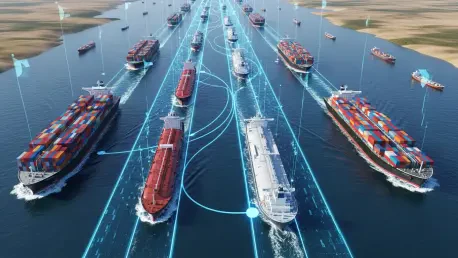

The delicate balance of global energy security hinges on a twenty-one-mile-wide stretch of water where nearly a fifth of the world’s daily oil consumption passes through on massive tankers. As regional frictions continue to escalate, the viability of the Strait of Hormuz as a predictable maritime corridor has been called into question by international shipping conglomerates and national governments alike. The maritime industry currently faces a daunting landscape of asymmetric threats, ranging from sophisticated sea mines to loitering munitions that can be deployed with minimal infrastructure. While historical precedents suggest that the strait usually remains open through sheer economic necessity, the recent uptick in seizures and tactical interference suggests a shift in the status quo. Ensuring safe passage requires more than just diplomatic rhetoric; it demands a fundamental reassessment of how modern naval assets and private security contractors interface with one of the most volatile choke points on the planet today.
The Modern Threat Landscape: Evolution of Maritime Risks
The nature of naval warfare in the Persian Gulf has evolved rapidly from traditional surface combatants to a decentralized model utilizing low-cost drone swarms and remote sensing capabilities. These tactical shifts mean that even minor regional actors can project significant power over the narrow shipping lanes, effectively holding the global supply chain hostage without engaging in a full-scale conventional conflict. The integration of artificial intelligence into guided torpedoes and aerial surveillance drones has complicated the defensive maneuvers that commercial vessels must undertake. Tankers are no longer just dealing with the threat of state-sponsored boarding parties but must also contend with electronic spoofing that can lead ships off course into territorial waters. This environment has forced shipping companies to reroute vessels or invest heavily in private security escorts, which adds a layer of logistical complexity that many operators cannot afford in the current economic climate.
Rising insurance premiums have become a secondary but equally potent deterrent for maritime traffic attempting to navigate through the Gulf of Oman and into the strait itself. Lloyd’s of London and other major underwriting syndicates have designated the area as a high-risk zone, resulting in surcharges that can reach hundreds of thousands of dollars per voyage for a single Very Large Crude Carrier. These financial burdens are inevitably passed down to the consumer, manifesting as higher prices at the pump and increased manufacturing costs for petroleum-based products globally. Beyond the immediate monetary impact, the constant threat of vessel detention or kinetic damage creates a psychological barrier for crews who are increasingly hesitant to sign on for routes through these contentious waters. The lack of a unified international naval task force with a clear mandate to protect all commercial traffic, regardless of origin, further exacerbates the sense of vulnerability felt by those operating within this vital corridor.
Technological Integration: Safeguarding the Shipping Lanes
Deploying advanced satellite constellations and high-altitude long-endurance drones has provided a new level of persistent surveillance that was previously unattainable for merchant shipping. These technologies allow for the real-time tracking of unidentified fast-attack craft and the detection of submerged objects before they can pose a direct threat to passing tankers. By utilizing synthetic aperture radar and multispectral imaging, maritime security centers can identify anomalies in the water that might indicate the presence of freshly laid naval mines. Furthermore, the implementation of decentralized maritime traffic management systems ensures that vessel positions are communicated via encrypted channels, reducing the risk of hostile actors using public data to target specific ships. This technological shield provides the necessary situational awareness that allows captains to make informed decisions about whether to proceed or wait for a more favorable security window, ensuring that digital resilience becomes a mandatory standard for all modern ocean-going vessels.
The path toward stabilizing the Strait of Hormuz required a multifaceted approach that balanced military deterrence with robust diplomatic engagement between regional powers and global consumers. It became evident that no single nation could bear the burden of policing the waterway, leading to the creation of a broader maritime security framework that shared intelligence and resources across borders. This collaborative effort was successful because it moved beyond purely defensive postures and addressed the underlying economic dependencies that make the strait so critical to every participant in the global economy. Governments eventually realized that a permanent disruption would trigger a worldwide recession, which served as a powerful motivator for de-escalation and the establishment of formal communication channels between rival naval commands. By focusing on the shared goal of uninterrupted trade, the international community managed to reduce the frequency of incidents and restore a semblance of normalcy.