
As local plants reach the 60 percent moisture mark, they lose their natural resistance to flames and begin to burn with the explosive intensity of dehydrated timber. In the coastal canyons of Malibu, this physiological change in the flora signals a period of extreme vulnerability that defines the regional approach to public safety. Local authorities have increasingly identified unmanaged encampments in high-risk zones as a critical factor in the ignition of massive wildfires. These areas often contain flammable materials, open flames for cooking, and significant amounts of debris that can transform a small spark into an uncontrollable blaze within minutes. By proactively clearing these sites, the city aims to mitigate the threat to residents and the unhoused population, who are often the first to suffer during a fast-moving fire. This strategy represents a shift toward prevention, recognizing that the environmental stakes have reached a point where any potential ignition source in the hills constitutes a public emergency.
Fire Risk Management: The Intersection of Environment and Human Activity
The landscape of 2026 presents a unique set of challenges as prolonged dry spells have left the Santa Monica Mountains especially susceptible to embers. Modern thermal imaging and drone surveillance have revealed that many encampments are located in deep canyons where heat trapping is common and access for fire crews is limited. These geographical constraints mean that a fire starting in an encampment can climb a ridge before first responders even arrive on the scene. Moreover, the accumulation of synthetic materials found in modern urban debris creates toxic smoke and higher burn temperatures than natural brush alone. Consequently, the push to clear these areas is driven by data showing that human-caused ignitions now represent a significant percentage of early-season fires. City planners and environmental scientists have collaborated to map these high-risk zones, ensuring that enforcement efforts are concentrated where the probability of a catastrophic fire is highest and where the terrain favors rapid spread.
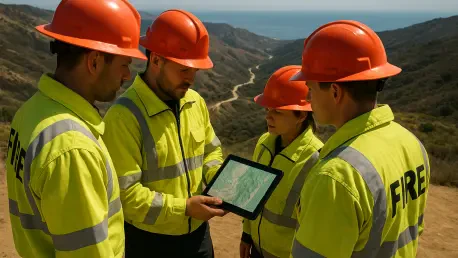
Legal frameworks have evolved to support these clearances under the umbrella of emergency public safety declarations, which prioritize the immediate threat of fire over other regulatory hurdles. By focusing on areas designated as Very High Fire Hazard Severity Zones, the city implements a standard that balances individual rights with the collective necessity of neighborhood preservation. This approach includes the deployment of specialized outreach teams who work alongside fire marshals to facilitate the relocation of individuals before the clearing process begins. These teams often provide direct links to transitional housing, attempting to address the root causes of the encampments while maintaining the hard line required for wildfire prevention. The transition from 2026 into the peak fire months has seen a more coordinated effort between the Los Angeles County Fire Department and local law enforcement to ensure these clearances are thorough and prevent the immediate re-occupancy of these dangerous hillsides.
Mitigation Strategies: Balancing Public Safety and Social Responsibility
Effective mitigation involves more than just physical removal; it requires a sophisticated understanding of how vegetation management and human behavior intersect during dry seasons. Modern brush clearance now incorporates specialized machinery designed to navigate steep hillsides without causing excessive soil erosion, which can lead to landslides during the subsequent rainy season. Furthermore, the city has invested in a digital monitoring network that tracks moisture levels in the brush and monitors high-risk canyons for signs of new human activity. This technological oversight allows for a surgical approach to clearing, focusing resources on the specific pockets of land where the risk of ignition is most acute. By using satellite data and AI-driven predictive modeling, fire officials can anticipate where encampments are likely to form and intervene before a significant amount of flammable material accumulates. This proactive stance is essential for protecting the local ecosystem and the residential infrastructure.
Ultimately, the initiative demonstrated that successful fire prevention required a multifaceted strategy involving both rigorous enforcement and expanded social support networks. Community leaders implemented a series of permanent fire breaks and improved access roads that allowed for faster emergency responses in historically underserved areas. Local residents were encouraged to participate in neighborhood watch programs that integrated with city-wide reporting apps, facilitating the rapid identification of potential fire hazards. The city also established dedicated funding streams for long-term housing solutions, recognizing that clearing encampments was only a temporary fix if individuals had nowhere else to go. These actions provided a blueprint for other coastal communities facing similar environmental threats, emphasizing that safety was best achieved through early intervention and technological integration. By prioritizing the removal of ignition sources, the region moved toward a resilient status where the risk of wildfire was managed.