
The quiet rustle of Alabama pines usually defines life in Lowndes County, but recently, that serenity has been replaced by the roar of a community demanding answers about a mysterious industrial giant. In this corner of the Black Belt, where history runs deep and the soil tells stories of struggle and triumph, a new kind of conflict is brewing. A massive industrial development known only as Project Red Clay has emerged from the shadows, promising economic transformation while simultaneously triggering a wave of local resistance. For the residents who call this rural stretch home, the arrival of this “hyperscale” neighbor feels less like progress and more like a quiet invasion of their established way of life.
A Billion-Dollar Secret in the Heart of Rural Alabama
What happens when a multi-billion-dollar tech giant moves next door but refuses to tell you its name? This is the reality currently facing the people of Lowndes County as they confront a high-stakes standoff that has pitted local heritage against global digital infrastructure. The project is shrouded in non-disclosure agreements and corporate layers, leaving those most affected by the construction to guess at the intentions of their new neighbor. While proponents point toward the potential for a massive tax base, the lack of transparency has turned what could have been a collaborative effort into a source of deep-seated anxiety.
The mystery surrounding the project has led to a breakdown in trust between the governed and the governors. In town hall meetings that were once quiet affairs, the air is now thick with tension as landowners demand to know why a project of this magnitude was negotiated behind closed doors. For many, the secrecy suggests that the benefits might not be as universal as the promotional brochures claim. This struggle is not merely about a plot of land; it is about the right of a community to have a say in its own evolution.
The Rural Frontier of the Global Data Boom
The tension in Lowndes County is not an isolated incident; it is a microcosm of a nationwide struggle as Big Tech searches for vast, affordable land to house the infrastructure of the digital age. Data centers are the physical backbone of the internet, requiring immense footprints that urban centers can no longer provide. Consequently, rural Alabama has become a primary target for developers who see the landscape as a blank slate for industrial expansion. This search for space often overlooks the existing social and environmental fabrics of the communities being scouted.
As technology outpaces local legislation, regions like Lowndes County find themselves on the front lines of a debate over who truly owns the future of Alabama’s natural resources. The global demand for cloud computing and artificial intelligence means that these projects are being fast-tracked across the country, often before local zoning laws can catch up. This creates a scenario where rural preservation is viewed as an obstacle to industrial progress, forcing a conversation about whether the preservation of a way of life can coexist with the demands of a modern, data-driven economy.
Decoding Project Red Clay: Scale, Secrecy, and Sustainability
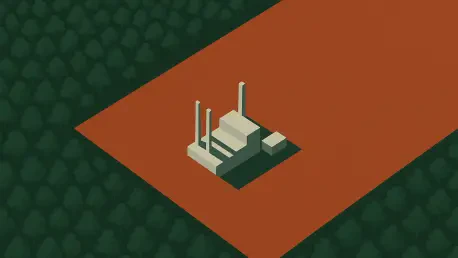
Project Red Clay is not a typical industrial park; it is an 800-acre proposal managed by Sandstone Cliffs DevCo under the umbrella of the developer Cloverleaf. With an initial investment estimated at $1.5 billion, the facility is designed to be one of the largest of its kind in the state. The sheer size of the land acquisition, however, is only a small part of the story. The scale of the proposal has forced residents to reconsider what industrial development means for a community that has historically relied on agriculture and small-scale land use.
The most staggering aspect of the project is its request for 1,500 megawatts of energy capacity from Alabama Power. To put this in perspective, that is enough electricity to power approximately one million homes—nearly half of all the housing units in the entire state of Alabama. Residents fear that such a massive draw on the grid could lead to resource depletion and a fundamental shift in local utility stability. Despite the scale of the investment, the ultimate operator remains a mystery, as developers cite unfinished agreements as the reason for withholding the name of the tech giant. This continued corporate anonymity has only fueled suspicion among locals who argue they cannot properly vet a neighbor that refuses to identify itself.
Perspectives from the Ground: Transparency and Rights
Local opposition has coalesced under the banner of Protect Lowndes County, a grassroots movement that recently delivered a petition with 350 signatures to the County Commission. For many, like landowner John Urquhart, the project represents a personal crisis rather than a professional opportunity. Owning 230 acres adjacent to the site, Urquhart has described the potential destruction of the natural landscape as a loss of both life savings and emotional well-being. His sentiment is shared by many who feel that their property rights are being sidelined in favor of corporate interests that have no long-term stake in the region.
The conflict has moved beyond town hall meetings and into the realm of legal accountability. The Southern Environmental Law Center has stepped in to challenge the County Commission’s silence, with attorney Ryan Anderson emphasizing that transparency is a legal obligation rather than a courtesy. An open records request filed in July remains unfulfilled, leaving residents to rely on developer-produced marketing materials rather than unbiased public data. This regulatory loophole is particularly evident in rural areas where the lack of zoning authority allows developers to move forward without the traditional public checks and balances, turning local land issues into a partisan flashpoint.
Strategies for Community Advocacy and Future Oversight
The path toward long-term protection involved identifying the lack of local regulatory power as a primary vulnerability. Resident activists like Negatha Holt proved that public pressure was a powerful tool by highlighting that nearly $100 billion in data center projects were blocked or delayed nationwide due to community pushback. This mobilization yielded significant results, as the Lowndes County Commission passed a unanimous resolution to support state legislation that granted the county planning and zoning authority. Building a unified front between residents and local officials was the first step in demanding authority from the state legislature to prevent future unregulated expansion.
The community shifted the conversation from simple economic growth to resource sustainability, forcing a more granular discussion on the implications of hyperscale development. This effort established a roadmap for other rural areas to create clear zoning laws that required industrial projects to undergo environmental impact reviews. Residents focused on demanding independent studies regarding how a 1,500-megawatt facility affected local water tables and electricity costs. These actions ensured that the future of Lowndes County remained in the hands of those who lived there rather than being dictated by anonymous corporate interests. Legislative shifts and a focus on impact reports provided the necessary framework for future oversight.