
The ancient city of Kano currently stands at a critical crossroads where its historical legacy as a trans-Saharan trade hub clashes violently with the realities of modern urban congestion. As the population swells toward the ten-million mark, the strain on basic services like water, electricity, and waste management has reached a breaking point that threatens to stifle the economic potential of Northern Nigeria. Decades of haphazard expansion have left a patchwork of informal settlements and poorly connected industrial zones, making daily navigation a logistical nightmare for residents and businesses alike. While the state government has recently initiated several bold road projects and flyovers, these cosmetic improvements often mask deeper systemic failures in long-term zoning and land-use policy. To truly revitalize the urban landscape, officials must look beyond short-term political wins and address the foundational cracks in the planning framework. This requires a shift from reactive firefighting to a proactive strategy that anticipates future growth while preserving the unique cultural heritage that defines the city.
The Crisis of Unchecked Expansion
Assessing the Infrastructure Deficit
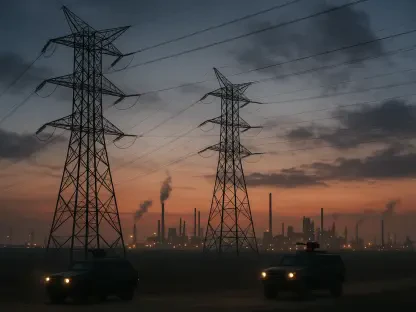
One of the most pressing issues facing the metropolitan area is the severe infrastructure deficit that has failed to keep pace with the rapid rate of rural-to-urban migration. The existing drainage networks are frequently clogged with refuse, leading to catastrophic flooding during the rainy season and creating significant health risks for the densely populated old city neighborhoods. Furthermore, the lack of a centralized sewerage system means that most residential areas rely on localized solutions that are neither sustainable nor environmentally sound in the long run. Public transport remains largely informal, dominated by unregulated tricycles that contribute to gridlock and air pollution rather than offering a structured transit solution. Transitioning from this fragmented reality to a modern, integrated system requires a massive influx of capital investment and a commitment to maintaining existing assets. Without a comprehensive overhaul of how utilities are delivered, the city risks becoming a collection of isolated enclaves rather than a cohesive economic powerhouse.
Regulatory Hurdles and Land Governance
Navigating the legal intricacies of land ownership in Kano remains a significant barrier to formal urban development and private sector investment. The duality of the land tenure system, where traditional titles often overlap with modern statutory certificates of occupancy, creates a climate of uncertainty and frequent litigation. Many developers find themselves entangled in bureaucratic red tape that can delay projects for years, or worse, they bypass the official system entirely to build on unmapped land. This lack of clear, enforceable zoning laws has allowed residential blocks to sprout in designated industrial zones, while green spaces are increasingly sacrificed for commercial ventures. The state planning authority struggles to enforce compliance because the records are often outdated or entirely manual, making it difficult to track changes in land use in real-time. Reforming this system involves not just updating the laws, but also digitizing the entire land registry to ensure transparency and accountability for all stakeholders involved in the process.
Strategic Pathways to Renewal
Digital Solutions for Land Management
The adoption of Geographic Information System technology offers a promising path toward resolving the chaotic nature of the current land-management processes. By creating a comprehensive digital twin of the city, planners can simulate the impact of new developments on existing traffic flows and utility demands before a single brick is laid. This technological shift allows for the precise mapping of informal settlements, providing the data needed to integrate these areas into the formal urban grid rather than simply demolishing them. Automated permit systems can also reduce the opportunities for rent-seeking behavior by government officials, streamlining the approval process for legitimate construction projects. In several neighboring regions, similar digital initiatives have significantly increased property tax revenues, which are then reinvested into local neighborhood improvements. For Kano, the transition to a data-driven planning model is not merely a technical upgrade but a necessary evolution to ensure the city can support its growth.
Environmental Sustainability and Resilience
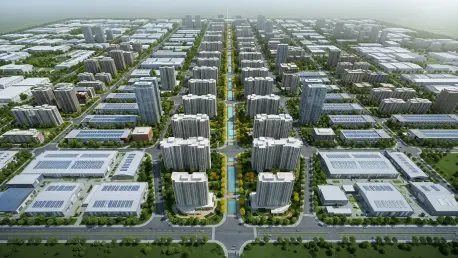
Urban planners prioritized environmental resilience as a foundational element of the new city master plan to protect residents from extreme weather events. The systematic reforestation of urban corridors and the strategic protection of remaining wetlands served as natural buffers against the worsening heat island effect and seasonal flash flooding. Integrating renewable energy sources into the metropolitan grid, such as solar-powered street lighting and decentralized water pumps, reduced the heavy reliance on the inconsistent national power supply. It was essential that architectural standards transitioned toward sustainable building codes that encouraged the use of local materials and passive cooling techniques better suited to the regional climate. Lasting success depended on a collaborative framework where the government and private sector worked in unison to implement these strategic upgrades. By focusing on green infrastructure, Kano transformed into a model megacity that balanced its heritage with a sustainable and prosperous future.