
The economic landscape across Lancashire is defined by a profound tension between corporate expansion and the fundamental welfare of its residents. As utility providers report record-breaking profits, a growing segment of the population questions the ethics of such financial success amidst rising costs for essential services. With consumer water bills having increased by nine percent, the justification for these increases—centered on necessary infrastructure upgrades—is being met with skepticism. This situation creates a complex challenge for regional leaders who must balance the drive for industrial growth with the public’s demand for accountability. The resulting friction is not limited to the utility sector but extends into education and urban planning, where institutional goals often clash with the lived experiences of local communities. As these disputes unfold, the need for a more transparent approach to regional development is the central focus of public discourse, driving a demand for better governance.
Corporate Accountability and Environmental Stewardship
Evaluating the Financial Impact: Bills and Profits
Recent financial disclosures from United Utilities have sparked intense debate regarding the correlation between corporate profitability and consumer burden. By reporting a substantial surge in pretax profits following a rate increase, the company has intensified public concerns about the transparency of its pricing models. Corporate representatives maintain that these additional funds are vital for a modernization program starting in 2026, which aims to improve network reliability across the region. However, critics argue that the burden of financing long-term goals should not fall so heavily on households already struggling with economic pressures. The perceived misalignment between financial gains and the immediate needs of the community suggests a requirement for more robust regulatory oversight. Ensuring that corporate growth translates into tangible benefits for the public is essential for maintaining social stability. Without this, the trust between the provider and the public will continue to decline.
Environmental Responsibility: Managing Infrastructure Failure
In tandem with financial concerns, the environmental performance of utility providers has come under fire, particularly regarding the discharge of untreated wastewater into regional waterways. While United Utilities emphasizes its commitment to infrastructure investment, the continued occurrence of these discharges contradicts the narrative of progress. Residents and environmental advocacy groups have become vocal, pointing out that high profit margins should lead to a more rapid resolution of these systemic failures. The disparity between corporate messaging and the state of local rivers has fueled a movement for stricter penalties and more direct corporate accountability. For the region to achieve a sustainable balance, there must be a definitive link between financial performance and environmental outcomes. This shift requires technological innovation and a cultural change within institutions to prioritize the health of the ecosystem over short-term fiscal milestones to preserve the natural heritage.
Institutional Reform and Community Resilience
Educational Governance: Labor Rights and Academy Conversion
The push for institutional restructuring has reached the education sector, where staff at schools in Preston and Fleetwood have gone on strike. This resistance is a response to the proposed conversion of these schools into academies, a change that educators believe will undermine local governance and degrade employment conditions. The National Education Union has highlighted that top-down decisions often ignore the specific needs of schools and their communities, leading to a loss of autonomy for teachers. As the dispute involves more institutions, it reflects a broader dissatisfaction with how organizational changes are implemented without consulting the workforce. Resolving these tensions will require a shift toward more collaborative decision-making processes that value the input of staff. For the academic system to remain stable, the goals of administrative efficiency must be balanced against the preservation of worker rights. Ensuring that teachers feel valued is vital for the regional school system.
Local Representation: Balancing Development and Voter Sentiment
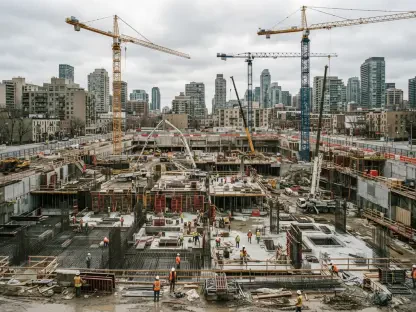
In the urban development sphere, Lancashire faced significant hurdles as governance structures struggled to reconcile regional plans with community objections. The approval of a housing development in Warton occurred despite widespread concern over infrastructure capacity, demonstrating a gap between strategic planning and local reality. To address these challenges, stakeholders established an integrated planning framework that prioritized early community consultation and data-driven impact assessments. These initiatives focused on ensuring that new developments incorporated necessary traffic safety and green space requirements from the outset. By implementing these forward-looking strategies, the region successfully transitioned to a governance model that emphasized transparency and inclusivity. These past actions provided a foundation for a more harmonious relationship between growth initiatives and public welfare, setting a new standard for regional progress that remained sensitive to the specific needs of residents.