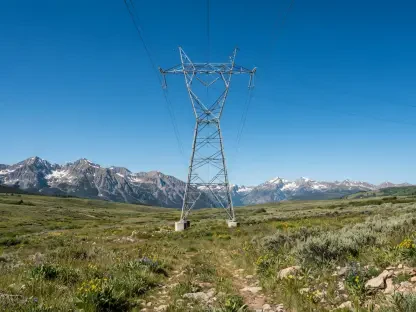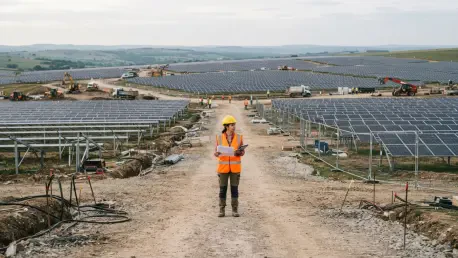

The recent passage of the Bipartisan American Affordability and Jobs Act through a critical procedural vote in the Senate represents a pivotal shift in the nation’s energy strategy. By securing a 73-25 margin, the legislation highlights a rare moment of bipartisan cooperation where twenty-two Democrats joined the Republican majority to overhaul the federal permitting process. This legislative maneuver aims to dismantle the bureaucratic hurdles that have historically delayed large-scale infrastructure developments, yet it has simultaneously ignited a fierce debate regarding the preservation of environmental integrity. While the official narrative centers on the necessity of modernization and the urgent need to expand the domestic energy footprint, the underlying tension between industrial speed and regulatory oversight remains palpable. Supporters emphasize that the status quo is no longer tenable if the country intends to remain competitive in the global market. Conversely, critics argue that such rapid deregulation could lead to irreversible damage to ecosystems.
Legislative Efficiency: Accelerating National Infrastructure
Proponents of the Bipartisan American Affordability and Jobs Act assert that the current regulatory framework is fundamentally broken and serves as a primary obstacle to national progress. By streamlining mandates under the National Environmental Policy Act and the Clean Water Act, the bill seeks to provide a more predictable timeline for project developers who often face years of litigation and administrative delays. Leadership within the Senate maintains that these reforms are essential for integrating renewable sources into the aging power grid, which is currently struggling to meet the rising demand for electricity. The act introduces strict deadlines for environmental reviews, intending to prevent the indefinite stalling of projects that are vital for economic stability. Supporters argue that without these changes, the transition to a more efficient energy system will continue to move at a glacial pace, ultimately hurting consumers who are burdened by high utility costs. This focus on efficiency aims to balance growth with necessity.
The economic implications of this legislative shift are framed as a cornerstone for job creation and long-term affordability across the energy sector from 2026 to 2030. By reducing the time required to approve major infrastructure projects, the government expects to attract significant private investment that would otherwise be deterred by regulatory uncertainty. This influx of capital is projected to revitalize domestic manufacturing and provide thousands of high-paying jobs in regions that have historically relied on traditional industries. Furthermore, the push for grid modernization is seen as a way to lower energy prices for the average American household by increasing the total supply and improving distribution efficiency. Advocates suggest that the bill creates a favorable environment for technological innovation, allowing for the deployment of advanced geothermal and nuclear solutions alongside traditional solar and wind arrays. The goal is to establish a robust framework that supports both immediate economic needs and the broader objective of securing energy independence.
Community Sovereignty: Navigating Strategic Energy Development
The erosion of public participation and local sovereignty stands as one of the most contentious aspects of the new permitting reforms. By significantly shortening the windows for public comment and legal challenges, the legislation makes it increasingly difficult for tribal nations and grassroots organizations to defend their ancestral lands from unwanted development. Critics argue that the bill’s restrictions on the judiciary’s power to pause projects—even when environmental reviews are found to be inadequate—create a system where mistakes cannot be easily rectified. This lack of oversight is particularly troubling for communities situated near planned industrial zones, where the health risks associated with fossil fuel extraction are most acute. Furthermore, the narrative of efficiency is often used to mask the reality that these expedited processes may overlook critical ecological data. The resulting loss of transparency could diminish public trust in federal institutions, making it harder to build consensus on future policies.
Stakeholders navigated the complexities of the BAAJA reform by balancing the immediate demands for infrastructure with the long-term necessity of environmental preservation. Industry leaders recognized that procedural speed alone did not guarantee project success; rather, the integration of robust community engagement proved essential for maintaining operational licenses. Policymakers observed that technical innovation required a stable regulatory environment that did not sacrifice public health for administrative convenience. Moving forward, the focus shifted toward developing hybrid review models that utilized advanced data analytics to maintain rigorous standards while meeting shortened deadlines. It became clear that the most resilient energy projects were those that proactively addressed local concerns before the formal permitting process even began. Agencies and developers prioritized transparency to rebuild trust with tribal nations and affected municipalities. These actions ensured that the pursuit of affordability did not come at the expense of the natural world.