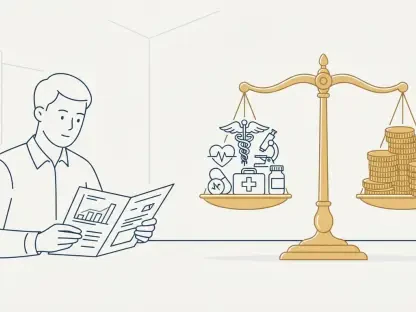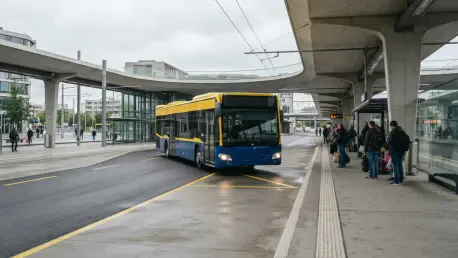

The establishment of a major transit center near Bob Billings Parkway represents a significant capital commitment at a time when actual passenger numbers are failing to meet expectations. For over twenty-six years, Lawrence has cultivated a reputation as a leader in social welfare, investing heavily in mental health and housing solutions for the unhoused. This ethos of care extends into the public transportation sector, where the bus system is viewed as a critical lifeline for those without personal vehicles. However, this commitment now faces a rigorous test as the city navigates a period of financial strain. The desire to provide a robust service must be weighed against the reality of a municipal budget that is increasingly stretched thin. The central concern is that the city’s identity may have unintentionally shielded the transit department from the level of fiscal scrutiny required to ensure long-term viability. A new balance must be found to protect the system’s future.
The Fiscal Crossroads: Taxation and Performance
Examining the Paradox: Rising Taxes and Falling Usage
The city is currently preparing for a pivotal ballot measure that asks residents to approve an increase in the dedicated sales tax for transit services, moving the rate from 0.2 percent to 0.3 percent over the next ten years. This proposal comes following a decade in which the transit system has utilized approximately 105 million dollars in total funding, with 44 million dollars provided directly by local taxpayers. The core of the debate centers on the request for additional revenue at a time when usage statistics are showing a clear downward trend. While many transit agencies across the United States have begun to see a stabilization or modest recovery in rider numbers between 2025 and 2026, Lawrence has struggled to maintain its passenger base. This creates a challenging narrative for city officials who must justify higher taxation for a service that is being utilized by a smaller percentage of the population than in previous decades.
Evaluating Strategic Performance: Trends and Trajectories
To understand the depth of the current crisis, one must look at the divergence between local ridership and broader national trends. While the pandemic caused a universal dip in public transit use, most cities saw a rebound by 2025. In contrast, Lawrence reached its ridership peak nearly a decade ago, in 2017, with roughly 1.25 million annual trips, but that number has fallen steadily since then. By the start of 2026, projections indicate that the annual trip count will hover around 895,000, a significant drop that officials partially attribute to a learning curve associated with recent route redesigns. However, critics point out that the decline began well before the implementation of new routes or the global health crisis, raising fundamental questions about the long-term goals of a system in a community where most residents find cars more convenient. The persistent drop in numbers, despite massive investments, indicates that the current model may not be meeting needs.
Operational Challenges: Infrastructure and Fare Policies
Analyzing Financial Strain: Doubled Expenditures and Infrastructure
Operating expenditures for the transit department have seen an unprecedented rise, nearly doubling from 5.8 million dollars in 2016 to a projected 11.1 million dollars for the current fiscal cycle. This rate of increase has significantly outpaced local inflation, driven largely by a strategic decision to double the frequency of several primary routes and a push toward modernizing the fleet. Between 2024 and 2026, the city has channeled more than 20 million dollars into capital improvements, including the acquisition of advanced electric buses and the construction of the sophisticated transit hub near Iowa Street. While these upgrades were intended to make the system more efficient and environmentally friendly, the financial burden has been heavy. The move to a fare-free model in 2023 further complicated the financial picture by eliminating approximately 300,000 dollars in annual revenue, increasing the system’s reliance on tax subsidies during a period of economic volatility.
Qualitative Experience: Safety and Public Perception
Beyond the raw financial data, the success of a public transit system is inextricably linked to the qualitative experience of its passengers. Recent observations have highlighted concerns regarding the social environment at major bus stops, particularly those located along high-traffic corridors like 23rd Street. Issues such as loitering and an uninviting atmosphere have been cited as factors that may deter potential riders who have other transportation options. If the public perceives the bus stops or the buses themselves as uncomfortable or unsafe, the system will struggle to attract the choice riders who are necessary for a sustainable passenger base. This social dynamic suggests that the decline in ridership is not merely a matter of logistics or route frequency but is also influenced by broader urban management challenges. Improving the physical and social conditions of transit infrastructure is becoming just as important as maintaining the mechanical reliability of the vehicles.
Future Sustainability: Community Values and Strategic Goals
Collective Identity: Compassion and Accountability
Historically, the residents of Lawrence have demonstrated a remarkably high level of support for public transit initiatives, with previous tax measures passing with majorities exceeding 70 percent. This track record reflects a deep-seated belief that a functional bus system is a non-negotiable component of a healthy community and a necessary tool for social equity. There is a palpable sense that many voters view the transit system as an extension of their collective values, making it difficult for political leaders to suggest anything that looks like a service reduction. However, analysts suggest that maintaining this commitment requires a transition toward more transparent management and a focus on measurable outcomes. If the transit system continues to demand an increasing share of local tax revenue while serving fewer individuals, it risks losing the very public trust that has sustained it for decades. The challenge is to evolve the model so it remains a source of community pride.
Strategic Evolution: Solutions for a Viable Transit Network
The path forward necessitated a balanced approach that integrated fiscal accountability with the city’s long-standing moral objectives. To resolve the funding crisis, officials looked toward data-driven route adjustments and sought out public-private partnerships to offset the costs of the fare-free program. It was determined that long-term sustainability could only be achieved if the transit system focused on high-demand corridors while exploring more flexible, on-demand options for less populated areas. This strategy allowed the city to maintain its commitment to accessibility while curbing the growth of operating expenditures. By prioritizing rider safety and improving the aesthetic quality of transit hubs, the department worked to reverse the negative perceptions that had hampered growth. Ultimately, the community learned that true compassion was best expressed through the responsible stewardship of resources, ensuring that the network remained a reliable asset for all. This shift provided a roadmap for future progress.