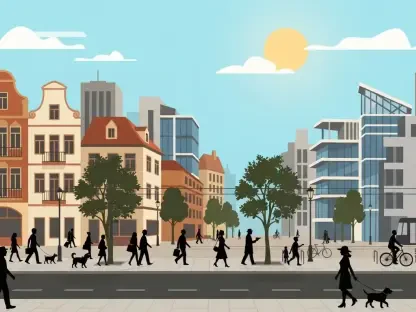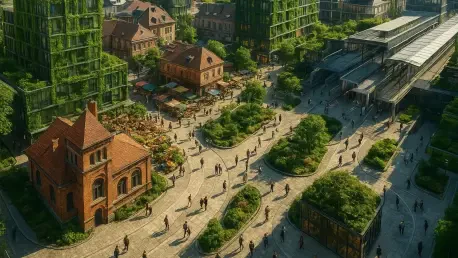

The rapid evolution of global centers often triggers a desperate search for efficiency, yet the most enduring urban spaces are those that resist the urge to conform to a single, rigid blueprint. Cross-disciplinary collaboration is essential for treating urban development as an ongoing dialogue rather than a finished architectural product. When city planners rely too heavily on standardized solutions, they inadvertently overlook the unique cultural pulse and historical narrative that give a location its soul. Instead of fostering vibrant communities, these universal master plans frequently create sterilized environments that prioritize logistical convenience over the lived experience of the residents. By shifting the focus toward flexible frameworks, architects and developers can create spaces that are capable of adapting to the unforeseen changes of the coming decade. This approach recognizes that a city is not a static object but a dynamic system that requires constant nurturing and localized attention. Embracing this complexity allows for a more authentic urban identity to emerge from the current progress of 2026.
Deconstructing Universal Planning Models
The departure from rigid, one-size-fits-all planning templates requires a fundamental reimagining of the architect’s role in the modern era. Instead of acting as an all-powerful designer of static structures, the professional must become a facilitator of community-driven transformation. This approach ensures that the people who inhabit these spaces have a direct say in preserving the features they value, such as interconnected buildings or communal green spaces. By moving away from universal master plans, developers can create flexible frameworks that prioritize the lived experience of residents over mere aesthetic uniformity. This evolution is particularly crucial in the current progress of 2026, as cities face unprecedented demographic shifts and environmental challenges. Successful planning must be rooted in local narratives and cultural specificity, recognizing that what works in one metropolis may fail in another. A truly resilient city is one that is built on a foundation of diversity and adaptability, rather than standardized templates.
The Risks: Standardized Accessibility and the 15-Minute City
The concept of the 15-minute city has emerged as a popular framework for modern urbanism, yet its generic application often creates a disconnect between idealistic planning and the messy reality of diverse metropolitan life. While the goal of providing essential services within a short walk or bike ride is inherently positive, imposing this model without considering local geography can lead to significant social friction. In many instances, these standardized accessibility zones fail to account for the transit habits and labor requirements of workers who must travel across the city for specialized employment. Furthermore, the focus on hyper-localized convenience can unintentionally isolate neighborhoods, turning them into self-contained bubbles that lack the cross-pollination of ideas and cultures necessary for a thriving metropolis. Without a deep understanding of the existing socio-economic layers, the 15-minute city risks becoming a rigid template that excludes those whose lives do not fit into a neat, localized circle.
Beyond the logistical challenges, the imposition of generic urban models frequently drives up land values, leading to the displacement of the very communities they were intended to serve. When a neighborhood is designated for specialized development based on a top-down mandate, it often attracts intense speculative investment that prices out long-standing residents and small business owners. This economic shift transforms the area into a premium enclave, where the original social fabric is replaced by an aesthetic uniformity that caters to a narrow demographic. The loss of local anchors, such as family-owned markets or traditional gathering spots, erodes the cultural heritage that made the neighborhood desirable in the first place. To counter these effects, urban progress must involve a thorough, bottom-up analysis of a district’s current assets rather than a top-down approach that ignores local economic realities. Protecting the existing social ecosystem is vital for ensuring that development fosters true equity rather than just superficial improvements.
Cultural Assets: Integrating Heritage and Community Agency
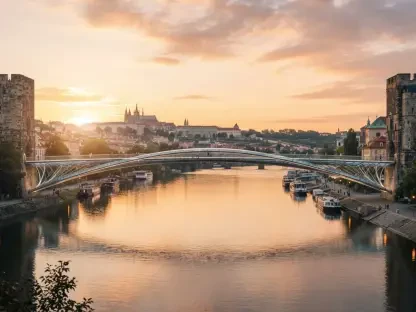
Integrating infrastructure as a cultural asset rather than a mere utility is a cornerstone of successful urban planning in global metropolises like Taipei or Tokyo. In these dense environments, transport nodes and commercial hubs are seamlessly woven into the fabric of residential life, creating a multi-functional ecosystem that supports high-density living without sacrificing human connection. This philosophy stands in stark contrast to traditional Western models, which often treat infrastructure as a separate, industrial necessity that creates physical and social barriers between neighborhoods. By viewing large-scale projects through a cultural lens, architects can transform bridges, stations, and energy plants into landmarks that enhance the city’s identity. This approach encourages residents to feel a sense of ownership over public works, turning essential services into vibrant centers of social interaction. Embracing this level of complexity allows for a more efficient use of space while honoring the unique cultural dynamics of the local population.
Planners successfully transformed urban environments by implementing flexible frameworks that prioritized local agency over rigid standardization as they moved beyond 2026. The adoption of cross-disciplinary collaboration allowed cities to treat infrastructure as a living cultural asset, ensuring that new developments entered a respectful dialogue with existing heritage. Municipalities integrated modular building techniques and adaptive reuse strategies, which significantly enhanced social equity and environmental sustainability in high-density areas. By establishing local task forces, authorities ensured that the voices of residents guided the preservation of green corridors and community hubs. These actionable steps provided a blueprint for future-proofing metropolises against unforeseen shifts, fostering a shared journey of adaptation that honored the unique soul of each neighborhood. Ultimately, the shift toward localized planning proved that the most vibrant cities were those that embraced their specific complexities and historical narratives.