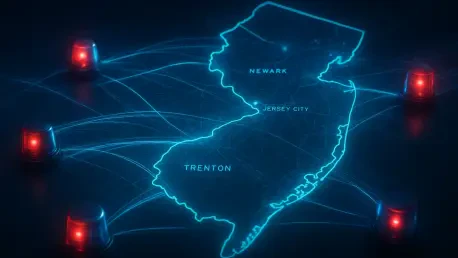

The Collision: Consumer Rights and Digital Surveillance The digital economy has long operated on a silent pact where users receive free services in exchange for their personal data, but this unspoken agreement is currently being dismantled. Legal experts suggest that the era of unchecked digital

The National Commission's final report introduces a staged authorization model that allows AI to be deployed in limited, controlled settings while real-world safety evidence is gathered. This significant transformation comes as a direct response to the increasing friction between the rapid pace of

The U.S. military currently faces significant strategic liabilities due to legacy spectrum authorization processes that can take up to 180 days to complete. In an era where electronic warfare and rapid communication are the linchpins of tactical superiority, such bureaucratic inertia is no longer

The Landscape of Publicly Funded Innovation and National Progress The persistent dominance of American technological infrastructure relies less on the whims of venture capital and more on the patient, high-risk capital provided by the federal government over many decades. While private markets

The rapid maturation of autonomous digital employees within the Defense Logistics Agency represents a decisive departure from the static automation of the past and a move toward a more resilient, cognitive supply chain. Unlike previous iterations of software assistance, agentic systems are defined
Introduction The digital transformation of state services reached a significant milestone in 2026 as Maryland launched its free online income tax filing system to alleviate the financial strain on individual filers. By offering a direct and cost-free method for citizens to fulfill their fiscal