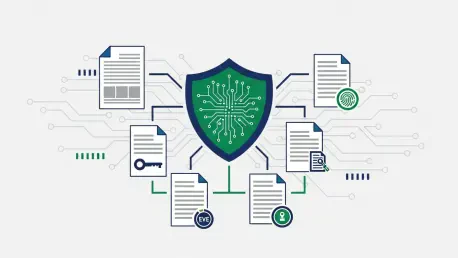

The transition from paper-based archives to high-velocity cloud environments has left many governmental frameworks struggling to maintain pace with the complexities of modern cyber threats. With the signing of Executive Order No. 119 in July 2026, the Philippines has officially dismantled its reliance on outdated protocols from 1964, signaling a profound shift toward a digital-first governance model. This directive is not merely a technical update; it represents a comprehensive overhaul of how the state perceives its digital borders and its responsibility to protect national information assets. By aligning domestic standards with international cybersecurity benchmarks, the government is addressing the vulnerabilities inherent in a fragmented bureaucratic system. This move establishes a foundation for a more resilient digital economy while ensuring that the public trust in state institutions is reinforced through transparent and secure data practices. As agencies move away from physical records, digital assets are now treated as vital national resources requiring sophisticated handling and protection.
Redefining Digital Boundaries: Scope and Classification
Private Sector Integration: Expanding the Oversight Net
This expansive policy casts a wide net that captures not only national agencies and state universities but also government-owned corporations that handle public data. Crucially, the mandate extends to private companies working with the government through cloud service agreements or public-private partnerships, closing a significant loophole in the national security posture. These third-party contractors are now legally obligated to adhere to the same rigorous security protocols as public institutions, ensuring that sensitive information remains protected by strict contractual safeguards. By bringing private entities into the regulatory fold, the order ensures that the physical infrastructure used to store data, regardless of ownership, meets a unified security standard. This approach prevents the fragmentation of security measures that often occurs when private vendors are left to their own devices. It creates a seamless protective envelope around government information, effectively mitigating the risks of data breaches during outsourcing.
Agencies must now conduct thorough due diligence to verify that their service providers comply with the newly established data protection requirements before any contracts are finalized. This ensures that the government does not inadvertently outsource its security vulnerabilities along with its storage needs, maintaining a high level of integrity for all citizen data. Furthermore, the order empowers regulatory bodies to conduct periodic audits of these private partners to confirm ongoing compliance with the national digital governance framework. Such oversight is vital for maintaining a consistent security posture in an era where cyber threats are constantly evolving and targeting the weakest links in the supply chain. By enforcing these standards, the Philippines is setting a precedent for how governments can manage the risks associated with rapid digital transformation while leveraging the efficiency of the private sector. This transition requires a cultural shift within bureaucratic departments, forcing a more collaborative relationship with technology partners.
Classification Standards: Implementing the Tiered Hierarchy
To streamline administration and reduce delays, the new framework introduces a standardized four-tier classification system for restricted data, ranging from Top Secret to Restricted. This structure defines clear thresholds for what constitutes a threat to national security, the economy, or administrative integrity, helping to prevent the common bureaucratic issue of overclassification. By categorizing information based on its potential impact, the government can better allocate resources to protect high-stakes data while maintaining public access to general official matters. This precision in data handling ensures that security measures are proportionate to the risk, avoiding unnecessary restrictions that could stifle transparency. It allows for a more agile response to data requests and internal information sharing, as every department now operates under the same definitions of sensitivity. The clarity provided by these tiers empowers officials to make informed decisions about data sharing without the fear of compromising national safety.
The implementation of this hierarchy also facilitates a more efficient risk management process, as agencies can now prioritize the fortification of their most critical assets. By focusing on the highest tiers of data, the government can implement advanced encryption and multi-factor authentication where it is most needed, optimizing the use of limited cybersecurity budgets. This stratified approach also simplifies the auditing process, as oversight committees can easily identify whether a specific dataset is being handled according to its assigned level of sensitivity. Moreover, the tiered system encourages a more disciplined approach to data lifecycle management, ensuring that information is regularly reviewed and reclassified as its relevance and sensitivity change over time. This dynamic classification model is essential for a modern government that must balance the competing demands of national security and the public’s right to information. It establishes a robust foundation for all future digital initiatives, ensuring that data is protected from its creation until its eventual disposal.
Sovereignty and Accountability: The New Governance Model
Centralized Oversight: The Role of the National Data Registry
The Department of Information and Communications Technology now facilitates the National Data Registry to ensure that all classification decisions and risk assessments are recorded in a centralized, transparent manner. This platform eliminates the inconsistencies often found in agency-specific policies by providing a unified audit trail for every piece of government-managed data across the country. By asserting digital sovereignty, the order requires that highly sensitive information, such as intelligence or state secrets, be stored exclusively within Philippine territory or sovereign jurisdictions. While lower-priority data can take advantage of international cloud services for efficiency, the residency rules ensure that all government information remains subject to domestic law regardless of its physical location. This centralized oversight framework prevents data silos and ensures that the state maintains full control over its digital assets. The registry acts as a single source of truth, allowing for real-time monitoring of compliance and security vulnerabilities that could compromise the nation’s integrity.
Establishing a unified platform for data management also fosters greater inter-agency cooperation, as departments can now reference a shared repository for classification standards and best practices. This collaborative environment is essential for tackling complex cybersecurity challenges that transcend individual agency boundaries, such as large-scale phishing campaigns or state-sponsored data exfiltration. The registry’s existence ensures that there is a clear record of who accessed sensitive data and for what purpose, creating a level of accountability that was previously difficult to achieve in a fragmented system. Furthermore, the centralized nature of this oversight allows for the rapid deployment of security patches and policy updates across the entire government infrastructure, significantly reducing the window of opportunity for attackers. By prioritizing digital residency for critical data, the Philippines has taken a decisive step in protecting its national interests against foreign interference. This strategic focus on sovereignty ensures that the nation’s most valuable information remains under its direct control, even as it embraces global cloud technology.
Implementation Milestones: Ensuring Long-Term Compliance
The administration recognized that establishing these digital protocols was only the first step in a much larger journey toward total technological sovereignty and efficiency. By implementing the tiered classification system, the government successfully prioritized resources for the most sensitive datasets while maintaining transparency for general public records throughout the year. Moving forward, the focus shifted to the rigorous enforcement of data residency laws and the continuous training of civil servants to adapt to these high-security environments. Future considerations must include the integration of emerging artificial intelligence tools to automate data categorization and threat detection within the National Data Registry. To sustain this progress, agencies were encouraged to establish internal digital compliance units that report directly to the Joint Oversight Committee. This proactive stance ensured that the Philippines remained resilient against global cyber threats while fostering a culture of accountability that defined the modern era of governance. Policymakers and technologists worked in tandem to ensure that the digital foundation remained adaptable.
Realizing the full potential of this modernization required a structured, three-year implementation plan that held every department head accountable for meeting specific security benchmarks. The roadmap began with comprehensive data inventories and moved toward full compliance for the most sensitive datasets by the end of the second year, ensuring a gradual but steady transition. To ensure the policy was taken seriously, the executive branch introduced administrative penalties for officials who failed to meet these milestones, transforming the directive into a mandatory standard. These enforcement mechanisms were crucial for overcoming institutional inertia and ensuring that the shift toward digital governance was not merely a theoretical exercise. As the final phase of the rollout approached, the focus turned toward the long-term sustainability of the National Data Registry and the continuous evolution of classification standards in response to new technological threats. By embedding these practices into the core of government operations, the Philippines solidified its position as a regional leader in digital governance and data protection. This commitment to reform provided a secure environment for future innovation.