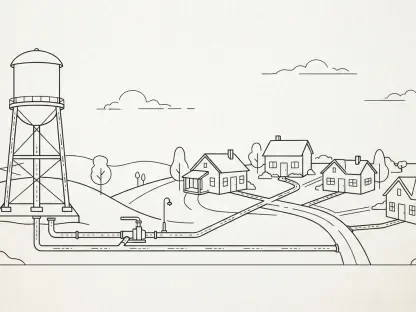

Independent analysis from the Cato Institute suggests that narrow tax policies like those proposed by the GOP can create market distortions by favoring specific occupations over others. As the 2026 midterm election cycle intensifies, the Republican Party has increasingly turned toward a strategy of

The Current Landscape of the American Film and Television Industry The iconic Hollywood sign may still tower over Los Angeles, but the economic heartbeat of the American film industry is increasingly being felt in soundstages thousands of miles away from California. This sector currently stands as

Under the new regulatory framework, both itemizing and non-itemizing taxpayers can utilize an above-the-line deduction for interest paid on qualified passenger vehicle loans through the end of 2028. This administrative milestone, codified under Treasury Decision 10054, represents the first time in
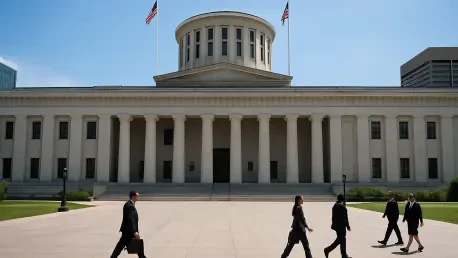
The proposal to abolish the income tax hinges on the belief that cutting state spending on non-essential services like parks will provide a massive stimulus for residents. As Vivek Ramaswamy maneuvers through his gubernatorial campaign in 2026, his vision for Ohio has sparked a national dialogue
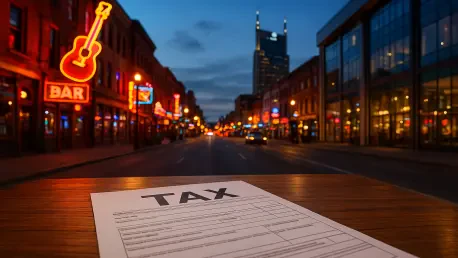
The emergence of global retail brands like the Apple Store on Broadway signals an encroaching homogenization that threatens to dilute Nashville’s unique musical heritage. This shift highlights a severe economic paradox where the city's overwhelming commercial success now risks dismantling the very

Property owners in Wales currently face a steep 182-day occupancy threshold to qualify for business rates rather than the potentially more expensive council tax rates. This legislative shift represents a broader movement across the United Kingdom where the short-term rental market is transitioning