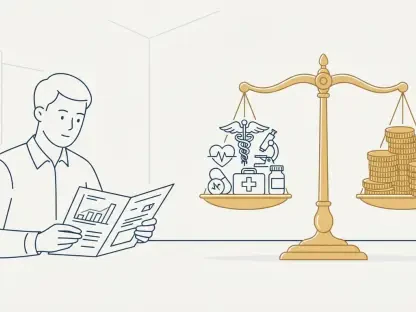

Finance Minister Koo Yun-cheol’s assertion that a home is a place to live rather than a financial asset stands in direct conflict with a welfare system that penalizes home ownership. For many elderly residents in South Korea, the family home is not a speculative investment but a repository of

The elimination of over one thousand state government positions marks a significant shift in North Carolina's approach to administrative efficiency and the delivery of essential social services. Signed into law in the middle of 2026, Senate Bill 257 represents a complex compromise that pairs

The introduction of H.R. 9721 would codify the discretion and control test for fiscal sponsorships, imposing excise taxes on managers who fail to maintain absolute authority over donated funds. This legislative movement, introduced in July 2026, marks a transformative moment for the American

To help professionals navigate the transition, the "Kar Setu" resource provides a detailed explanation of how the new 2025 law interacts with the long-standing provisions of the 1961 Act. The fundamental transformation of a national fiscal identity often requires more than just minor policy tweaks;

Interest payments on the national debt have climbed to over $931 billion, nearly matching the combined spending for veterans' benefits and income security. This staggering figure illustrates the growing strain on the federal budget as the gap between revenue and expenditures continues to widen.

County administrators across Florida are currently evaluating their ability to maintain public safety and basic services in the face of a projected twelve-billion-dollar revenue contraction over the next biennium. This proposed constitutional amendment, once a cornerstone of the state’s legislative