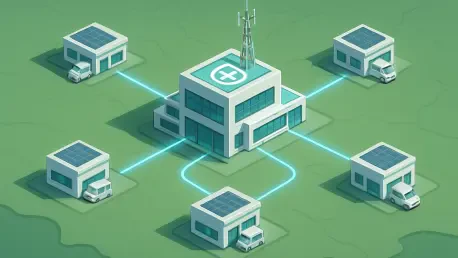

The recent allocation of federal funds from the Centers for Medicare and Medicaid Services is designed to provide long-term sustainability for Alabama’s struggling rural hospitals. Governor Kay Ivey has signaled a new era for public health by directing $144 million toward the Alabama Rural Health Transformation Program. This initiative aims to modernize a healthcare landscape that has been hampered for years by resource scarcity and outdated infrastructure. By focusing on 138 projects, the state is making a strategic move to ensure that rural residents receive the same quality of medical care as those in urban centers. This represents a shift from temporary financial aid toward a resilient, integrated medical framework. Rooted in the “One Big Beautiful Bill Act,” the program uses over $200 million in federal resources to stabilize providers and prevent spending cuts. This scale of investment reflects a deep commitment to infrastructure that has remained underfunded for too long.
Strengthening the Digital and Physical Infrastructure
Modernizing Data Systems: Security and Connectivity
A significant portion of the current funding, exceeding $32 million, is dedicated to upgrading electronic health records and cybersecurity across 55 counties. These investments are crucial because small rural clinics often lack the sophisticated data protection and interoperability found in metropolitan hospitals. A grant to Auburn University will facilitate this digital transition, helping local providers implement modern IT infrastructure that protects patient information while allowing for efficient data sharing. By fostering a shared digital network, Alabama is ensuring that vital health records can move securely between different doctors and facilities, which is essential for coordinating care. This modernization reduces the risk of medical errors caused by incomplete histories and creates a more efficient administrative environment for staff previously burdened by manual record-keeping. These technological upgrades are a vital safeguard against modern threats to medical security.
Modernizing these data systems also provides a foundation for advanced diagnostic tools that require high-speed connectivity and secure storage. When rural clinics are linked to a statewide digital framework, they can participate in larger health initiatives and population health management programs once out of reach. This regional connectivity is about creating a seamless care coordination framework that treats the state as a single, unified system. The high volume of applications for these IT grants underscores the urgent demand for structural improvements among rural providers who recognize that digital maturity is essential. These upgrades make rural practices more attractive to younger medical professionals who expect modern tools. As facilities move away from antiquated systems, they gain the ability to offer a higher standard of care. By creating this unified digital language, the state ensures that a patient’s medical history follows them efficiently to any regional specialist.
Establishing Regional Hubs: The Hub-and-Spoke Model
The largest segment of this funding round, totaling more than $59 million, focuses on the creation of regional health hubs and virtual networks. Projects such as the East Alabama Health Care Authority’s “Regional Shared Services Hub” are designed to bridge the gap for residents living far from specialty centers. These hubs serve as central points where clinical and administrative resources can be shared among multiple smaller facilities, reducing the financial burden on individual clinics. By centralizing services like laboratory testing and billing, the state creates a more sustainable economic model for rural medicine. This hub-and-spoke architecture ensures that even the smallest community clinic has the backing of a larger, well-resourced institution. This collaborative approach allows providers to focus more on direct patient interaction while benefiting from the logistical efficiencies and specialized expertise that a centralized hub provides for the entire region.
In tandem with these physical hubs, Auburn University’s virtual clinic network is expanding the use of remote health monitoring to manage chronic conditions in isolated areas. These innovative models utilize virtual visits to provide specialist access, bringing high-level medical expertise directly into the homes of those who cannot easily travel. Remote monitoring technology allows doctors to keep a constant watch on patients with heart disease or diabetes, intervening before a condition worsens into an emergency. This proactive strategy is essential for reducing high rates of hospitalization seen in rural populations with limited access to primary care. By integrating these virtual services into the broader healthcare framework, Alabama is creating a more flexible system that adapts to the needs of the patient. This digital integration is a key component of the state’s strategy to leverage technology for social equity, ensuring that geography no longer dictates the quality of care.
Cultivating the Medical Workforce and Specialized Services
Addressing Personnel Shortages: Training and Behavioral Care
Recognizing that modern facilities require skilled professionals, Alabama has allocated over $35 million to workforce development. This initiative supports 25 projects across 65 counties, including the establishment of a family medicine residency program at Cullman Regional Medical Center with an emphasis on obstetrics. By training doctors in a rural setting, the state increases the likelihood that these practitioners will remain in these communities. This is a critical step in addressing the vanishing maternity care in regions where labor and delivery units have historically been closed due to staffing shortages. Recruitment of cardiac specialists is also a major priority, given the high prevalence of heart disease in rural areas. These investments in human capital ensure that the new equipment and facilities funded by the grants will be operated by experts committed to the community. Such localized training programs are the only way to build a sustainable medical workforce.
The workforce expansion also includes specialized training for support staff and nurses, who form the backbone of the rural medical system. By providing localized training opportunities, the program helps create a sustainable pipeline of talent that is less likely to migrate to urban centers. This focus on personnel is about ensuring that care is culturally competent and tailored to the specific needs of rural Alabamians. Educational partnerships with state universities are being used to create curricula that prepare students for the unique challenges of rural practice, such as managing complex cases with limited resources. These efforts are designed to stabilize the healthcare workforce for the next decade, providing a sense of security for providers and patients. This human-centric approach complements the technological upgrades, creating a balanced strategy that addresses every facet of the delivery crisis, ensuring that professional expertise matches infrastructure growth.
Enhancing Community Wellness: Specialized Clinical Initiatives
Specialized clinical care is a major priority, with approximately $15.5 million split between primary practice and mental health initiatives. Funds are being used to establish integrated behavioral health access points and to help clinics achieve status as Certified Community Behavioral Health Clinics. This status allows providers to offer a wider range of psychiatric services and receive the necessary reimbursement to keep those services viable. A standout effort is the Alabama School Mental Health Network, which employs a telehealth model to provide rural students with immediate support during behavioral crises. By integrating vital mental health resources directly into the school system, the state is addressing issues early and reducing the burden on emergency departments. This holistic approach recognizes that mental wellness is inseparable from physical health and that early intervention is the most effective way to improve long-term outcomes for the youth of the state.
The rollout of the Alabama Rural Health Transformation Program achieved a significant level of political synthesis, garnering strong support from leaders who viewed rural health as a non-partisan priority. U.S. Senator Katie Britt and Representative Gary Palmer lauded the program for its focus on long-term sustainability and the hub-and-spoke model. This unified approach signaled a fundamental shift in state strategy, prioritizing a total-system overhaul that leveraged digital integration and training. To maintain this momentum, policymakers should focus on ensuring permanent funding for the high-speed broadband necessary for virtual clinics. Additionally, healthcare administrators must prioritize the integration of these new behavioral health resources into standard workflows. By building on these initial investments, the state moved closer to a future where medical outcomes were determined by the quality of care rather than a zip code. Alabama successfully created a pathway for others to follow.