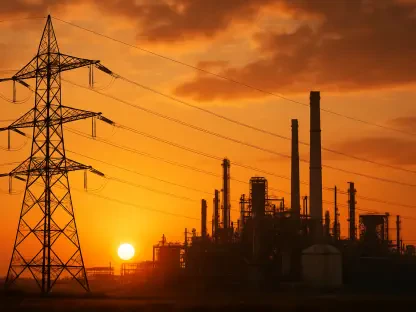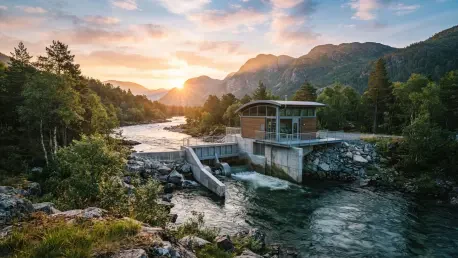

Balancing hydropower generation with other vital water needs is essential for long-term environmental sustainability, according to specialists at the National Water Resources Institute. This perspective underscores a growing consensus among energy experts who recently gathered in Kaduna to discuss the future of Nigeria’s power sector. During the 2026 International Hydropower Day, the Centre for Water and Environment Development (CWED) emphasized that the federal and state governments must pivot toward small-scale hydropower solutions. Currently, the nation’s energy landscape is marred by frequent outages and an over-reliance on thermal generation, which leaves many regions in the dark. By focusing on decentralized water-based energy, Nigeria can move beyond its current limitations and provide a more stable foundation for economic activity. This shift is not merely about increasing wattage but about creating an inclusive system that serves everyone from urban centers to remote villages.
Regional Strategy: Decentralizing Energy and Unlocking Potential
Transitioning from a central grid dependency to a localized, mini-hydropower model offers a practical solution for the millions of Nigerians living in underserved communities. Musa Nimrod, the Project Director for CWED, noted that traditional energy frameworks frequently fail to reach the last mile due to the high costs and logistical complexities of expanding transmission lines. In contrast, small-scale hydropower plants can be constructed near existing waterways to provide immediate, reliable electricity to rural areas. This decentralized approach reduces the pressure on the national grid while empowering local economies through consistent power supply. By moving away from a monolithic thermal generation strategy, the government can address the energy poverty that currently hinders rural development. These localized stations serve as a bridge, ensuring that geographic location no longer determines access to modern energy services and economic opportunity.
Data provided by the Nigerian Hydropower Association reveals a stark reality: despite having an estimated hydroelectric potential of over 14,120 megawatts, approximately 85 percent of this capacity remains completely unutilized. This massive gap represents a significant missed opportunity for industrial growth and national security. Imo Ekpo, the association’s president, argued that activating these resources is no longer an optional luxury but a national necessity. The current underutilization of Nigeria’s vast waterways stems from a combination of inadequate funding and a lack of technical oversight. Realizing this vision requires a comprehensive strategy that involves legislative reform and the active participation of the private sector. The government cannot bridge the current funding gap alone, making it essential to create an environment that attracts both domestic and foreign investors through transparent regulatory policies and clear financial incentives.
Future Implementation: Technical Innovation and Systemic Reform
Modernizing the hydropower sector involves the integration of cutting-edge technologies, such as artificial intelligence and advanced digital modeling, to maximize operational efficiency. Dr. A.S. Abdulrasheed from Ahmadu Bello University pointed out that these tools are essential for managing the complexities of modern water systems. By utilizing predictive analytics, plant operators can better anticipate changes in water flow and adjust generation levels accordingly. This technological evolution is particularly critical as Nigeria faces the escalating challenges of climate change, which manifest as erratic rainfall patterns and increased sedimentation in reservoirs. Advanced modeling allows engineers to design dams that are more resilient to extreme weather events, including both prolonged droughts and sudden floods. Integrating AI into the energy value chain ensures that every drop of water is used as efficiently as possible, reducing waste and enhancing the overall stability of the power supply.
The successful revitalization of the hydropower sector concluded with a strategic emphasis on balancing energy needs with environmental stewardship and social equity. Stakeholders established that the path forward required a departure from outdated thermal models in favor of a climate-resilient, hybrid energy system. By addressing the 85 percent of untapped potential through targeted policy reforms and private investment, the government laid the groundwork for sustainable growth. Actionable steps identified during the event included the immediate modernization of legacy infrastructure and the deployment of decentralized mini-grids in the Niger Delta and Northern river basins. These solutions introduced a framework where local communities managed their own power resources, reducing dependence on the national grid. Ultimately, the collaborative efforts between the public and private sectors transformed Nigeria’s water resources into a cornerstone of national prosperity, ensuring that clean energy became a reality.