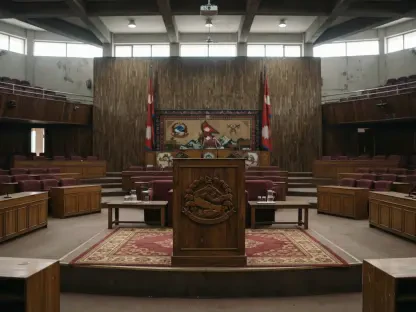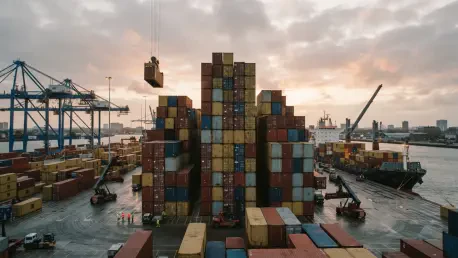

The path to reclaiming trade authority is hindered by the reality that Democrats currently lack the 60 votes required to overcome a filibuster in the Senate chamber. Despite a decisive victory in the recent elections, the newly formed majority finds itself in a precarious position where legislative ambition meets the rigid walls of executive privilege. The current administration has spent years consolidating trade power under various national security statutes, creating a precedent that is difficult to unwind even with control of the House and Senate. While the sweep signals a public mandate for a change in economic direction, the constitutional mechanics favor the incumbent president’s ability to maintain a protectionist agenda. This creates a dynamic where the legislative branch must innovate its approach to oversight, moving beyond traditional lawmaking to influence global trade. The stakes are immense, as the global supply chain remains tethered to decisions made by the presidency.
Navigating the Obstacles to Legislative Action
The Reality of the Presidential Veto Wall
Experts in constitutional and trade law emphasize that while the Democratic victory provides a significant platform for public scrutiny, it does not fundamentally strip the executive branch of its trade-making capabilities. The primary hurdle for the incoming Democratic majority is the “veto wall,” a structural barrier that is nearly impossible to breach in the current polarized environment. To unilaterally overturn a presidential tariff or rescind specific trade authorities, Congress would need to pass legislation that can withstand a presidential veto. This requires a two-thirds supermajority in both chambers, which translates to 290 votes in the House and 67 in the Senate. Even with a projected House majority that could reach more than 258 seats, the math remains daunting. In the Senate, despite holding a majority, Democrats would still fall short of the votes required to overcome a filibuster. Consequently, trade advisers are cautioning against expecting drastic reversals.
Strategic Oversight and Budgetary Controls
Barred from immediate legislative reversals, Democrats are expected to pivot toward aggressive oversight and the strategic use of the “power of the purse” to influence the executive agenda. By controlling government agency funding, the party can seek concessions from the administration on various trade-related issues, such as the transparency of the tariff exclusion process. The real theater of conflict will be the trade committees, most notably the House Ways and Means Committee, which is expected to be chaired by Representative Richard Neal. This committee has the authority to request detailed records on how trade decisions are made and can force administration officials to testify under oath. By utilizing these tools, lawmakers can slow the implementation of new trade barriers or expose inconsistencies in existing policies. This approach shifts the battlefield from the legislative floor to the investigative hearing room, where the administration must defend its economic choices.
Investigating the Consequences of Trade Barriers
Highlighting Economic Harm and Corporate Favoritism
Lawmakers plan to host a series of high-profile hearings featuring small business owners who have been disproportionately harmed by rising import costs, providing a human face to what they describe as a needless trade war. The objective is to highlight the direct link between tariffs and the rising costs of essential goods, such as groceries and gasoline, which have become central concerns for the American public. There will also be a concerted effort to investigate the process of tariff exemptions, specifically looking into whether large, politically connected corporations have received preferential treatment at the expense of smaller competitors. Democrats are also eyeing the repeal of obscure laws, such as Section 338 of the Tariff Act of 1930, which the current administration has utilized to impose punitive duties on key allies. By framing the debate around fairness and consumer costs, the majority hopes to build a public mandate for reform that the executive cannot ignore.
Balancing Protectionist Roots With Future Agendas
A nuanced point in this political struggle is the recognition that the Democratic Party is not monolithically anti-tariff, as many members have historically supported protectionist measures to safeguard domestic industries and labor unions. This was evidenced by the decision to maintain several key tariffs while adding significant duties on strategic goods like electric vehicles and semiconductors. This overlap suggests that while Democrats may criticize the methodology and breadth of current tariffs, they may not seek a return to the free-trade neoliberalism of previous decades. Conversely, the President remains undeterred by the election results, viewing tariffs as a primary tool for extracting concessions from international partners. The administration is likely to push forward with new Section 301 investigations into unfair trade practices in nations such as India and Vietnam. This indicates a potential escalation of trade tensions regardless of the shifting legislative climate.
Strategic Considerations for the Global Trade Environment
The legislative sweep established a Washington environment caught in a strategic stalemate where political theater often overshadowed actual policy shifts. While the Democratic Party gained the authority to dominate the national conversation on trade and expose administrative flaws, the legal architecture of American trade policy ensured the President remained the ultimate arbiter of tariff levels. International partners, particularly those in the North American trade bloc, adopted a “wait-and-see” approach, maintaining their negotiation stances while the domestic power struggle in the United States unfolded. Moving forward, the effectiveness of the new majority will depend on their ability to transition from public criticism to tangible legislative leverage during budget negotiations. Stakeholders should anticipate a period of high-intensity legal maneuvering, where the framing of trade as an “inflationary tax” serves as the primary tool for those seeking to restrain executive power.