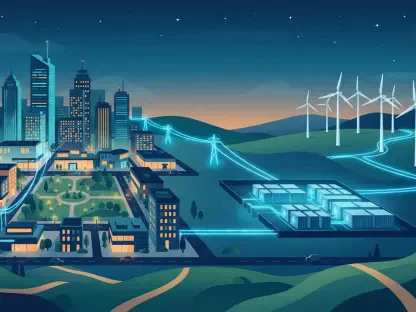
Utility giants Oncor, AEP Texas, and CPS Energy are spearheading a grid modernization plan designed to deliver high-capacity power to the booming Permian Basin. This massive infrastructure undertaking, overseen by the Public Utility Commission of Texas, involves the construction of nearly 800 miles of new transmission lines stretching across approximately 40 different counties. As the state grapples with an unprecedented surge in energy demand, this project has become a flashpoint for a larger national conversation regarding the tension between industrial expansion and the sanctity of private land ownership. While the primary goal is to provide a reliable electricity supply to the oil and gas sectors, the sheer scale of the buildout has sparked a fierce debate that pits economic progress against the fundamental rights of individual citizens. This situation represents one of the most significant energy policy challenges in recent memory, forcing state regulators to navigate a complex landscape of legal requirements and public sentiment.
The Industrial Vision: Building for the Future
The core of the current proposal rests on the introduction of three 765-kilovolt transmission lines, which are specifically engineered to handle the intense electrical loads required by modern industrial operations. These high-voltage systems represent a departure from traditional infrastructure, aiming to rectify a decade-long stagnation in grid development that has left many parts of the state vulnerable to supply constraints. ERCOT has projected that these major segments will be operational from 2026 to 2030, a timeline that reflects the urgency of the state’s energy requirements. By increasing the capacity of the grid, proponents argue that Texas can effectively integrate more diverse power sources while maintaining a stable voltage for heavy machinery and mining activities. This technical shift is viewed as a prerequisite for the continued dominance of the state’s energy industry, which remains a cornerstone of the regional economy and a vital part of the broader national energy security strategy.
Business advocates and energy trade organizations contend that failing to complete these transmission projects would lead to catastrophic energy shortages that could cripple future growth. As the population of Texas continues to rise at a rapid pace, the existing infrastructure is being pushed to its absolute physical limits, creating a situation where temporary power outages could become a common occurrence. Industry leaders believe that by committing to this massive capital investment, the state is signaling to potential investors that it has a long-term plan for energy security. This perceived stability is essential for encouraging the construction of new natural gas plants and renewable installations, which require a robust grid connection to be commercially viable. Therefore, the buildout is not merely about stringing wires across the countryside; it is about building the foundation for a sustainable economic environment that can support both traditional and emerging industries while providing the reliable power necessary for modern life.
Legal Hurdles: Balancing Reliability and Consumer Costs
Despite the strategic importance of the grid expansion, the project has encountered a significant roadblock in the form of regulatory scrutiny from the Public Utility Commission. Chairman Thomas Gleeson recently took the step of recommending that several key proposals be sent back to the State Office of Administrative Hearings for further review. This decision was largely driven by concerns regarding the lack of clarity in the existing plans, particularly concerning their compliance with stringent federal reliability standards. Furthermore, the administrative record was criticized for failing to provide comprehensive data on how these expensive projects would translate into actual cost savings for the average consumer. Regulators are increasingly wary of approving billion-dollar expenditures without a clear demonstration of public benefit, reflecting a shift toward more cautious and evidence-based decision-making in the face of rising utility rates and growing public skepticism regarding the financial transparency of the state’s largest energy providers.
Parallel to the regulatory delays is a mounting wave of resistance from hundreds of private landowners who feel their voices have been systematically ignored during the planning phases. Many of these individuals have filed formal legal challenges, alleging that the transmission companies failed to provide adequate advance notice before selecting routes that bisect their properties. A major point of contention is the 180-day window currently mandated for the commission to process these complex applications, which critics argue is insufficient for citizens to mount a proper legal defense or propose alternative routes. Beyond the procedural complaints, there is a deep-seated fear that the massive steel towers and humming wires will permanently alter the aesthetic and ecological value of the Texas landscape. For these residents, the issue is not just about the loss of property value; it is about the preservation of a heritage that they feel is being sacrificed for industrial convenience without a truly fair and public vetting process.
Sustainable Solutions: Integrating Rights Into Progress
The growing friction between utility companies and rural communities has caught the attention of high-ranking officials in the Texas Legislature, leading to a significant political backlash. Lieutenant Governor Dan Patrick and State Senator Charles Schwertner have emerged as vocal proponents of a more balanced approach, questioning the speed at which these massive projects are being pushed through the approval process. While the legislature has historically supported measures to enhance the state’s energy independence, there is a burgeoning sentiment that this should not come at the cost of eroding private property rights. Lawmakers are now considering new regulations that would require more transparent communication between utilities and the public, as well as more rigorous oversight of the eminent domain process. This shift in tone suggests that the political landscape is no longer purely focused on expansion, but also on ensuring that the rights of individual Texans are respected during the modernization of the state’s power infrastructure.
The resolution of the Texas transmission debate ultimately required a fundamental shift toward integrating community engagement with technical planning to ensure long-term stability. Stakeholders recognized that grid modernization could not be successfully achieved through a top-down approach alone; instead, it necessitated a model that prioritized transparency and the exploration of alternative routing options. Moving forward, the implementation of more robust notification systems and the use of existing right-of-way corridors helped mitigate the impact on untouched private lands. This strategy allowed for the necessary expansion of electrical capacity while significantly reducing the number of legal disputes and public protests. The state eventually adopted a framework that valued the input of landowners as much as the data provided by energy engineers, fostering a collaborative environment for infrastructure growth. By embracing these inclusive practices, Texas established a blueprint for balancing industrial needs with civil liberties.