
A massive surge in semiconductor exports, which skyrocketed by 111.1% over ten months, serves as the primary engine for China’s record-breaking financial performance. This momentum pushed the nation’s trade surplus past the $1.04 trillion mark during the first ten months of the current year, achieving this historic milestone a full month earlier than the previous cycle. As the global landscape shifts toward a digital-first economy, the reliance on advanced electronic architecture has placed Chinese manufacturing at the heart of an international procurement frenzy. While previous years focused on consumer electronics and general assembly, the current trend emphasizes specialized hardware required for massive computational tasks. This shift highlights a deeper structural transformation where high-tech components now dictate the tempo of national economic growth. Despite internal challenges, external demand for sophisticated hardware continues to buffer the broader financial ecosystem against domestic volatility and the persistent downturn in the traditional property market.
Global Infrastructure: The Shift Toward Artificial Intelligence Hardware
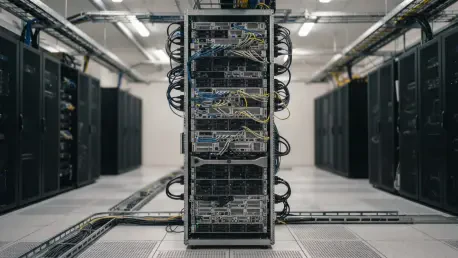
The rapid expansion of artificial intelligence infrastructure has created an unprecedented demand for high-performance computing components, which Chinese factories are increasingly equipped to supply. International tech giants and burgeoning startups alike are funneling billions into the development of hyperscale data centers, requiring a constant stream of semiconductors, cooling systems, and specialized circuitry. This surge in procurement is not merely a temporary trend but a fundamental realignment of global supply chains that prioritize immediate access to scalable hardware. While geopolitical tensions occasionally complicate logistics, the sheer volume of orders suggests that the necessity of AI development often outweighs regional policy concerns. Consequently, the export of these critical components has become the cornerstone of a trade strategy that compensates for weaker performance in other traditional sectors. The manufacturing sector has pivoted with remarkable speed, ensuring that high-yield tech products remain the primary contributors to the surplus.
Automotive Expansion: Exporting Innovation Amid Domestic Cooling
Simultaneously, the automotive landscape within the country has undergone a significant pivot toward international markets to offset a sluggish domestic environment. With twelve consecutive months of declining local sales, major vehicle manufacturers have aggressively expanded their footprint in Europe, Southeast Asia, and South America. This outward push is characterized by a focus on electric vehicles and smart-car technology, which integrate seamlessly with the broader AI-driven tech ecosystem. By leveraging advanced logistics networks and competitive pricing strategies, these firms have successfully captured substantial market shares abroad, further widening the trade gap. This aggressive export strategy serves as a pressure valve for an industry facing overcapacity and cooling consumer interest at home. The ability to redirect high-value industrial output toward global buyers has effectively shielded the manufacturing core from the cooling effects of the domestic economy, proving that external demand remains the most reliable path for growth in the current fiscal year.
Economic Resilience: Navigating Geopolitical Friction and Future Growth
The unprecedented trade figures recorded throughout the first ten months of the year demonstrated a resilience built on technological necessity rather than broad economic health. Industry experts observed that while the appetite for artificial intelligence hardware remained voracious, companies began preparing for a potential stabilization of growth rates as early as the first quarter of 2027. To navigate the upcoming landscape, global stakeholders focused on diversifying supply chains and addressing the persistent friction regarding technological access and tariffs. Decision-makers in Beijing worked to extend temporary trade agreements with Washington to maintain market stability, though fundamental disagreements regarding industrial subsidies remained unresolved. The reliance on high-tech exports provided a temporary reprieve from domestic headwinds, yet it also highlighted a growing vulnerability to international protectionism. Future strategies prioritized the integration of localized manufacturing hubs to mitigate these risks while continuing to lead the global AI infrastructure race.